From left: Sibel Yıldız, Regional General Manager, Philips Personal Health META; Reshma Bhatia, Head of Marketing, Personal Health, Middle East, Africa, Pakistan and Head of Sales, Saudi Arabia.
Personal care has evolved from being driven by aesthetics into something broader and arguably more demanding: everyday health.
Instead of focusing on the aisles where products sit, marketers must pay attention into the routines people build around them, demanding a redirection in marketing approaches driven by a more assertive customer. Personal care is a category that consumers now engage with proactively. Instead of waiting to fall sick to engage with their health, consumers are incrementally building routines that involve daily decisions which add more than functional benefits to their lives.
In conversation with Campaign Middle East, leadership at Philips Healthcare discuss how marketing and product development should align with this shift – responding to the consumer demand for holistic, long-term solutions with real examples and actionable strategy.
Product development must align with shifting consumer expectations
“Personal care is no longer viewed solely as an aesthetic need,” says Sibel Yıldız, Regional General Manager, Philips Personal Health META. “It is now recognised as a holistic experience closely linked to health, comfort, and overall quality of life.”
The implication is clear that looking good is no longer the endgame, feeling well is. Consumers are seeking personalised solutions, time-saving technologies, and long-term value. “This shift is reshaping how brands approach product development,” says Yıldız.
For Philips, this translates into a focus on ‘simplifying and supporting’ people’s daily health routines across categories ranging from female and male grooming to oral healthcare, mother and childcare products.
By continuously monitoring consumer behaviour through ongoing research and digital platform analytics, the brand is able to develop products that align with changing consumer expectations. This approach is no longer “merely a competitive advantage,” Yıldız says. “It is essential to maintaining meaningful relevance in consumers’ lives.”
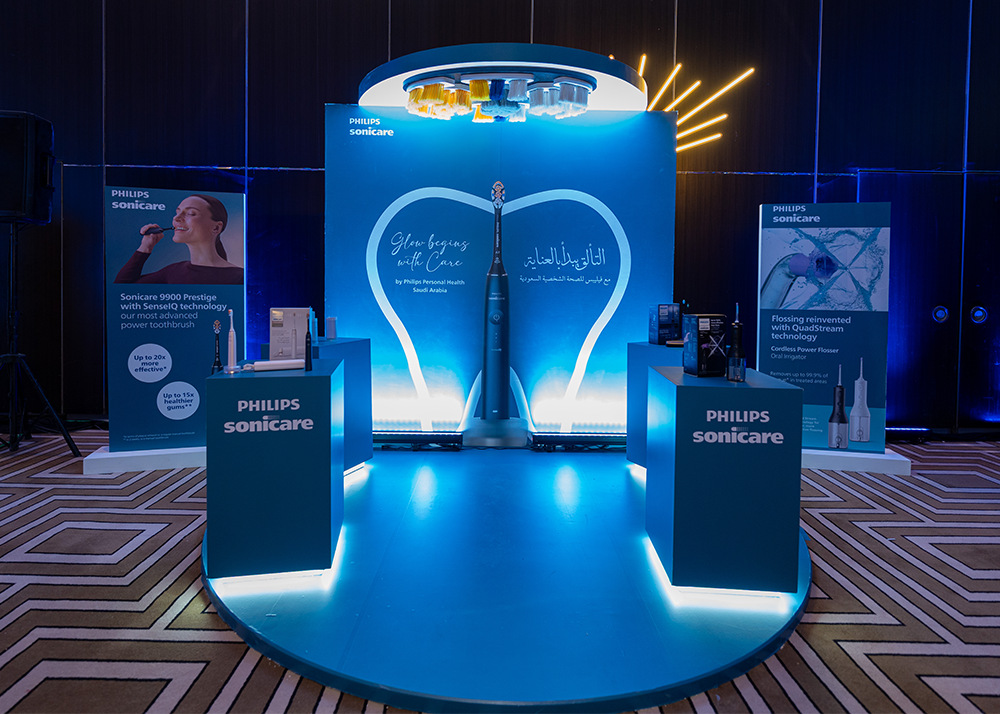
Converting consumer trends into innovation
That sense of necessity is echoed in how the company reads the market. Data is abundant, but insight is harder won. For Reshma Bhatia, Head of Marketing – Personal Health, Middle East, Africa, Pakistan and Head of Sales, Saudi Arabia, the process is continuous rather than episodic.
“We do not limit our understanding of consumer trends to research outputs alone,” she says. “We view it as a continuous learning cycle.”
Philips combines global consumer research, category analyses, and market data with real-time insights gathered from e-commerce platforms, social media engagement, and direct user feedback to understand what consumers purchase, but why they make those choices and how their expectations evolve over time. The brand also measures global insights against local sentiment to adapt global strategies to local market needs.
“In culturally diverse markets such as the Middle East and Africa, sustainable growth depends on balancing global insights with local realities,” says Bhatia.
This includes analysing consumer habits, lifestyle expectations, and purchasing behaviours, enabling Philips to deliver a consistent brand experience while responding effectively to each market’s unique dynamics. “Our communication strategies are built around simple, meaningful experiences that resonate with consumers’ daily lives,” says Bhatia. “Through an omnichannel approach, we ensure consistency regardless of where or how consumers interact with the brand.”
But the buck doesn’t stop at understanding. To generate value, Philips builds its products and initiatives around these insights. Campaigns are designed to solve problems, pushing marketing beyond visibility metrics and measuring across a broader spectrum: awareness and engagement, certainly, but also trust, perception and loyalty.
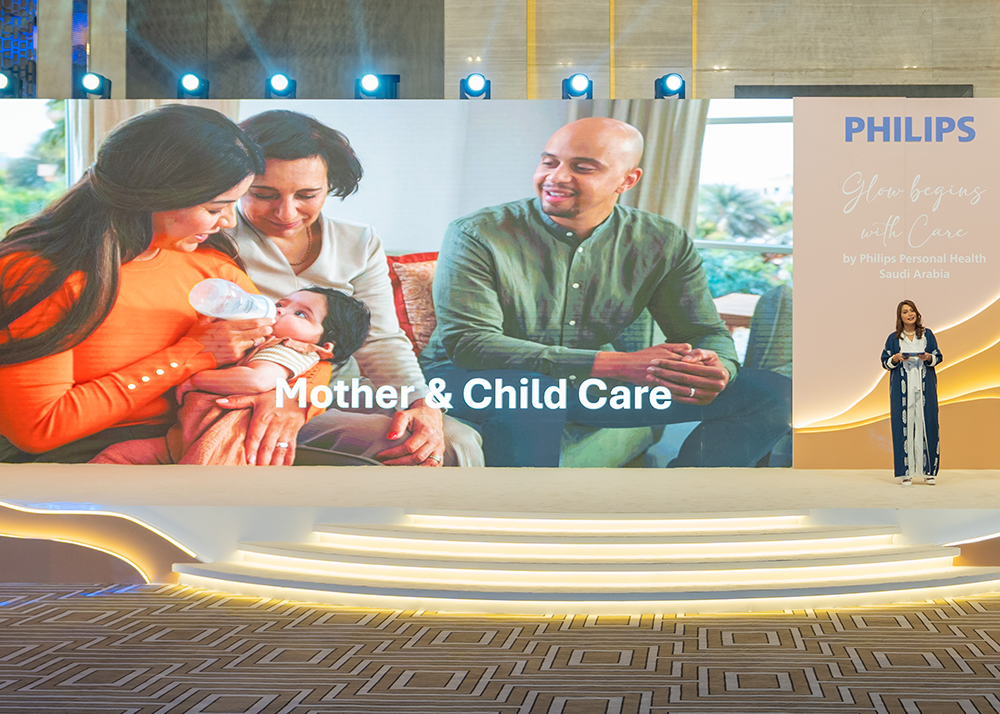
Changing the shape of storytelling
Philips’ recent campaigns reflect a shift away from product-centric messaging towards narratives that tap into social and emotional realities.
“Storytelling enables us to demonstrate not only what a product does, but how it positively transforms people’s lives,” Bhatia says. The company’s ‘Share the Care’ platform, for example, reframes parenting as a collective responsibility rather than a solitary one. Elsewhere, its approach to beauty has leaned into self-confidence over external validation.
“Similarly, with Philips Lumea, we introduced a communication approach that redefines beauty standards by shifting the focus from external expectations to self-confidence and personal empowerment,” adds Yıldız.
The brand’s evolution is also marked by strategic milestones. Philips recently launched a Personal Health legal entity in Saudi Arabia, building on its ‘Glow Begins with Care’ platform to resonate strongly within the evolving wellness landscape of Saudi Arabia.
“Through this launch, we demonstrated our ambition to bring innovation closer to consumers, enhance local partnerships, and contribute to the Kingdom’s broader health and wellness agenda,” explains Yıldız.
To achieve its goal of bringing innovation into the context of everyday life the brand has established a communication language through which consumers can connect with their own personal health journeys.
“Creativity and storytelling have become fundamental tools for building meaningful connections,” says Bhatia, explaining how stories grounded in real-life experiences and authentic meaning have nurtured increasing consumer engagement.
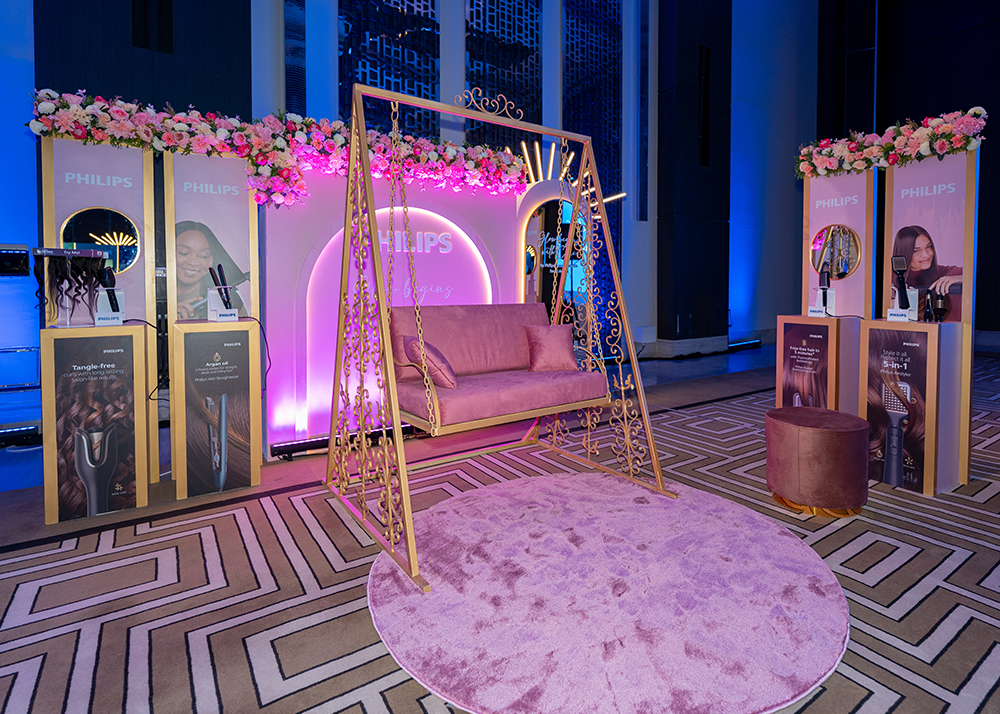
Setting the brief and measuring success
At Philips, campaign planning begins with a deep understanding of consumer needs. During the briefing stage, the first step is to clearly define the problem we aim to solve. Each campaign is shaped through the combined evaluation of category insights, consumer behaviour data, and market dynamics.
“Our objective is not simply to promote a product, but to address a need that holds meaningful relevance in consumers’ lives,” says Bhatia.
She explains that the brand structures briefs around three core questions:
- What problem are we solving for the consumer?
- At which stage of the personal health journey does this solution intervene?
- How does it contribute to the brand’s long-term positioning?
“This approach ensures that campaigns go beyond short-term visibility goals, creating initiatives that reinforce brand value and deliver measurable impact,” she says.
To measure success, Philips adopts a multidimensional framework that ensures that ensure short- and long-term impact. “We assess brand awareness, message recall, engagement, consideration, content consumption, sales performance, and channel efficiency,” Bhatia explains. “Additionally, we track long-term impact through metrics such as brand perception, trust, and consumer loyalty.”
The future of healthcare marketing at Philips
Yıldız and Bhatia conclude that as consumers increasingly expect brands to act as partners throughout their life journeys, marketing strategies must evolve into more holistic and continuous engagement models.
“Rather than isolated campaigns, brands are building content ecosystems that integrate into consumers’ daily routines,” says Bhatia.
The rise of wellness is also reshaping the tone of communication. More authentic, inclusive, and personalised messaging is coming to the forefront. Therefore, Philips strives to create a brand experience that continuously delivers value by supporting individuals in developing sustainable personal health routines. As people increasingly seek to manage their health not only when a need arises, but through the daily decisions they make, healthcare and wellness will need to be more preventive, personalised, and digitally connected.
“At Philips, we are preparing for this shift by combining our expertise in health technology with advanced personal health solutions,” says Yıldız.
“Through connected devices, and user insight–driven product development, we aim to help individuals make their care routines more informed, intuitive, and sustainable,” she adds.
Healthcare is moving into the fabric of everyday life, shaped by technology that is defined by behaviour. For brands, the challenge is not just to keep up, but to keep close.