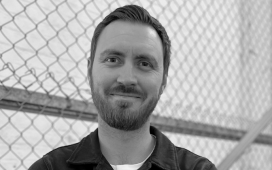
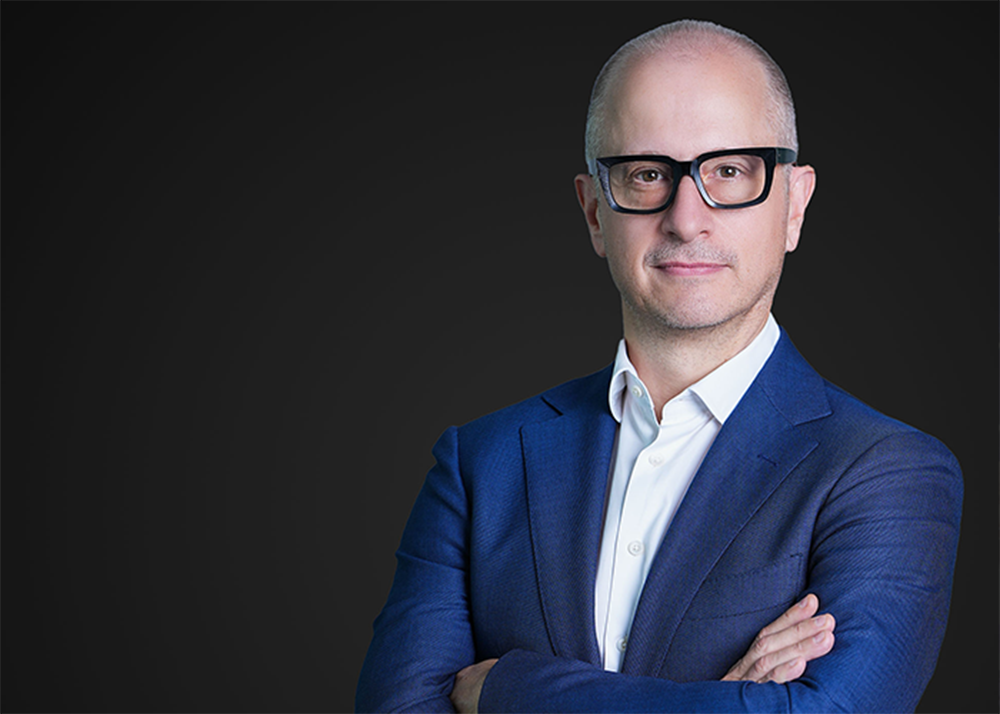
 Piero Poli, CEO, Viola Communications
There are markets that grow. And then there are markets that compound, where the talent, the capital, the ambition, and the infrastructure arrive together and begin to reinforce each other in ways that become very difficult to slow down. The UAE has been doing that for a while now, and the pace hasn’t let up.
The UAE advertising market reached $3.38bn in 2024 and is projected to approach $5.74bn by 2033. Across the broader Middle East, the figure sits at $8.44bn today, heading toward $12.19bn by 2034.
These numbers reflect audiences that are younger, more digitally fluent, and more commercially engaged than almost anywhere else in the world, and brands that are increasingly treating this region as a primary market rather than an emerging one.
What’s happening at the investment level makes the advertising trajectory easier to understand. The UAE attracted $45.6bn in foreign direct investment in 2024, a 48 per cent year-on-year increase, ranking the country tenth globally and accounting for 37 per cent of all FDI flows into the MENA region.
It also ranked second worldwide for newly announced greenfield projects, with 1,369 initiatives launched last year alone. Abu Dhabi sits at the centre of this.
The Abu Dhabi Investment Office has been systematically building one of the more sophisticated investment ecosystems in the world, with a clear focus on making the capital a base for companies with genuinely global ambitions, not just regional ones.
When that volume of capital is moving with that level of permanence, the industries that serve business, communications among them, tend to follow.
Dubai’s three media zones, Media City, Studio City and Production City, now house more than 3,000 companies and 34,000 professionals, with double-digit expansion continuing.
Much of that talent arrived here by choice, drawn by the quality of opportunity rather than the absence of alternatives elsewhere, and the creative community that has formed as a result is more internationally varied, and more commercially sharp, than most markets manage to produce.
The Cannes Lions results from 2025 reflect it. MENA took home 32 Lions, up 45 per cent from 22 the year before. That kind of improvement over a single year comes from clients asking more of their agencies and agencies finding they have the talent to deliver it.
Having worked across markets from Sydney to London to Barcelona and New York for over two decades, the UAE feels different from most places at a comparable stage of development. It is no longer a market finding its feet, it is one that has quietly, already found them.
There is short-term uncertainty, and it would be dishonest to not mention it. Global headwinds, shifting trade dynamics and geopolitical pressure are real and felt here. But the UAE has a consistent track record of converting difficult periods into productive ones.
The disruptions of previous years, financial shocks, regional instability, a global pandemic, each ended with the country more connected, more capable, and better positioned internationally than before.
That reflects a leadership that plans across decades rather than cycles, a business environment built to retain talent and attract capital over time, and a deliberate approach to soft power that treats cultural credibility as something worth investing in. Those things don’t dissolve under pressure.
For the marketing and communications industry here, that context is worth holding onto, particularly when short-term conditions tempt a more cautious posture.
The collaborative spirit that characterises this community at its best, agencies championing each other’s work, sharing knowledge, building the industry together rather than purely competing within it, is genuinely unusual and worth preserving. It’s part of what makes this such a good place to do the work we do.
By Piero Poli, CEO, Viola Communications