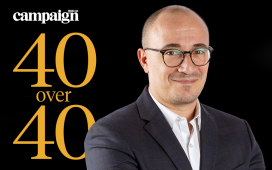
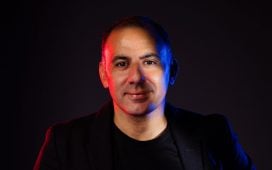
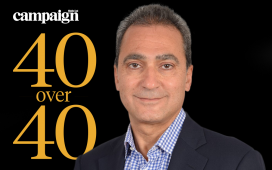
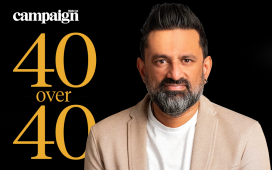
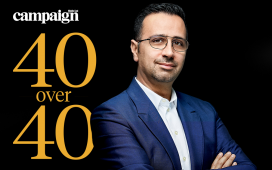
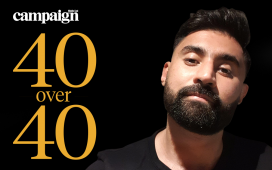
From top left, clockwise, Nicolas Hauvespre, Vice President Luxury Brands, Middle East & Africa, Marriott International; Loay Nour, Vice President Brand & Marketing, Fairmont Hotels & Resorts; Amal Harb, Marketing Advisor and Instructor, Dubai College of Tourism (DCT); Kiran Kumar, CHDM Regional Director of Marketing, United Hospitality Management; and Robert Singleton, Director, Loyalty Performance Strategy IMEA, IHG Hotels & Resorts.
Several marketers who are members of the Hospitality Sales and Marketing Association International – Middle East and Africa not-for-profit industry association, which serves the hospitality sales, marketing, revenue management and distribution community in the region, recently gathered to share their insights on what’s next for hospitality marketing.
The HSMAI MEA Marketing Advisory Board is led by Chair Loay Nour, Vice President Brand & Marketing, Fairmont Hotels & Resorts; and Vice Chair Amal Harb, Marketing Advisor and Instructor, Dubai College of Tourism (DCT).
Members who participated in the discussion included:
- Nicolas Hauvespre, Vice President Luxury Brands, Middle East & Africa, Marriott International;
- Kiran Kumar, CHDM Regional Director of Marketing, United Hospitality Management;
- Robert Singleton, Director, Loyalty Performance Strategy IMEA, IHG Hotels & Resorts.
Other members of the Advisory Board include:
- Stephanie Abou Jaoude, Senior Area Marketing & Communications Director – Middle East, Africa, Turkey & Mediterranean, Radisson Hotel Group;
- Robyn James-O’Connor, Vice President Marketing, Jumeirah Hotels & Resorts; and
- Hana Fuchs, Regional Director of Marketing Communications MEA, Minor Hotels.
Some of the key topics hospitality marketers are addressing include digital transformation, the role of AI and automation, authentic storytelling, the intersection between personalisation and privacy, new content strategies and purpose-led marketing to respond to the ever-evolving needs of the environmentally conscious traveller.
Purpose-led and personalised marketing
Looking at the evolving marketing landscape, the Advisory Board began the conversation responding to emerging trends and developments they believe will most significantly shape hospitality marketing in the next few years.
”I believe we will see a strong shift toward personalisation, emotional connection, and purpose-driven engagement, said Fairmont Hotels & Resorts’ Loay Nour. “Younger travellers, particularly Gen Z and millennials, are looking for brands that align with their values and deliver meaningful, tailored experiences.”
Echoing this sentiment, Marriott International’s Nicolas Hauvespre said, “A new generation of travellers is looking beyond traditional markers of luxury. Above all, they seek experiences that are memorable, meaningful, and purposeful. It’s no longer just about opulence; it’s the cumulative effect of authentic and emotionally rich interactions that make an experience truly unique, highly desirable, and unforgettable.”
“In addition, there are macro trends such as the rise of blended travel and the evolution of technology that are driving the global and regional tourism and hospitality sector,” said IHG Hotels & Resorts’ Robert Singleton.
Honing in on technlogy, hospitality marketing’s future blends AI-driven personalisation and efficiency with enduring human connection.
“Where traditional marketing depended on broad segmentation, AI empowers us to craft deeply individualised journeys, drawing on real-time data and behavioural insights.”
– Amal Harb
United Hospitality Management’s Kiran Kumar said, “While technology analyses data for tailored experiences and operational gains, the personal touch and localised offerings remain key differentiators. A balanced approach, leveraging both tech and manpower, will optimise guest satisfaction and efficiency.”
Emphasising the importance of a balanced approach, Dubai College of Tourism (DCT)’s Amal Harb added, “At its core, our business is about human connection and we want to ensure that AI and automation are here to amplify it.”
She explained that technology, including AI and automation, are transforming the guest experience, enabling a shift from reactive service to predictive, highly personalised engagement.
“Where traditional marketing depended on broad segmentation, AI empowers us to craft deeply individualised journeys, drawing on real-time data and behavioural insights,” Harb said. “Through machine learning and predictive analytics, we can anticipate guest needs before they are even expressed, whether it’s tailoring offers based on booking patterns, recommending experiences aligned with past preferences, or optimising the timing and relevance of our communications. This level of personalisation enhances guest satisfaction and drives stronger conversion and long-term loyalty”
As a Loyalty Director, Singleton added to the discussion saying that in a competitive market, a well-designed loyalty programme helps differentiate a brand by offering unique benefits or experiences.
Singleton said, “Loyalty programmes have the unique opportunity to combine member stay data and preferences to enhance hotel service delivery and guest experiences. They also offer hotels the opportunity to offer tailored experiences and communication that can lead to greater member satisfaction and stronger emotional connections with brands.”
Nour added, “Loyalty platforms and direct digital channels will be key tools for gathering insights and nurturing lasting relationships with guests.”
“Hotels that transparently communicate their sourcing and sustainability efforts and empower their team members to engage and educate guests on these initiatives, will build stronger connections and loyalty.”
– Kiran Kumar
Marketers reiterate the call for contextual and authentic storytelling
The importance of building strong emotional conections in hospitality marketing is shared by the panel, with authentic storytelling highlighted as one of the critial factors in achieving this.
“To resonate with the modern, more conscious traveller, brands must move beyond polished promotions and lean into purpose-driven, emotionally genuine storytelling,” Harb said. “It’s about showing the soul of a place and inviting guests to be part of something meaningful.”
She added, “Authentic stories often come from real people and real moments; the local artisans behind a hotel’s design, the chef who sources ingredients from nearby farms, or the community partnerships that contribute to responsible tourism. Sharing these narratives through behind-the-scenes content, guest spotlights, or team member voices, creates trust and emotional resonance.”
Hauvespre opined that the luxury hospitality market is at a critical inflection point. After years of strong growth driven by rate increases, consumers are beginning to question the value equation, which presents a powerful opportunity for marketing to refocus on creating culturally relevant, emotionally resonant experiences, brought to life through authentic storytelling, engaging content and tangible proof points.
“Brands that move guests emotionally — not just efficiently — will earn lasting loyalty and stand the test of time,”
– Nicolas Hauvespre
This also helps in effective communication with the next generation of guests that are increasingly conscious.
Kumar explained, “Hotels that transparently communicate their sourcing and sustainability efforts and empower their team members to engage and educate guests on these initiatives, will build stronger connections and loyalty. This proactive approach caters directly to the values of this growing demographic.”
Harb added, “It also requires consistency between message and action. Today’s traveller can spot performative messaging from a distance. Brands must ensure their storytelling reflects reality, backed by credible initiatives and measurable impact.”
However, marketers agreed that this starts with “living the story, not just telling it.”
“Today’s travellers, especially in the GCC, are highly aware and value transparency, purpose and cultural depth. Instead of polished ads, it’s about honest, human content that shows what a brand truly stands for. When storytelling is rooted in place, people and purpose, it naturally resonates,” Nour added.
Looking forward and reflecting on what this means for marketeers, he added, “In this new landscape, the brands that will stand out are those that combine advanced technology, creative and immersive content, and a strong sense of authenticity to meet the expectations of today’s more conscious and connected guests.”
Other marketers echoed this sentiment, explaining that to thrive in the luxury space for years to come, we must also focus on advancing human intelligence: understanding people more intuitively, adapting more quickly and solving problems more creatively.
“Brands that move guests emotionally — not just efficiently — will earn lasting loyalty and stand the test of time,” Hauvespre said.
Kumar added, “A key challenge for hospitality marketers in 2025 and beyond is staying meaningfully connected with increasingly fragmented and hyper-personalised audiences. With consumer behaviour constantly evolving and digital platforms multiplying, it’s no longer enough to rely on traditional campaigns or one-size-fits-all messaging.”
As AI and automation reshape how marketers engage with guests, the challenge will be to humanise technology, ensuring that innovation enhances the guest experience rather than replaces the essence of hospitality.
“Ultimately, authenticity comes from listening as much as speaking. Brands that engage in dialogue with their audience, adapt to feedback and remain humble in their storytelling will continue to build relevance and loyalty with this more conscious, more discerning generation of travellers,” Harb concluded.