KitKat is back – doing what it does best since 1957 – giving people a better break. This time, it’s quite literal. Despite long days at the office, crazy deadlines and the non-stop work hustle culture, employees barely ever get uninterrupted breaks.
Considering itself the champion of breaks, KitKat decided to intervene.
“With 80 per cent of breaks at work being interrupted, our objective with this campaign, is to give people a few minutes of uninterrupted break time. Is that too much to ask?” said Bana Salah, Creative Director, Publicis Middle East.
Tickets to Campaign Middle East’s Ramadan Breakfast Briefing & The Year Ahead event are selling out fast. Click here to claim your seat for Friday, 13 February to network with and listen to top clients and agency leaders.
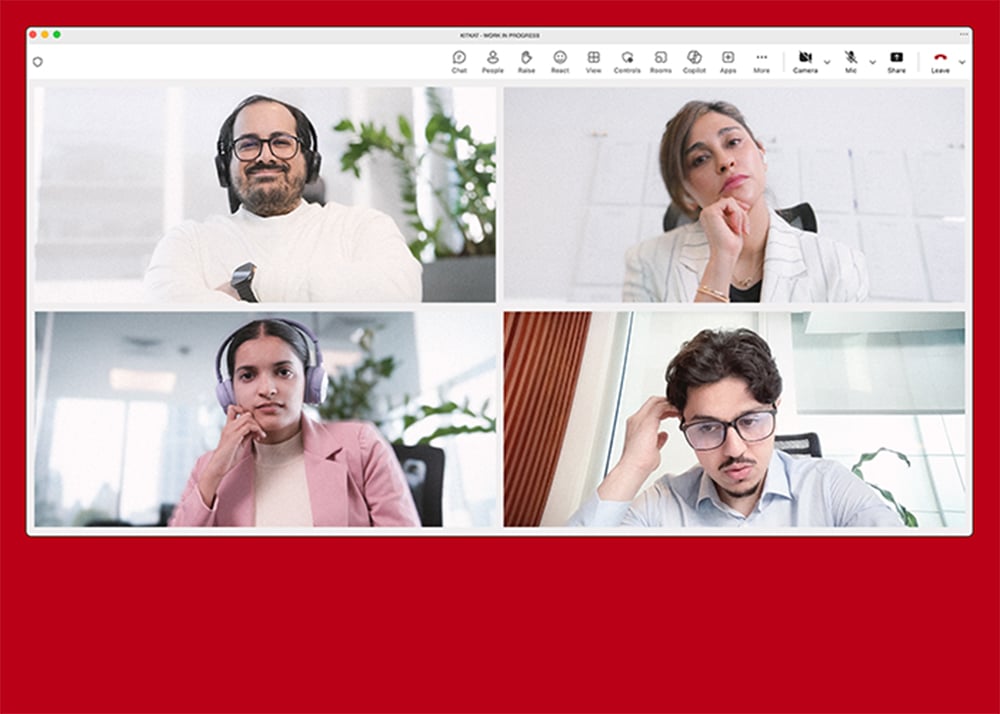
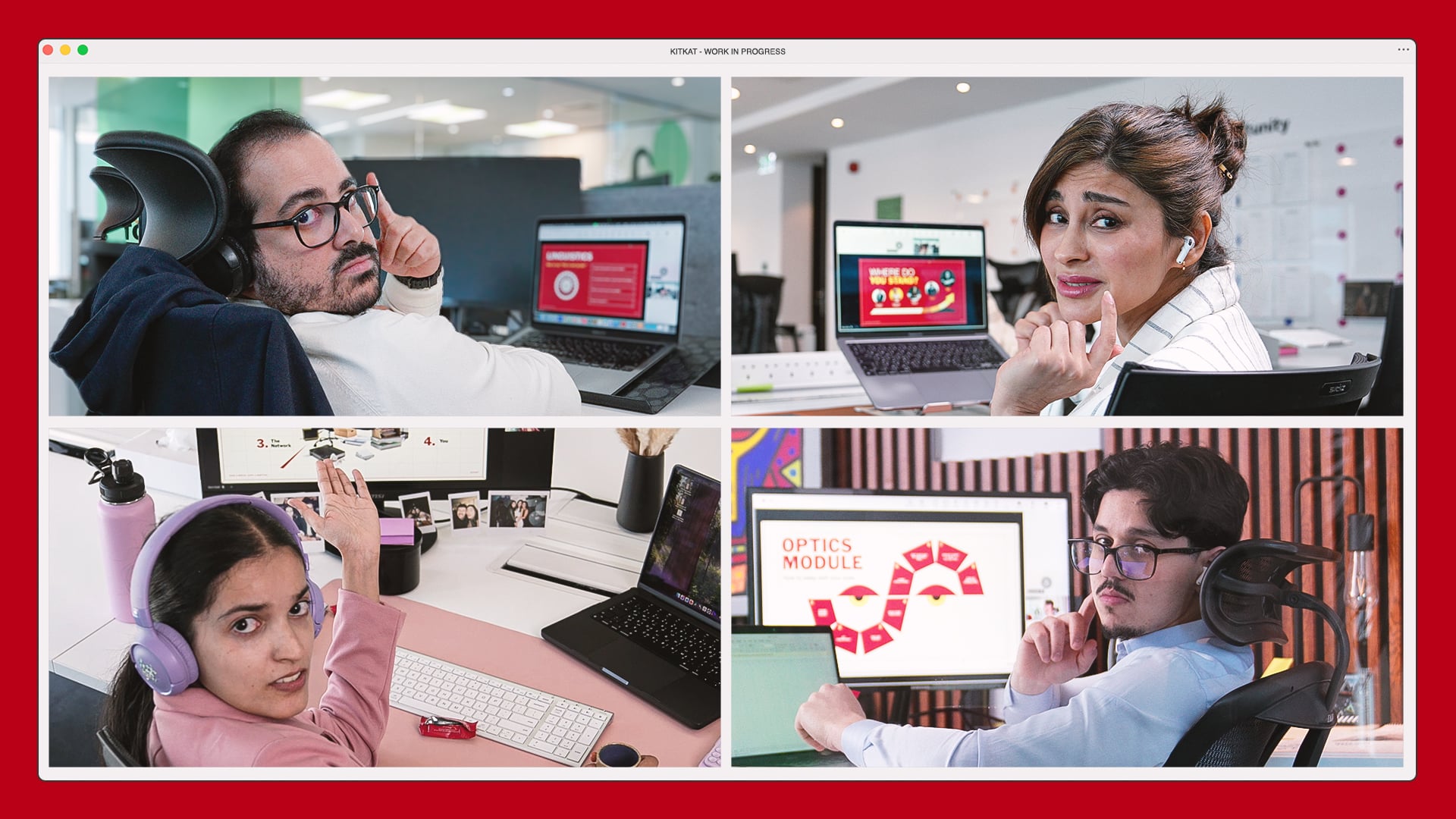
The campaign came up with a playful way to hack the corporate system. The idea centred around a platform that can make employees look like they’re working: a fake KitKat Teams call that offers an unexpected – yet only – way to take an uninterrupted break. Because no one interrupts people who are on a Teams call.

With KitKat’s latest 24/7 teams call (click here to try it for yourself) employees can block their calendars anytime they need a quick reset. After all, nothing quite says “do not disturb” like a perfectly boring-looking presentation, and that ‘I am on a call’ gesture. The whole experience mirrors the structure of a real meeting just enough to pass as one.
“So, when you join the call, everything looks exactly as it should. A screen is shared. Charts are moving. Slides feel important. You’re very clearly “busy” and no one suspects a thing,” said Aliza Siddiqi, Associate Creative Director, Publicis Middle East. “The initial target audience included working professionals in the UAE, but PR has taken the campaign well beyond the borders of the nation.”
The campaign, brought to life by Publicis Middle East, Digitas ME, Prodigious, Optix, initially rolled out across social media, primarily Meta, but gained traction through PR.
Deniz Yamanel, BEO, Nestlé Confectionery MENA, said, “This is about protecting those short breaks that help people come back feeling better. KitKat has always believed in better breaks. All we did was schedule it anytime an employee needs it.”
Bana Salah, Creative Director at Publicis Middle East, added: “No break ever goes uninterrupted – trust me, I would know. But the moment you point to your headphones and mouth ‘I’m on a call,’ everyone backs off. So, we thought, what if the break was the call?”
The agencies partnered with a talented VO artist and actor Elie Iskandar, who was the host for the campaign.
The success of the campaign is being measured by the number of joinees and time spent with the idea, and the number of KitKats sold through the duration of the campaign.
CREDITS:
Client: KitKat
Agencies: Publicis Middle East, Digitas ME, Prodigious, Optix