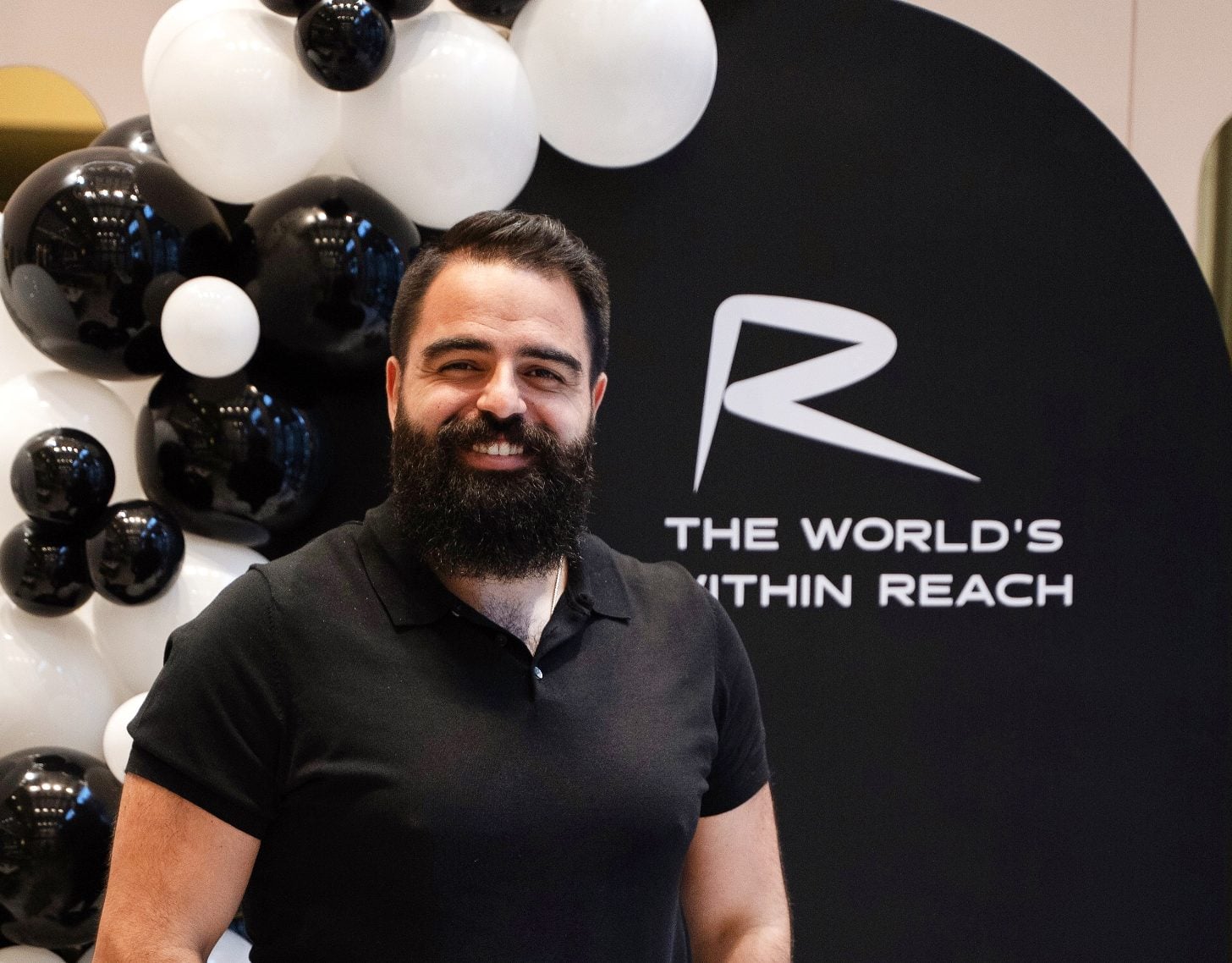
As creators move from paid amplifiers to strategic partners shaping brand narratives and community conversations, Reach Founder and CEO Ihab Ghazal shares how success is shifting from short-term spikes to long-term, relationship-driven influence that builds sustained brand equity in this industry snapshot.
Has influencer marketing reached a point where relevance now outweighs reach – and if so, how should brands recalibrate success?
It’s not that reach no longer matters; it’s that relevance determines whether reach actually works. Some creators with large followings still maintain real communities because they grew with their audience, not ahead of it. When scale and trust coexist, that’s where influence is strongest. The problem isn’t big creators; it’s inflated reach without credibility. That relevance is built on stories on different platforms rather than videos/feed posts.
Is influencer marketing still a distinct channel, or is it becoming inseparable from brand, community and content strategy?
Influencer marketing is no longer a separate channel. It has evolved into an extension of brand, community and content strategy. When creators are treated as media placements, the work feels transactional, and audiences do not engage. When they’re treated as partners, they care about the brand and vouch for it; they shape the tone, culture and trust in a way traditional channels can’t.
At Reach, we don’t ask which influencer has the biggest reach. We ask whose audience genuinely trusts them and whether the brand belongs in that conversation. That’s where authenticity is built.
Influencer marketing today is the connective tissue between a brand and its community. The brands winning aren’t buying posts; they’re building relationships.
How should brands evaluate influence in a world where impact may be subtle, slow and cultural rather than instantly measurable?
Influence today isn’t always loud or instantly measurable. It’s built over time through trust, consistency and cultural fit. From my perspective, brands need to stop chasing spikes, trends and start reading signals: how people engage, talk, remember and behave after repeated exposure. If a creator can integrate a brand naturally without losing credibility, that’s real influence.
At Reach, we believe the strongest impact isn’t always immediate. It’s subtle, cumulative, and remembered, and that’s what actually moves brands forward.
Are creators now shaping brand narratives more than brands themselves?
Creators are increasingly shaping brand narratives more than brands themselves. People experience brands through creators, not corporate messaging. Creators humanise brands, translate them into culture, and make them feel real. That influence is powerful and risky if not intentional. From my perspective at Reach, brands must be clear on their point of view and selective about who they give narrative power to. Brands set the direction, but creators drive the story.