Somewhere in the gap between what brands say and what communities actually feel, the future of sports marketing in this region is being decided. The brands paying attention to people know that the old model is no longer enough.
The traditional playbook made sense at a time when brands just needed to secure the sponsorship, attach the logo and amplify the reach. Visibility was currency and proximity to sport was a reliable way to earn it. But there is a ceiling to that logic, and we have reached it. The reason is not that people in the region care less about sport; it is that they care about it in a fundamentally different way.
According to the 2024 Edelman Trust Barometer, 84 per cent of people say that they need to resonate with the values of a brand before they use it. That number does not soften when we move to younger audiences. In fact, it sharpens. Generation Z increasingly perceives brand affiliation as a direct reflection of personal identity and values, prioritising trust, ethical alignment and authenticity in its consumer relationships. They know when a brand belongs in their world and when it is merely passing through. That shift in perception and pressure has become one of the most valuable things to happen to sports marketing in years. It is pushing brands to be more thoughtful, creative and genuinely connected to their audiences.
Why culture outlasts sponsorship
Successful sports marketing initiatives in the region are shifting from sponsorship to stakeholder engagement. The distinction matters enormously. A sponsor may ask what a platform can do for a brand, but a stakeholder asks what a brand can do for a community. One is transactional, while the other is more generational.
The reason this shift is accelerating in the Middle East specifically is that sport has become inseparable from identity. Across the region, creativity is becoming attuned to national identity, shared values and cultural nuance. Young audiences are no longer passive fans watching from the sidelines; they are active participants in a broader conversation about who they are, what their cities are becoming and how they want to be seen. This is where football intersects with streetwear, running is rooted in community, and sport becomes a lifestyle entry point rather than simply a category.
What sports marketing looks like in practice
Tapping into culture is not a marketing decision; it is a decision to listen. That means brands must show up before they have anything to sell.
When we first encountered LFG Dubai, a homegrown fitness and social club built around weekly runs at Kite Beach and boot camps in Al Quoz, the instinct might have been to brief them, shape their story and fit it into ours. We did the opposite. LFG had already built something real by uniting a diverse mix of students, professionals and creatives through fitness, culture and shared growth. That community existed entirely on its own terms, long before any brand entered the picture. Our job was simply to understand it well enough to add something genuine to it, not to redirect it.
That distinction is where brand relevance is built – not through visibility but through value. The communities that matter most in this region are not looking for brands to lead them. They are looking for partners who understand what they have already built and are willing to contribute to it honestly. When a brand earns that position, it does not need to announce it. The community does that work instead.
The broader implication is this: relevance in the region is not assigned by budget or reach. It is granted by people who decide – often quietly and without ceremony – that a brand belongs in their world. Getting there requires patience, genuine curiosity about culture, communities and the discipline to resist the urge to make everything about the product.
The standard has changed
Audiences increasingly seek authenticity, and brands today are judged not only by what they say, but by how they act and connect with people’s real values and aspirations.
The brands that will matter over the next decade are the ones building genuine relationships with local creatives, athletes and communities right now – not as vehicles for messaging but as collaborators in a shared story.
Sport gives us an extraordinary platform. What we choose to say through it and, far more importantly, why we say it is where the real work begins.
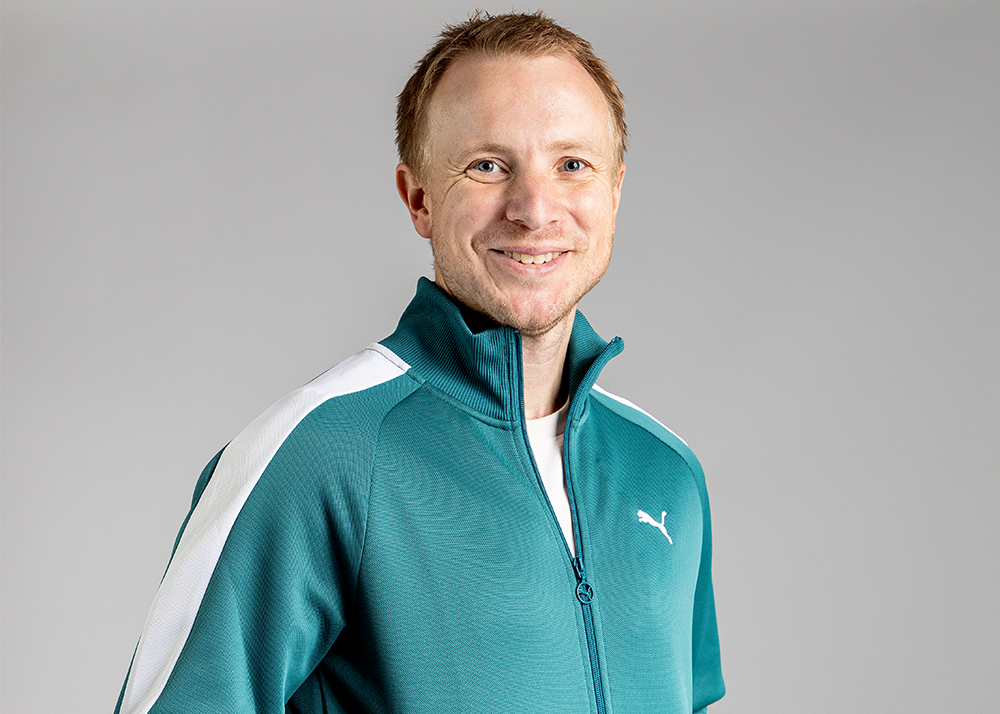
By Jonathan Bannister, Head of Marketing, PUMA Middle East.