The creator economy in the GCC region is undergoing a transformation, with countries in the region, including Bahrain, Kuwait, Oman, Qatar, Saudi Arabia, and the United Arab Emirates, now home to 263,000 social media influencers as of 2025.
This marks a 75 per cent growth in just two years, up from 150,000 content creators in the region in 2023, according to new data released by Qoruz, an influencer marketing intelligence platform.
For this report, the term “creator or influencer” refers to a monetised content creator with more than 1,000 followers.
The fashion and entertainment sectors dominate globally, but the GCC market presents a different trajectory. Lifestyle and travel, as well as fashion and beauty are leading the charts here, reflecting both the affluence and cultural emphasis on luxury, aesthetics and experiential content in the region.
Influencer categories driving the growth in the GCC
Lifestyle and travel continues to dominate the influencer landscape, expanding from 31,000 creators in the space in 2023 to 58,000 in 2025, which represents a staggering 87 per cent rise.
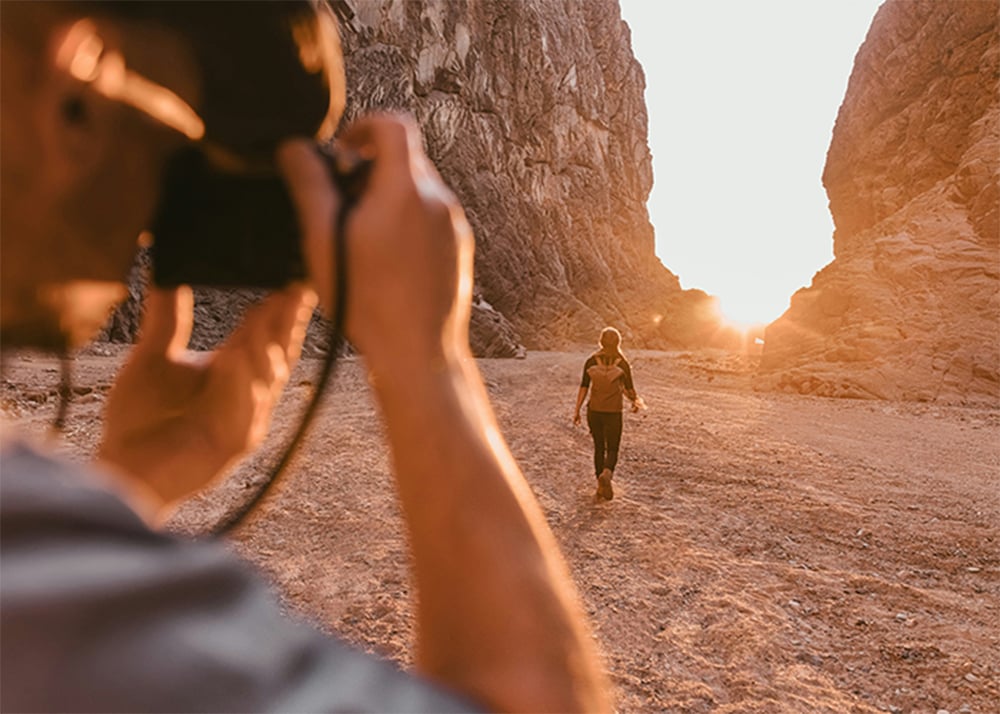
This growth is powered by creators curating aesthetic narratives around luxury experiences, local getaways and cultural heritage, especially in the UAE, Saudi Arabia and Qatar.
Similarly, fashion and beauty isn’t far behind, rising 89 per cent during the same period.
But beneath these headline numbers lie unexpected surges. Finance and business influencers grew 62 per cent, as more creators demystify topics such as personal finance, startups and AI for regional audiences.
Meanwhile, health and fitness influencers have also tapped into a post-pandemic wellness mindsets, growing 76 per cent since 2023, particularly prominent in urban Saudi and Emirati circles.
Arts and entertainment creators have also seen an 85 per cent rise, reflecting a regional revival of identity, cinema, music and storytelling formats tailored for platforms such as Instagram, TikTok, Snapchat and YouTube Shorts.
|
Influencer Growth Across Categories (2023–2025) |
||||
|
Category |
2023 Influencers |
2024 Influencers |
2025 (YTD) Influencers |
2-Year Growth (%) |
|
Lifestyle and travel |
31K |
48K |
58K |
87 per cent |
|
Fashion and beauty |
28K |
45K |
53K |
89 per cent |
|
Food and culinary |
22K |
29K |
32K |
45 per cent |
|
Arts and entertainment |
14K |
22K |
26K |
85 per cent |
|
Health and fitness |
13K |
18K |
23K |
76 per cent |
|
Parenting and family |
12K |
16K |
22K |
83 per cent |
|
Tech and gadgets |
9K |
13K |
15K |
66 per cent |
|
Finance and business |
8K |
11K |
13K |
62 per cent |
|
Gaming |
7K |
9K |
11K |
57 per cent |
|
Others / Niche |
6K |
9K |
10K |
66 per cent |
|
Total |
150K |
220K |
263K |
75 per cent |
The regional shift: Local identity meets global content
What makes the GCC market unique is its mix of high digital penetration, brand-conscious audiences and multilingual, multi-ethnic creators. Campaign planning often involves a strategic filter around ethnicity. Whether Arab, Indian or Western, in order to connect with specific audience bases.
For example, UAE-based brands may tap into Indian-origin creators for their South Asian expat audiences, while Saudi campaigns lean heavily on Arab creators who reflect cultural and linguistic authenticity. This diversity gives marketers a nuanced canvas to craft relevant, high-impact campaigns.
At the same time, creators in the GCC aren’t just trend followers; they are increasingly becoming trendsetters. Their content blends regional values with global aesthetics, making them ideal partners for international and local brands alike.
Today, more than 62 per cent of consumers in the GCC are regularly exposed to creator-led content, and more than 35 per cent of shoppers say such content directly influences their purchase decisions.
This growing trust in creator narratives highlights the shift from passive viewership to active consumer behavior driven by digital storytelling.
“In the GCC, creators are not just entertainers, they have become cultural narrators,” said Priya Vivek, Co-Founder and Head of Partnerships at Qoruz. “We are seeing a strong shift in how creators express modern Middle Eastern identity. From an Emirati mother showcasing modest fashion to an Indian expat capturing weekend escapes in Oman, their stories go beyond engagement. They reflect aspiration, relatability, and everyday life.”
Vivek added, “What stands out today is how brands are thinking more deeply about storytelling. Collaborations are no longer just about reach or aesthetics. They are about cultural context, authenticity, and sometimes even ethnicity, to ensure content truly connects with people. Creators who understand their audiences and bring a sense of belonging to their narratives are the ones driving real impact. The lines between creator, media, and brand voice are becoming fluid, and that is exactly where the new wave of influence lies.”
Aditya Gurwara, Co-Founder of Qoruz, said, “What’s emerging in the GCC is a creator economy that’s both strategic and expressive. There’s often this perception that influencer marketing in the region is still at an early stage, but that’s far from the truth. The ecosystem here is evolving fast, and creators are becoming an integral part of how brands build meaningful connections with people.”
Gurwara added, “Parenting and Lifestyle creators, especially, stand out because they make everyday topics more relatable and engaging. Going forward, GCC creators will play a big role in shaping how brands communicate and tell their stories. They’re not just participating in the market anymore; they’re helping define it.”
The road ahead: What’s next for the GCC creator economy?
From Riyadh to Dubai, the influencer ecosystem has evolved from early experimentation to a well-structured creator economy.
Brands are increasingly moving toward deeper, long-term collaborations instead of campaign-based partnerships, recognising creators as vital partners in shaping cultural and consumer narratives.
The next phase of growth in the GCC will be defined by stronger creator-brand alignment, diversified content formats, and more localised storytelling that resonates with audiences across cultures.
The creator economy here is no longer about trends, it’s about building sustained influence that reflects the region’s identity, aspirations, and voice on the global stage.