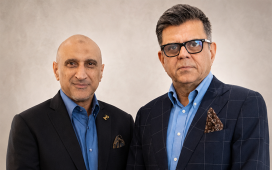
 Ziwar Nakhesh, PR Director, Seven Media.
Ramadan, anchored by fasting as one of the five pillars of Islam, is both a spiritual obligation and a cultural heartbeat across the Muslim world. Its core values – generosity, patience, reflection and family – are timeless, yet the way they are lived is anything but static.
Twenty years ago, Ramadan in the UAE was quieter in a literal sense. Shops closed early. Streets emptied before Maghrib. Ramadan felt inward-looking, almost village-like, even in cities.
Over the last decade, the change has been subtler but more profound. Technology has quietly reshaped the atmosphere. Moon sightings now travel at the speed of notifications. Charity is mobilised digitally, scaled nationally, even globally. Workplaces actively create Ramadan rhythms rather than merely comply with them.
What’s striking today is intentionality. Ramadan in the UAE now feels consciously protected. There is an understanding that modernity moves fast and loudly, and so Ramadan must be held with care.
Perhaps the most meaningful shift is this: 20 years ago, Ramadan asked people to withdraw. Today, it invites them to gather, across cultures, faiths and identities, without losing its spiritual core. Now Ramadan carries a dual confidence: rooted enough to remain itself, flexible enough to welcome the world without explanation.
And for brands, this evolution does not dilute Ramadan’s meaning; it deepens the opportunity to tell stories that are culturally grounded, emotionally resonant and attuned to how tradition and modern life now coexist.
Brands didn’t always perform Ramadan. For a long time, they simply stood in its light. Over 20 years, then 10, their storytelling shifted from quiet deference to crafted participation, mirroring the UAE’s own journey from intimacy to global fluency.
Twenty years ago, Ramadan storytelling was non-existent, the visual language was restrained: crescent moons, lanterns, calligraphy, dates placed carefully on white space. Messages leaned heavily on greetings – “Ramadan Kareem” – and stopped there. Brands didn’t try to narrate meaning; they borrowed it. This era valued silence as credibility. A brand that knew when not to speak was trusted.
And then the tone changed. Brands began to tell stories, not just mark the month. This was the age of the big Ramadan film. Music swelled. Narratives stretched three minutes’ long. Brands positioned themselves as emotional facilitators, connecting families, enabling giving, restoring togetherness.
Digital media accelerated this shift. Social platforms turned Ramadan into a daily narrative, not a single greeting. Hashtags, user stories, influencer iftars. Charity became ‘campaignable’, scalable and shareable. Brands didn’t just support giving; they designed journeys around it.
The values of generosity, patience, reflection and family remain unchanged, but now brands believe they can help translate those values for a modern, diverse audience without hollowing them out.
Today, Ramadan storytelling has matured; the UAE and the wider Middle East have moved beyond the need for spectacle and audiences have grown fluent in the language of the month.
The opportunity presented to brands is not to speak louder, but rather speak with greater intention, the most resonant stories are not about brands inserting themselves into Ramadan, but about brands creating space for Ramadan to unfold naturally within people’s lives.
Brands that succeed will be those that design experiences, platforms and behaviours that support family connection beyond the 30 days of the month.
And in the context of the Year of the Family, this becomes even more powerful, as the hole month offers a concentrated expression of family values, while the Year of the Family challenges brands to carry those values forward with consistency and purpose.
Ultimately, the future of Ramadan storytelling in the region lies in restraint, relevance and responsibility. Brands are no longer storytellers in isolation; they actively participate in a shared cultural moment. And those that understand this will move from telling stories about Ramadan to helping the audience live it; quietly, respectfully and in ways that endure long after the crescent moon has faded from view.
By Ziwar Nakhesh, Head of Arabic, Seven Media.