 Some of the Middle East’s top retail media marketers have reached a consensus that the industry needs to prioritise trust, education, change management and tech integrations, while increasing its focus on artificial intelligence (AI)-shopping agents, the untapped power of first-party data, and effectiveness across on- and off platform channels.
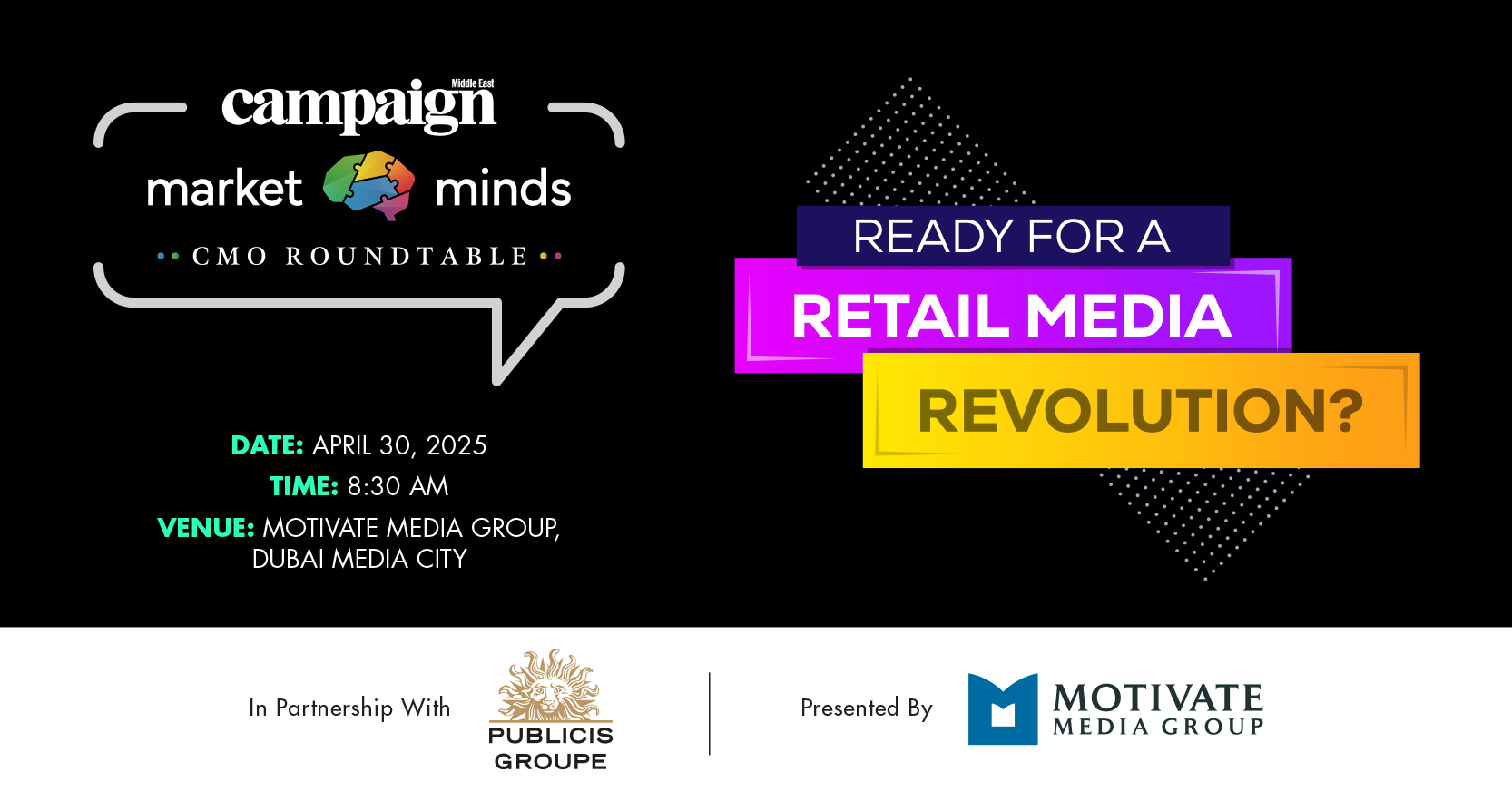
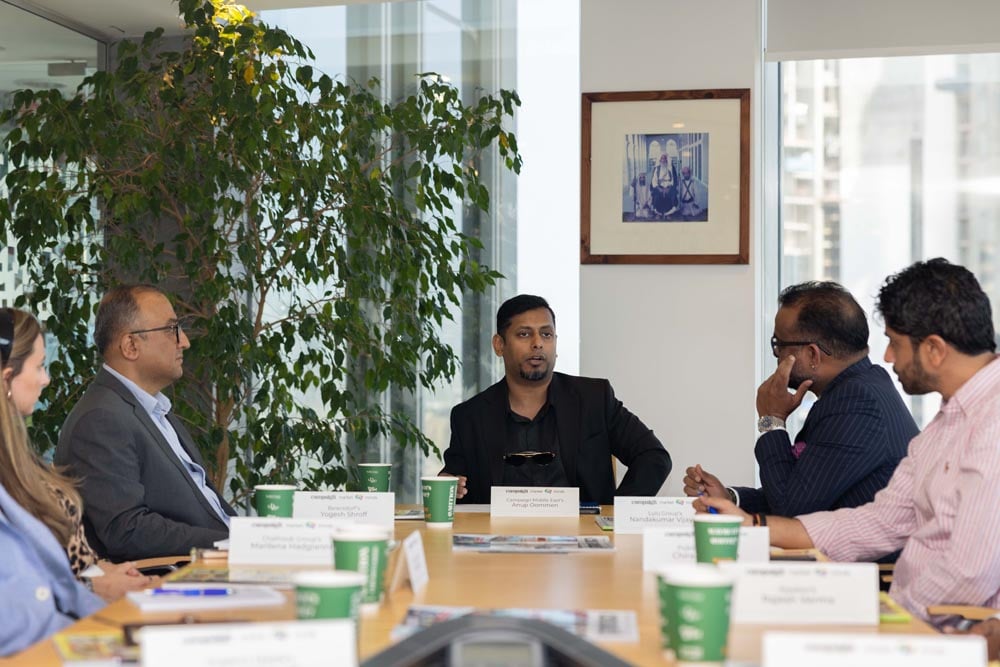
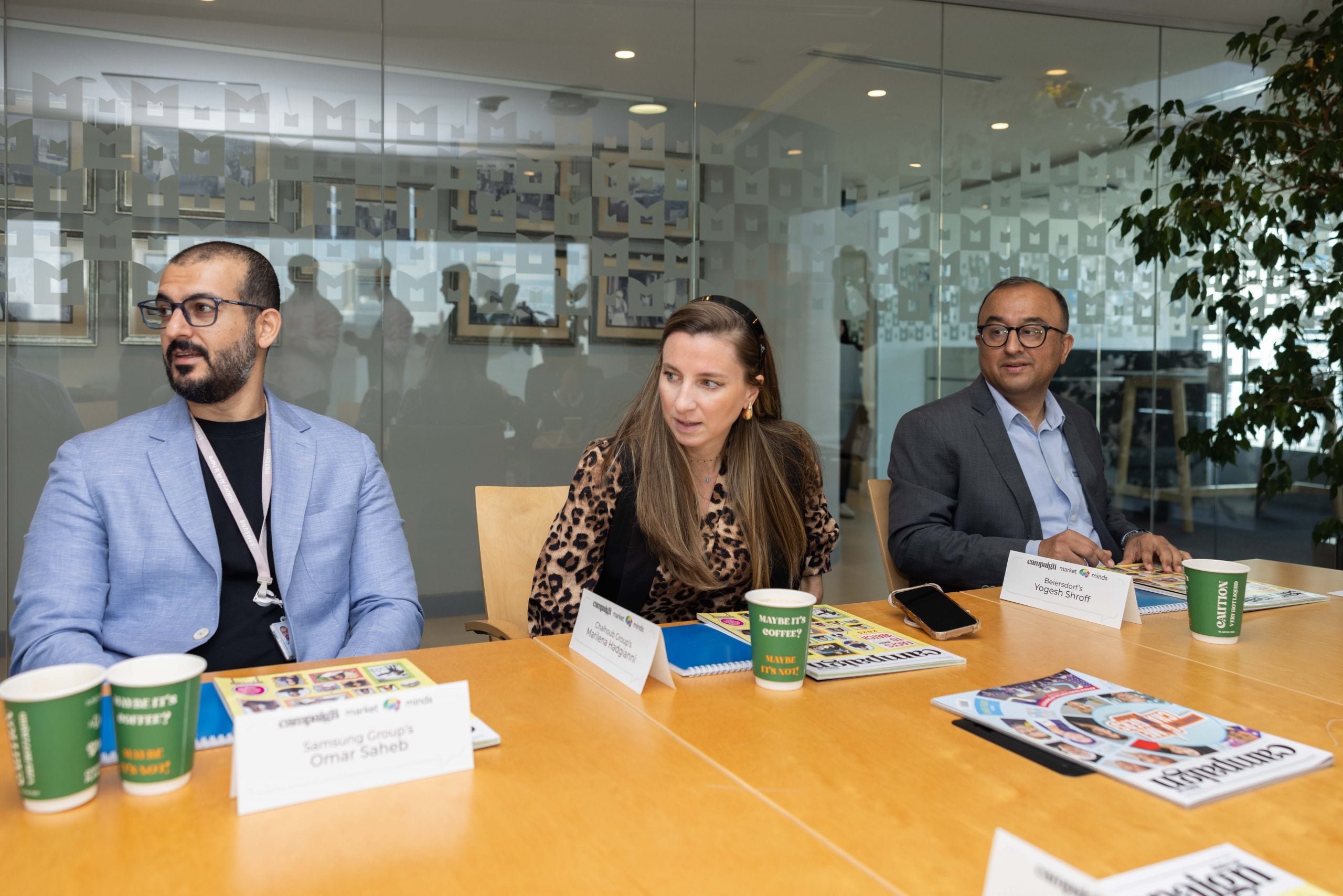
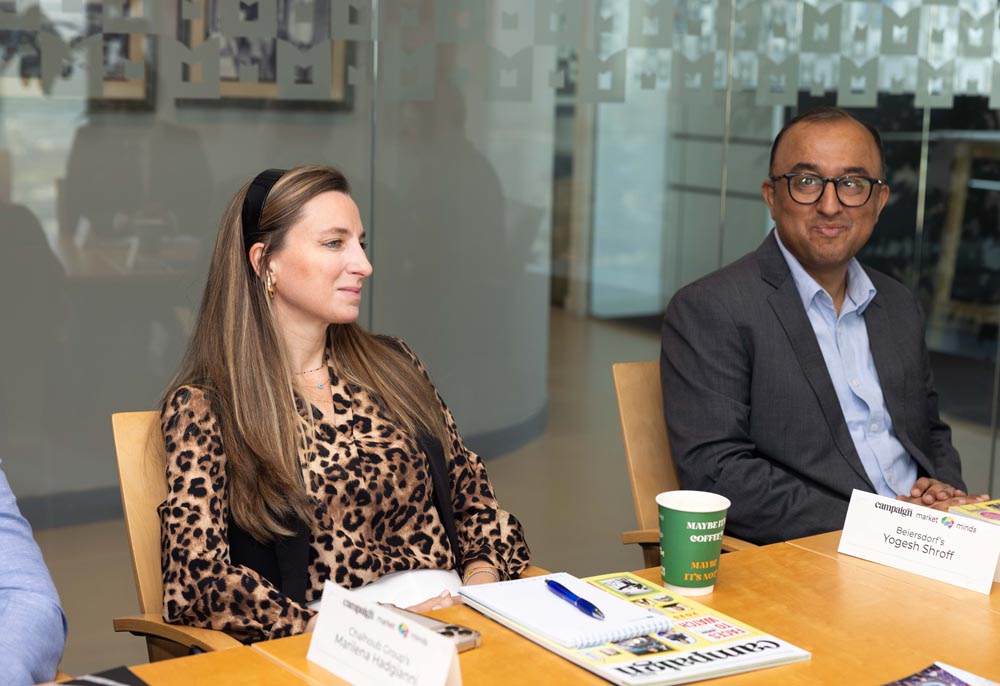
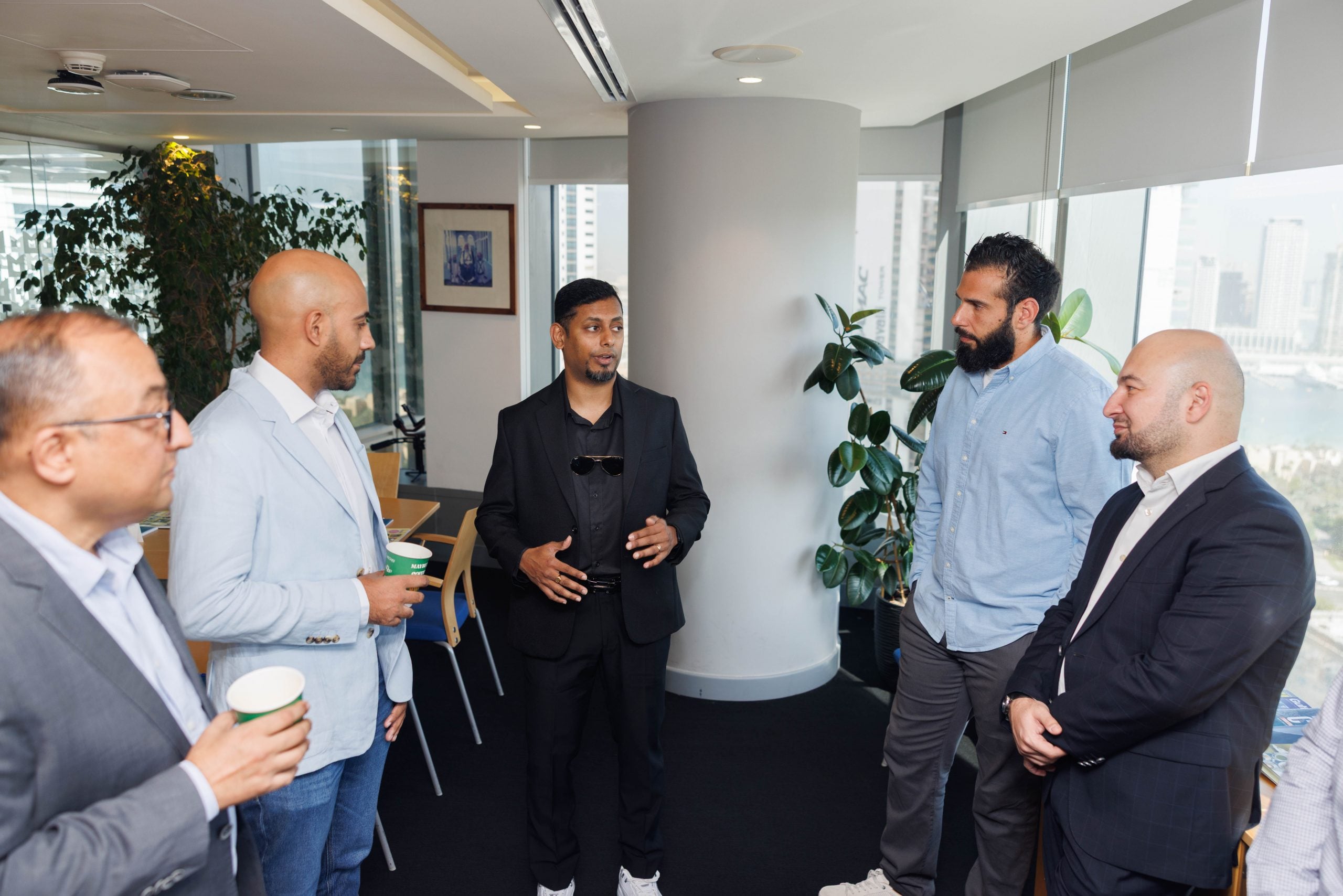
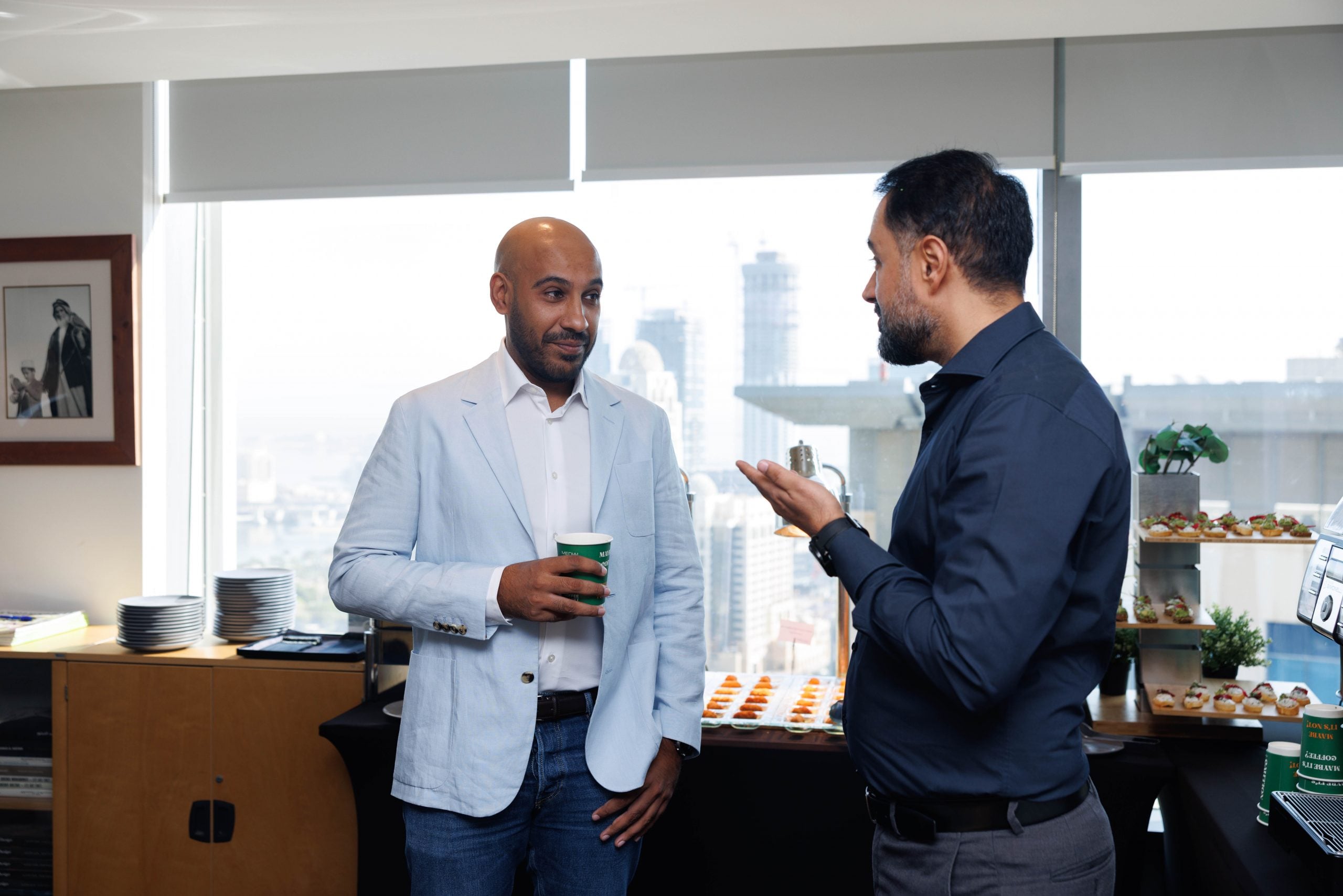
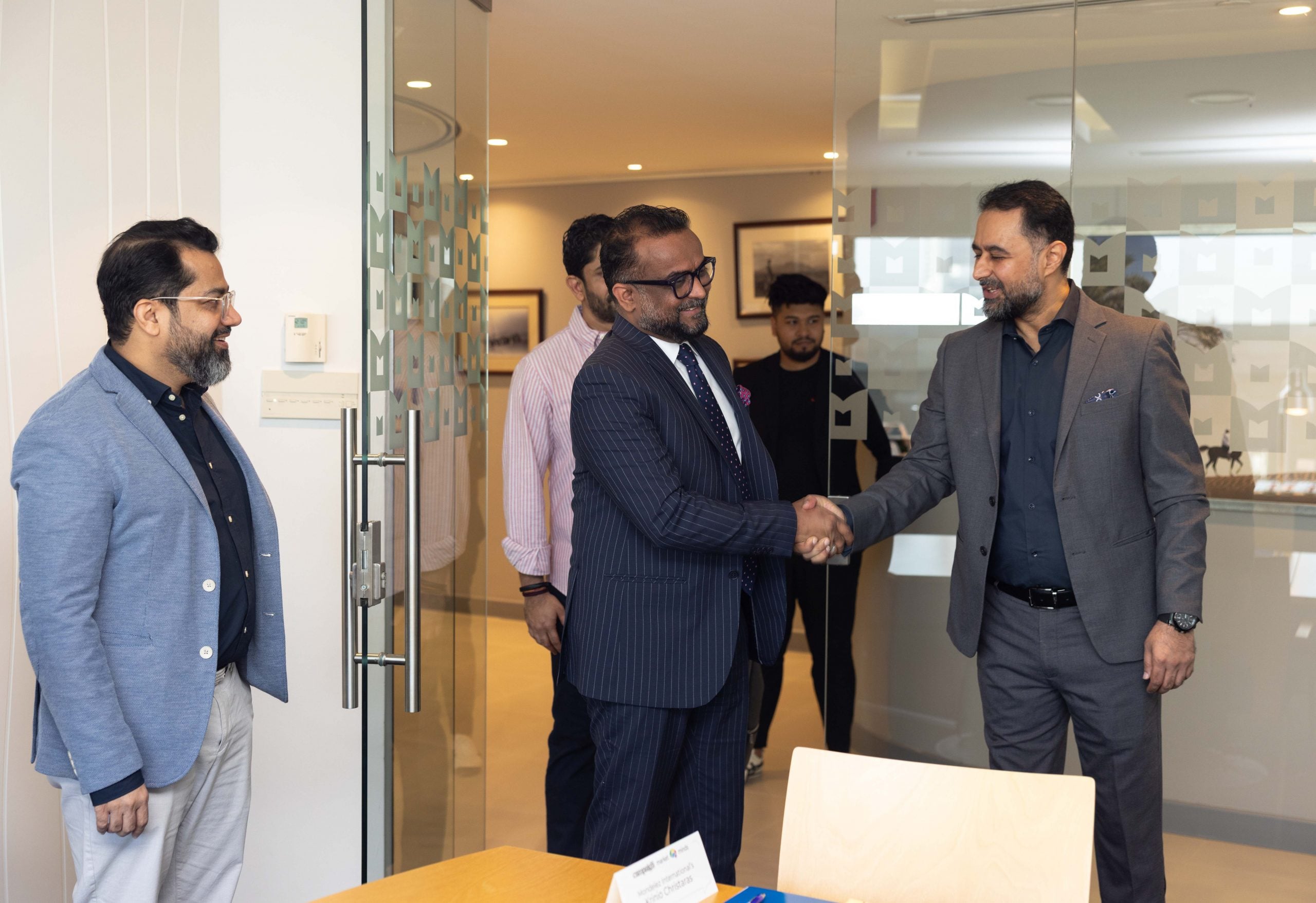
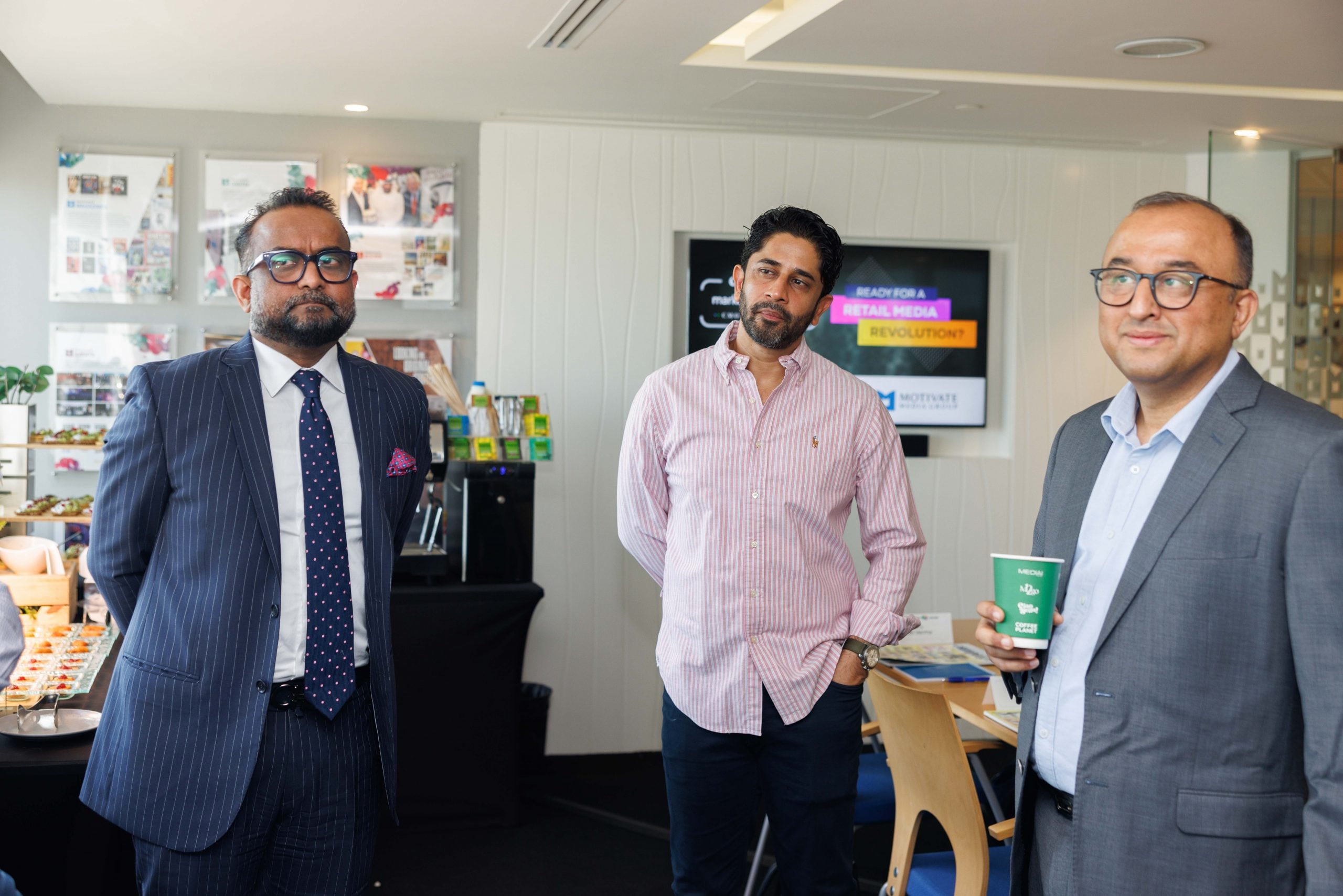
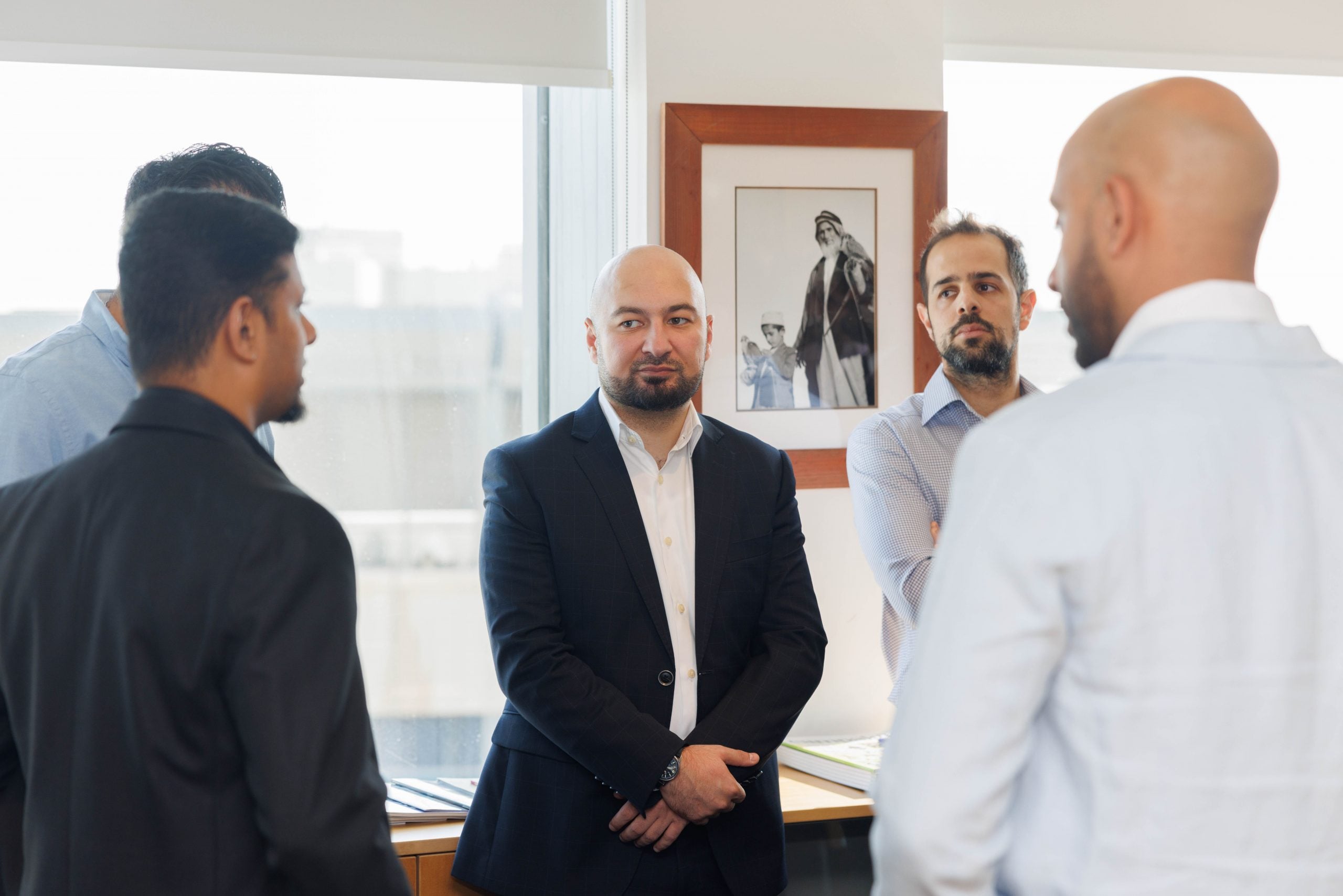
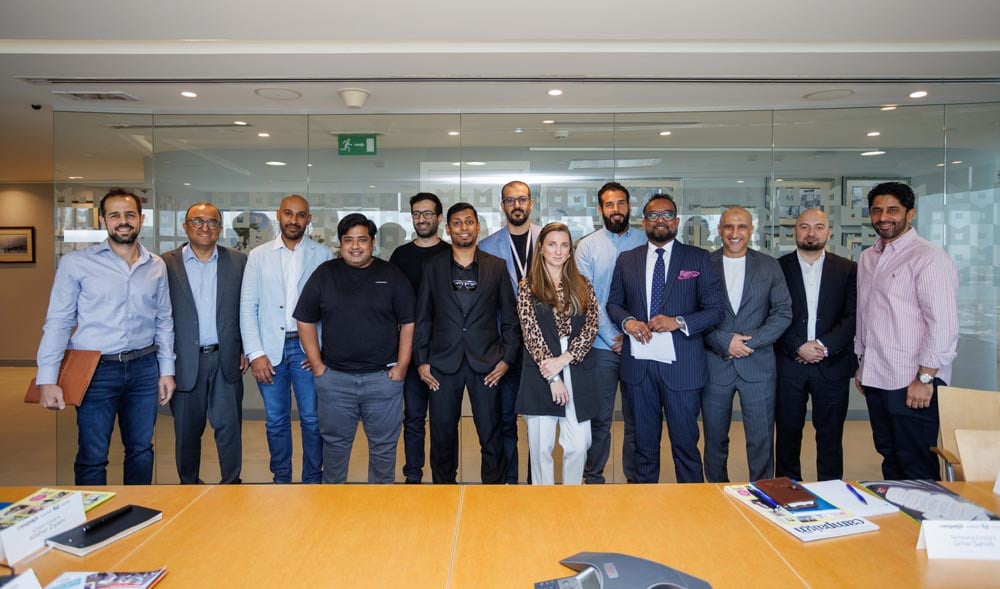
Campaign Middle East’s recent Market Minds CMO Round Table event titled ‘Ready for a Retail Revolution?’, presented by Motivate Media Group in partnership with Publicis Groupe Middle East, witnessed 12 retail media industry veterans gather for a knowledge-sharing and community-building exercise

This closed-door round table meet was attended by:
- Omar Saheb, Chief Marketing Officer – MENA, Samsung Electronics MENA
- Marilena Hadgianni, Director – Brand Marketing, Chalhoub Group
- Sohail Nawaz, MBE, Head of Retail Media, Landmark Digital, Landmark Group
- V. Nandakumar, Director – Marketing and Communications, Lulu Group International
- Yogesh Shroff, Director of Ecommerce, Beiersdorf
- Alisher Ziyaev, Associate Director – Retail Media, Union Coop
- Tayab Hasan, General Manager – Ads, Careem
- Kareem Al Saady, Regional Director – Retail Media, talabat
- Mazen Mroueh, Head of Performance, Publicis Media
- Rajesh Verma, General Manager, Epsilon
- Chirag Galundia, Head of Commerce MENA, Publicis Commerce, and
- Hitesh Malhotra, Marketing Director, 6thStreet.com, Apparel Group
At the outset, conversations reinforced the notion that retail media is no longer only a trade marketing channel. Leaders agreed that retailers need to focus more on long-term customer value, upper funnel brand spend, joint value propositions (JVPs) and full funnel partnerships, while becoming true growth engines for organisations.
Marketers opined that the time has come to conversations far beyond impressions, cost+clicks, data monetisation, and move the dialogue towards in-house analytics and tangible business outcomes such as incrementality of sales.
They also shared that while the industry has embraced technology – which enables the sharing of information and data – the industry needs a makeover in terms of collaboration at the C-suite level; aligning on pilots and common goals; ensuring trust and transparency along with data integrity and privacy; and ‘speaking the same language clearly’ so that everyone is on the same page despite organisations being at different stages in terms of their retail media maturity.
Leaders also agreed to collectively address ‘the education piece’ – across their organisations, agencies and with partners – which calls for clearer communication on achievable expectations and clearer demonstration of value delivery from both upper-funnel spend and lower-funnel e-commerce.
The trend of AI shopping agents was also discussed, with a specific focus on how organisations now need to go beyond using AI for search engine optimisation, to also optimise for answer engine optimisation or AEO. The consumer path to purchase journey is changing with the dawn of these shopping agents and marketers will soon be showing fewer ads to people and need to work out how to optimise for bots.
Sohail Nawaz, MBE, Head of Retail Media at Landmark Reach part of the Landmark Group, said, “The questions that we need to ask ourselves as retailers are: Do we block or throttle shopping agents in our eco-systems? Do we create our own? As shopping agents like Operator, Alexa Plus and Nova Act become more mainstream and they achieve critical mass with consumers, whichever agent wins that battle to be the consumer shopping agent of choice, their big tech owners will win the future battle of Agent as a Service revenue. This will ultimately result in retailers forming alliances with the most popular shopping agents to get their products discovered, selected and purchased. He who dares, wins!” Last mover disadvantage in this space is real!
Panellists also discussed advertising models within shopping agents, ensuing search changes, and revenue opportunities that could be unlocked.
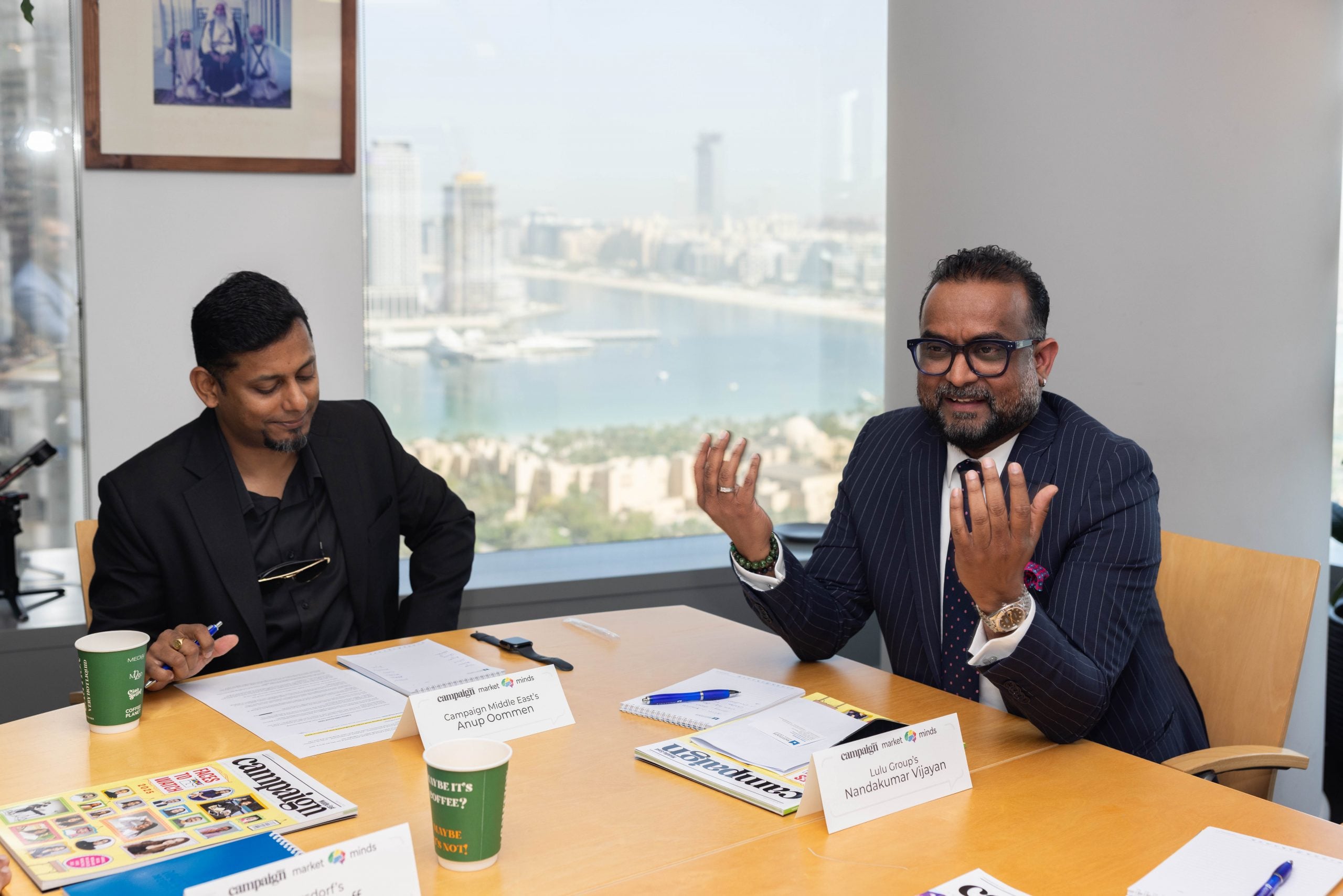
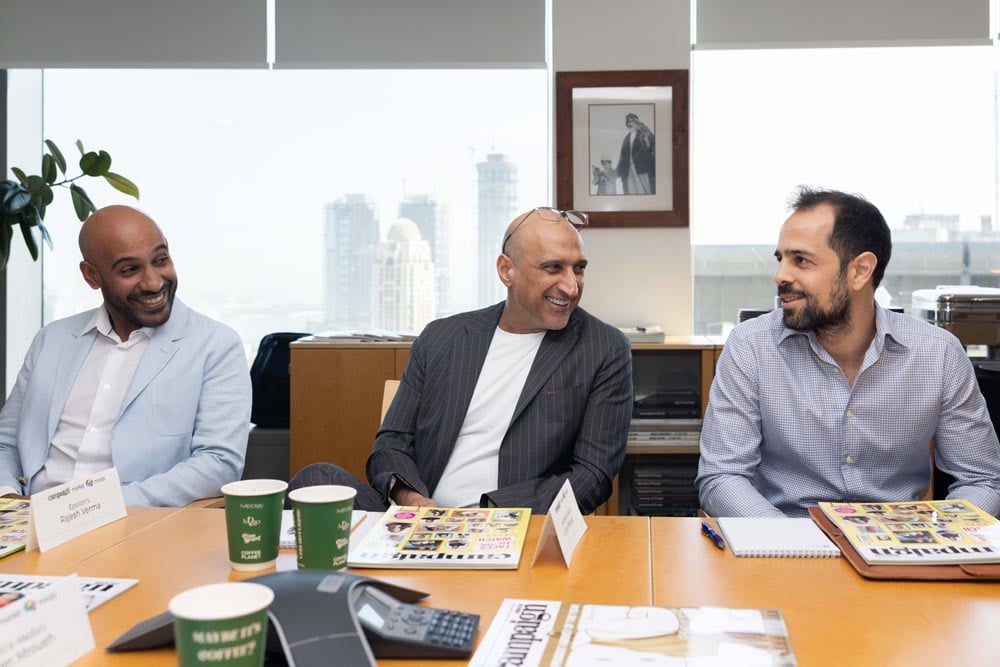
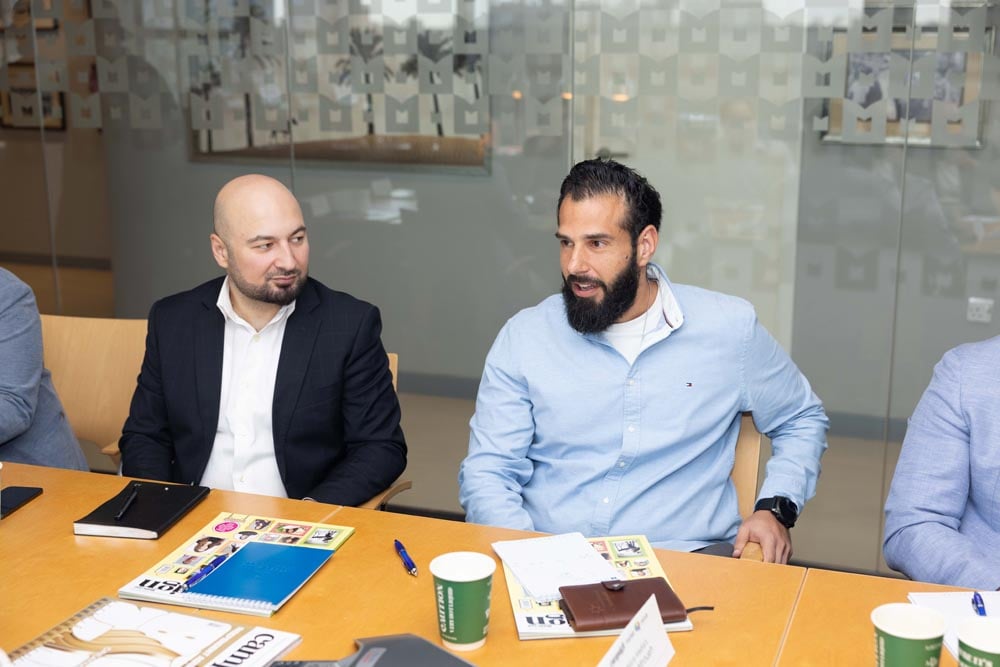
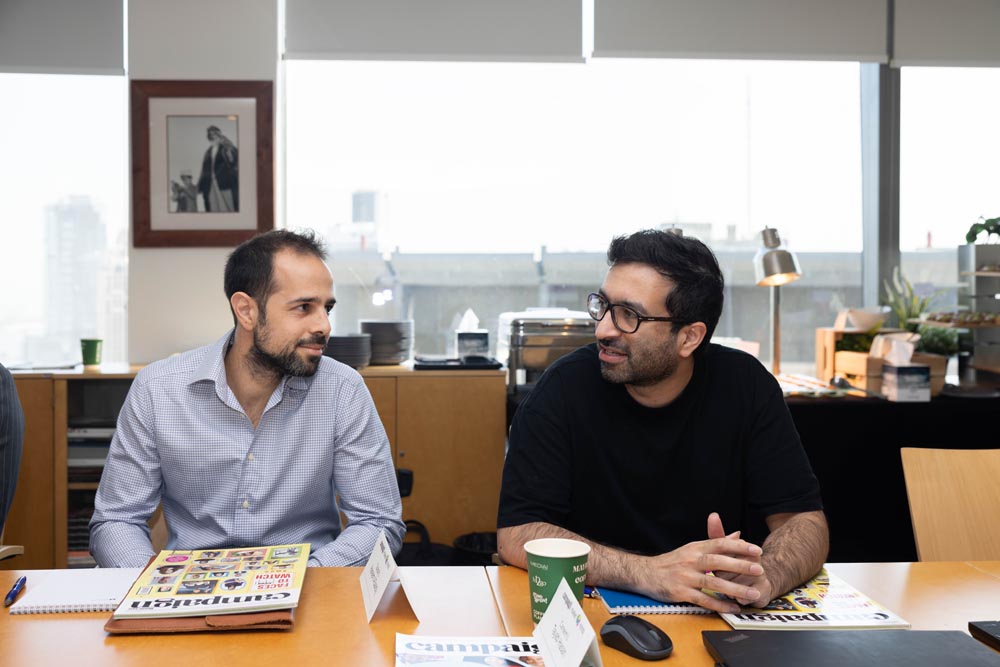
Retail media: Far beyond trade marketing
While retail media is not new, and has had trade budget for a long time, the industry has witnessed rapid evolution with the added layer of analytics, data, technology as well as the way insights are derived and the way it is packaged.
Nandakumar V., Director – Marketing and Communications, Lulu Group International, who oversees big box retailing across multiple geographies and thousands of stock-keeping units (SKUs), said, “The key trend to address is attributable packaging. We need to raise the right questions such as: How did the ad perform compared with the business take off? Conversations in the industry are revolving around how we can better package – from a technology point of view – and then sell the insights to get the space sold on both in-store assets as well as online and off-site assets.”
Building on the discussion, Nawaz said, “It’s exciting to see how retail media technology can enhance the trade and merchandising discussions and relationships with our endemic brands. With the new tech, comes the possibility of closed loop measurement which every brand wants to see i.e add shown, product bought and SKU level data being provided as part of the measurement and reporting suite. Collaboration with trade and merchandising teams to communicate these new developments to our exsiting brand partners is pivotal to retail media success and dedicated stakeholder engagement and joint working is key.”
Nawaz added, “This will include diving into deeper and regular conversations with trade and merchandising teams and asking questions such as: What are the most important GMV weeks, and what are the less important weeks? How can weave and optimise Retail Media ads (sizes and placements) in lower GMV weeks and reduce them in the weeks that are important to you?”
The panellists agreed that perceptions around retail media need to change, despite traditional trade budgets being a legacy contribution to the back-end margins. In the past, retail media used to be focused more on asset management, but now it’s a transformation piece that goes far beyond trading assets and has evolved into managing campaigns and long-term brand objectives.
Tayab Hasan, General Manager, Careem Ads, said, “In more mature markets, the upper funnel spend is huge and so is retail media spend. In this region, we’ve got only our trade marketing sorted – or rather, we’re getting there. We need to do a lot of education on how to get that more upper funnel spend channeled into retail media because that’s where the closed loop measurement exists.”
Clarion call for change management
Marketers also discussed the problems that arise when we compare the Middle East market to more mature retail media markets.
Absurdities arise when consultancies fail to clearly communicate the value of data to client-side C-suite leaders. Several panellists shared examples of consultancies promising billions and millions in value from data within short timeframes, and the fallout of such unreal expectations.
Leaders explained how advertisers have an appetite for pilots and test campaigns but often get fixated on that big number – which then translates into how advertisers measure success metrics such as KPIs and clicks. This gets further complicated when programmatic is dragged into the discussion – especially in an industry where ad fraud remains rampant, and the system can be gamed by bots.
Hasan added, “Let’s be honest. Data owners or retailers can’t put their finger down on a specific dollar value that can be derived out of data and into their P&L. Sure, we can use our data to target our own customers better or optimise our marketing campaigns. But the interesting bit comes in when the question is raised about what more we can do with this data, and how we can monetise it, with so many buyers existing without the means.”
Epsilon and Publicis Groupe Middle East shared how they have solved for this by activating campaigns against the data, thus, putting value against the data and fixing expectations in terms of what this data is worth.
Rajesh Verma, General Manager, Epsilon, said, “It’s definitely an education piece. Everyone needs to be aligned on what the value of data is, and how it can be unlocked. This requires a deeper understanding of the granularity of retail media. It’s our jobs as marketers and agency leaders to educate and handle the internal assignments; to onboard everybody at the C-level and manage their expectations.”
Leaders stated that the time has come to change the way things work. It’s no longer OK for the C-level to get so distracted by the big numbers and how to get that money into their P&L that they forget about the tech, the customer journey, the true value of data, and brand.
Alisher Ziyaev, Associate Director – Retail Media, Union Coop, added, “Educate the industry that this is not a plug-and-play solution. Retail media is undergoing a massive transformation – and yes, while it usually sits within the marketing department, it involves the operations, commercial teams, finance, legal and IT – all coming together and ensuring that everyone is aligned at the C-level.”
Panellists agreed that internal alignment needs to be prioritised and that marketing needs to be more of an enabler. They discussed ways to reframe the process, ensure that everyone understands customers before monetisation, and enable data-led partnerships and JVPs.
Omar Saheb, Chief Marketing Officer – MENA, Samsung Electronics MENA, said, “The goal shouldn’t be for retailers to simply monetise data. Instead, we should focus on how to leverage our insights to drive mutual growth with our retail partners. It’s about using the information and insights we have to unlock new sales opportunities and co-create a joint business plan. At the end of the day, both we and the retailer want the same thing: to create more value respectively. But to get there, we need to go back to basics, understanding the consumer, identifying growth drivers, and working together to expand the total category value. It’s not about taking a bigger slice; it’s about growing the pie.”
Yogesh Shroff, Director of Ecommerce, Beiersdorf, added, “Some retailers are moving fast in this space, while others are lagging a bit. Top brass can, at times, be on board with change management, but the real questions are: Does this translate through the organisation? Are we setting the right KPIs at the bottom level? How are we signing up our JVPs with our partners and looking at incrementality? These are the critical questions.”
Mazen Mroueh, Head of Performance, Publicis Media, shared examples of how Publicis Groupe Middle East has already been brought to life through great partnerships with the likes of Beiersdorf, Landmark Group and Carrefour.
The trust and education piece
Marilena Hadgianni, Director – Brand Marketing, Chalhoub Group, raised concerns about trust and transparency within the retail media landscape.
She raised questions around data integrity, whether marketers trust the data being shared with them, whether the data is shared transparently, and whether the people sharing the data can be trusted.
Hadgianni added, “It’s also a matter of whether the industry needs to learn to communicate better – speak to marketers and retailers in a way that there’s no room for uncertainty or misinterpretation in terms of what’s being communicated; especially, when the information and insights are delivered to clients and marketers in a comprehensible way that makes them feel like they can trust the people, trust the data, and that they see the value.”
talabat’s Regional Director of Retail Media Kareem Al Saady emphasised the need for brands to gain visibility and control over their data, ensuring its proper consumption.
Al Saady said “We need to address fundamental challenges, keeping in mind that talabat’s primary value in the context of retail media, and driving CPG growth lies in driving customer acquisition and product sales through the transactions occurring on its platform. This area requires clarity and focus.”
Leaders stated that marketers need to work with product, finance and commercial teams – catering to them, as well. It won’t do if a colleague has a sales target but doesn’t have the tools and support needed, they agreed, because without collaboration and trust built into the system, why would the sales team care about improving brand perception over time?
Chirag Galundia, Head of Commerce MENA, Publicis Commerce, said, “As agency partners, working both with retailers and brands, our job is to partake in education and set the expectations of the various stakeholders right. This is not only in terms of what media to sell, but also in terms of how retail media effects their business, their targeting, and so on. Clearly, a lot of technology adoption and transformation is needed in order for brands and retailers to maximise their business impact – and that’s where we come in.”
Building on the conversation of partner strategy and collaboration, Epsilon’s Verma added, “Trust is an important credential. Showing credibility, bringing partners together, discussing strategies transparently and building on small business cases is critical. The onus is on us to show that we’ve driven value and performance, while also setting realistic expectations.”
Verma concluded, “It’s OK to say that it’s not easy to have success in a one-month campaign, especially when measured on last-click. Trust begins with honesty, and that in turn begins with not giving false promises. So, let’s rest the case with this: That big number that we’ve all spoken about – not going to happen. Start small, do pilot cases and then build on them.”