Day 3 at the Cannes Lions International Festival of Creativity saw the Middle East region increase its tally of metal cats to 16, including five Silver Lions and 11 Bronze Lions.
As it stands, viewing the wins by agency, FP7 McCANN MENAT has the highest number of wins from the region with a total of 8 wins, while Publicis KSA and Saatchi & Saatchi Middle East share two wins each.
BigTime Creative Shop, IMPACT BBDO, TBWA\RAAD, Landor and Memac Ogilvy take home one shiny Lion each.
| Campaign name | Award won | Client name | Agency | Country |
|---|---|---|---|---|
| The Birdwatcher | Silver Lion – Digital Craft
Bronze Lion – Digital Craft Bronze Lion – Design |
Spoor | FP7 McCANN MENAT | UAE |
| Spots for Shops | Silver Lion – Media
Bronze Lion – Media |
Parkin | FP7 McCANN MENAT | UAE |
| Recipe for Change | Silver Lion – Media
Bronze Lion – Media |
Puck / Arla Foods | FP7 McCANN MENAT | UAE |
| Let It Fly | Silver Lion – Outdoor
Bronze Lion – Direct |
Saudia Airlines | Publicis KSA, Jeddah
Saatchi & Saatchi Middle East |
Saudi Arabia |
| The Ring: The Legacy Continues | Silver Lion – Film Craft | BigTime Creative Shop | BigTime Creative Shop | Saudi Arabia |
| Untaught History Edition | Bronze Lion – Media | Annahar | IMPACT BBDO | UAE |
| Laws Under Attack | Bronze Lion – Media | International Committee of the Red Cross | TBWA/RAAD | UAE |
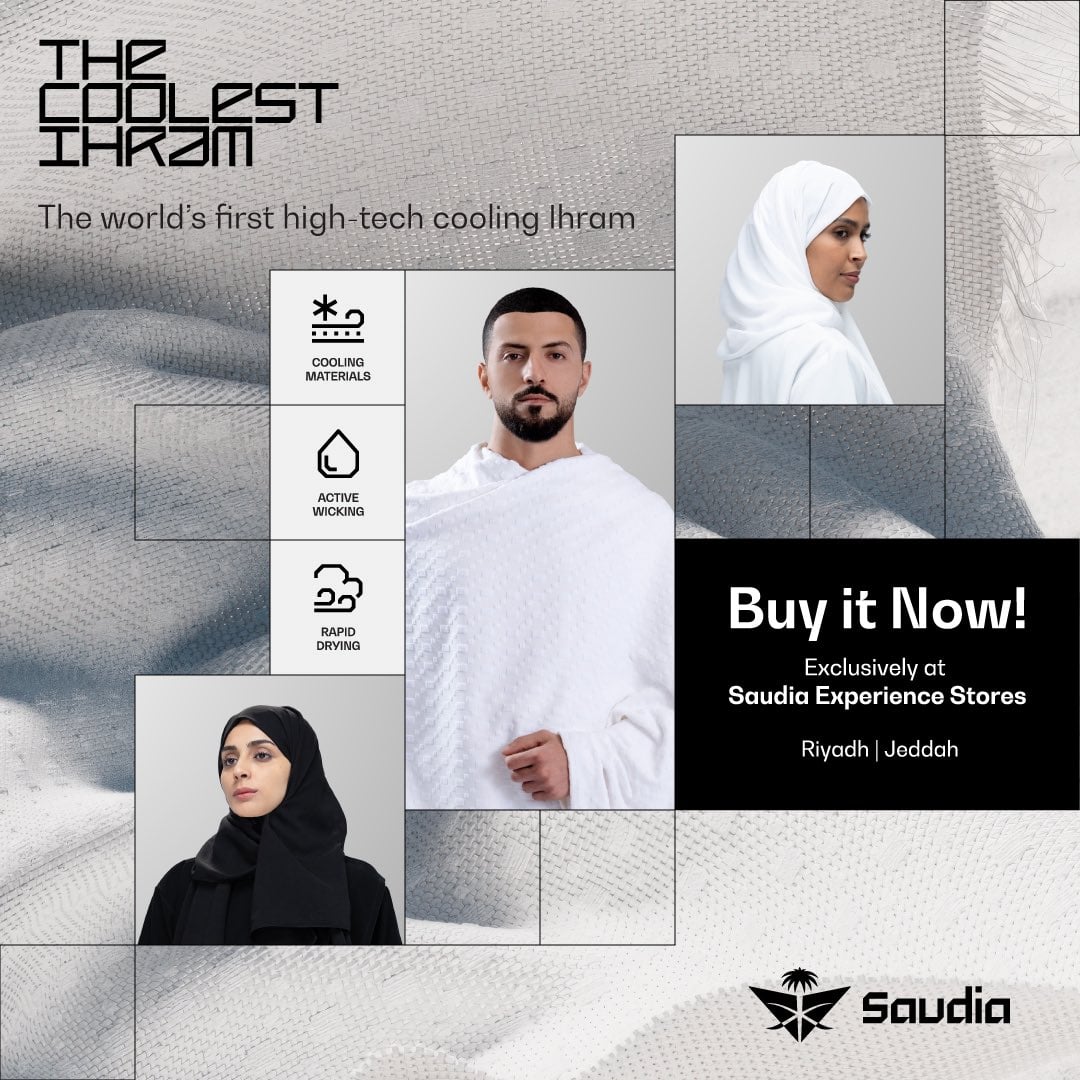
| The Coolest Ihram | Bronze Lion – PR | Saudia Airlines | Landor, Dubai | Saudi Arabia |
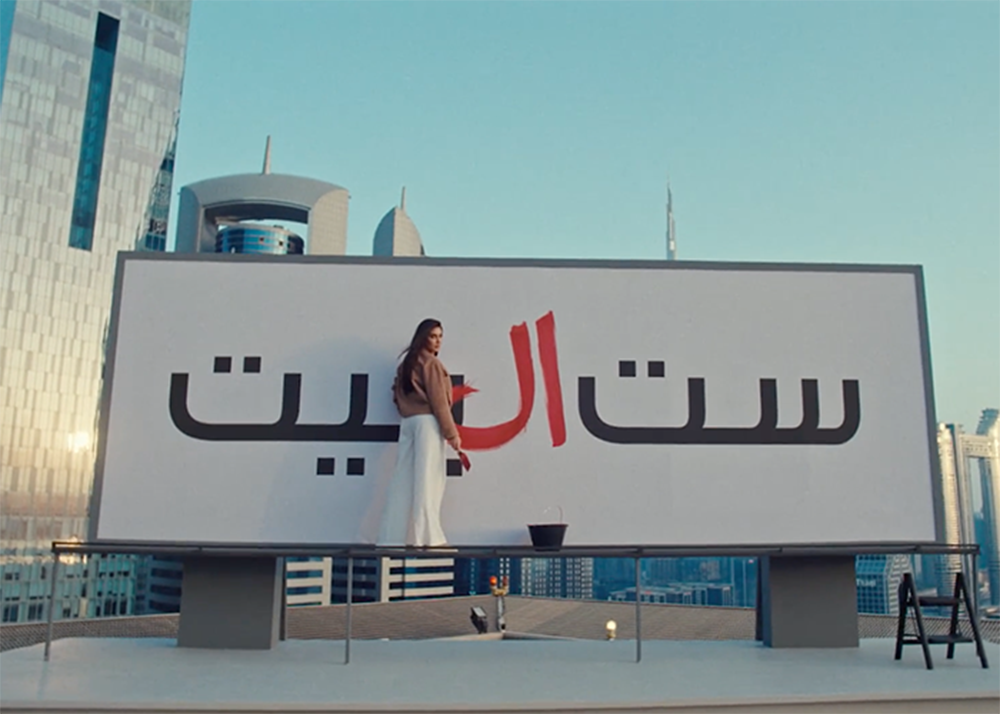
| Missing Letters of Worth / Sit Al Bait | Bronze Lion – PR | L’Oréal Paris | FP7 McCANN MENAT | UAE |
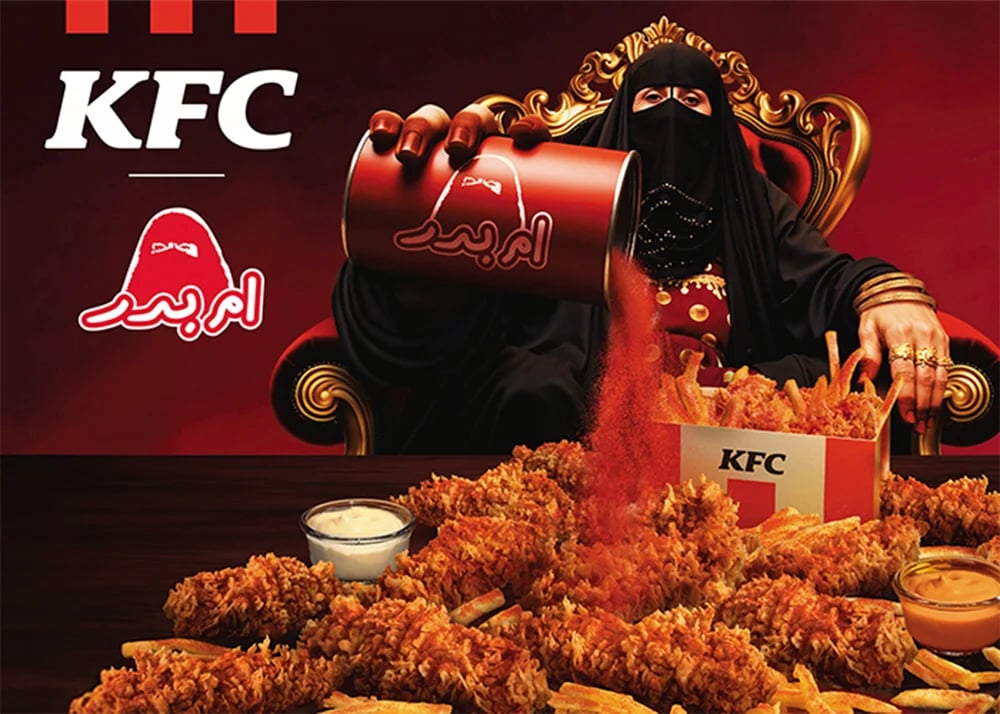
| Om Badr | Bronze Lion – Social & Creator | KFC | TBWA\RAAD | UAE |
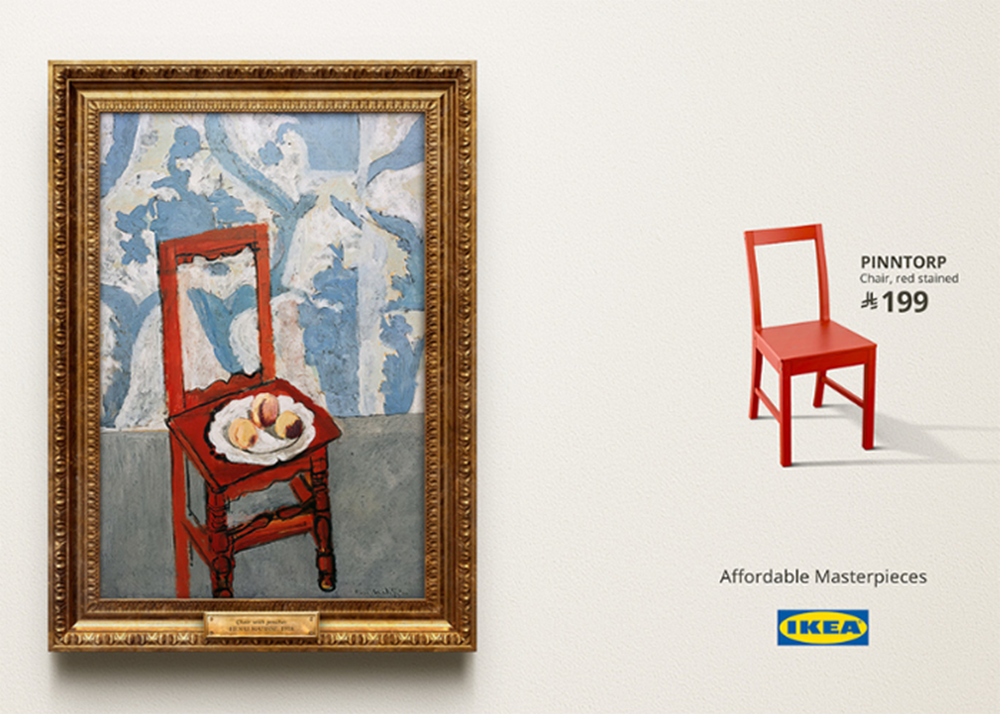
| Is that a Pinntorp? / Affordable Masterpieces | Bronze Lion – Print & Publishing Lions | IKEA AlSulaiman | Memac Ogilvy | Saudi Arabia |
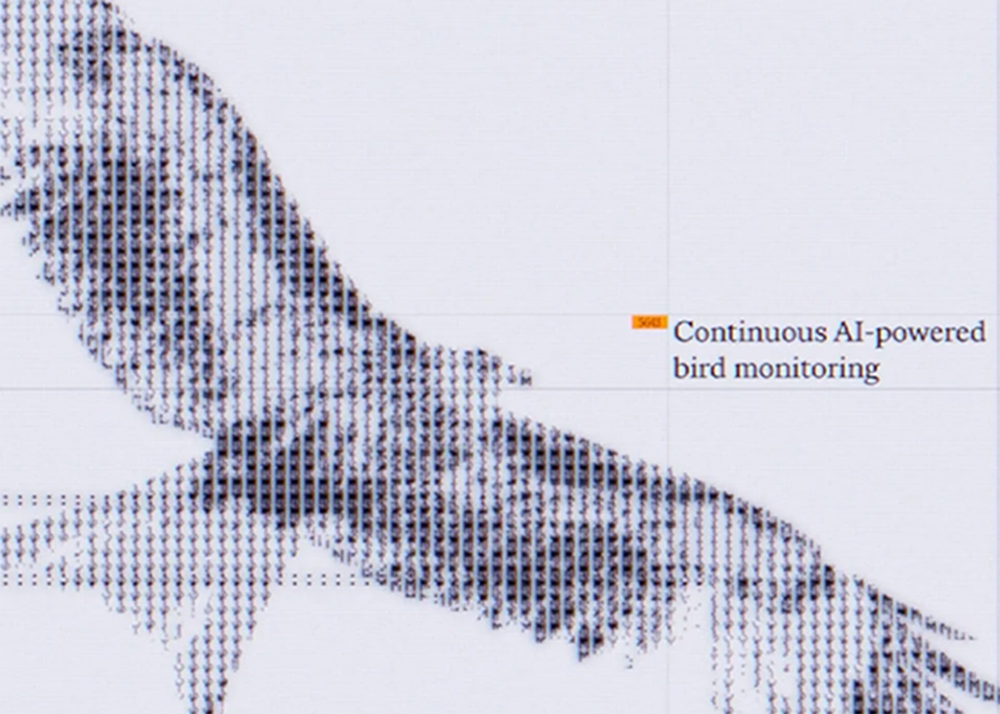
‘The Birdwatcher‘ campaign for Spoor by FP7 McCANN MENAT – about AI-powered bird monitoring for wind projects – won three metals cats. It was awarded a Silver Lion and Bronze Lion in the Digital Craft category, and another Bronze Lion in the Design category.
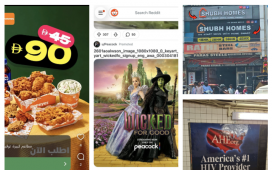
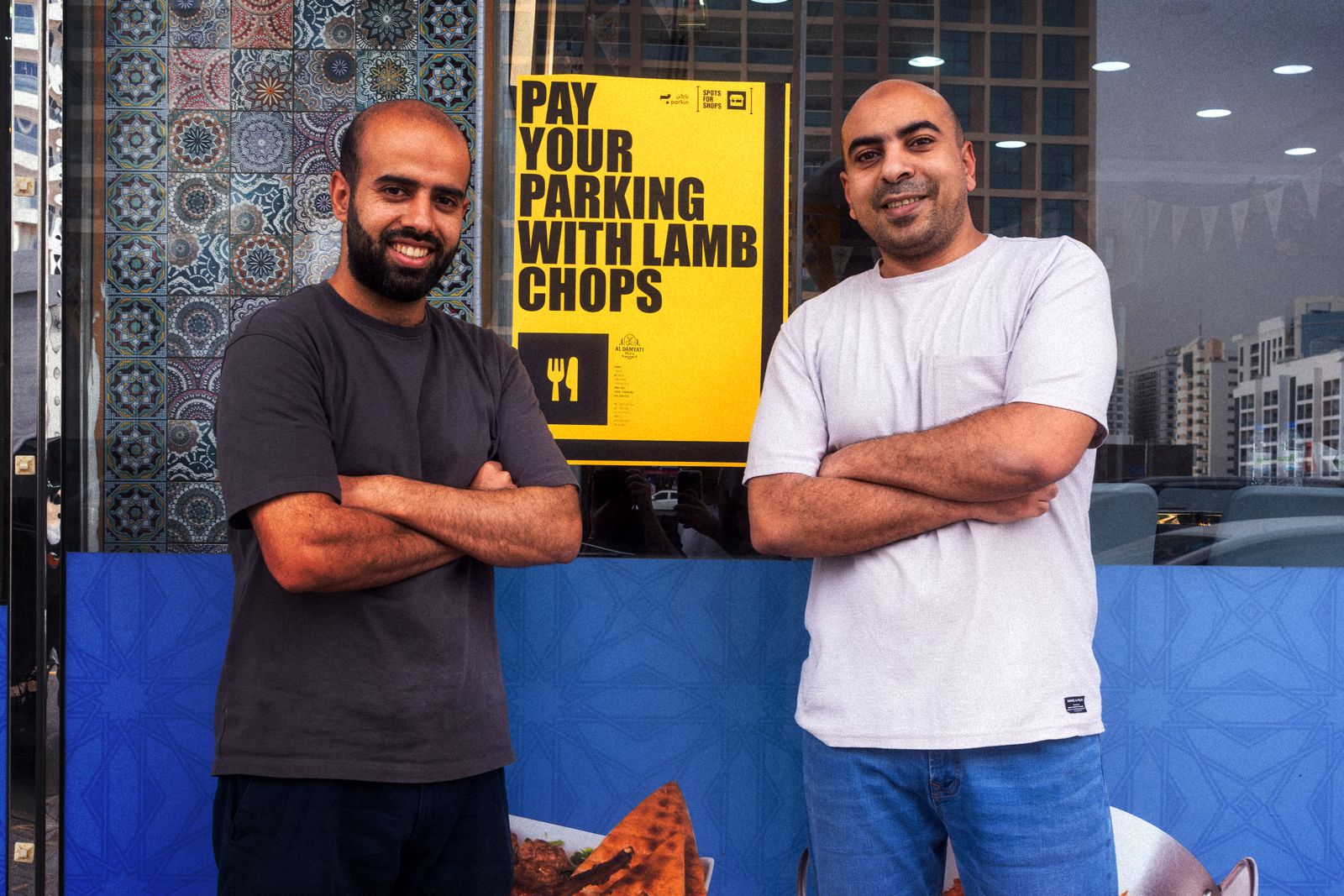
The ‘Spots for Shops‘ campaign for Parkin by FP7 McCANN MENAT in Dubai, UAE, won a Silver Lion and a Bronze Lion in the Media category.
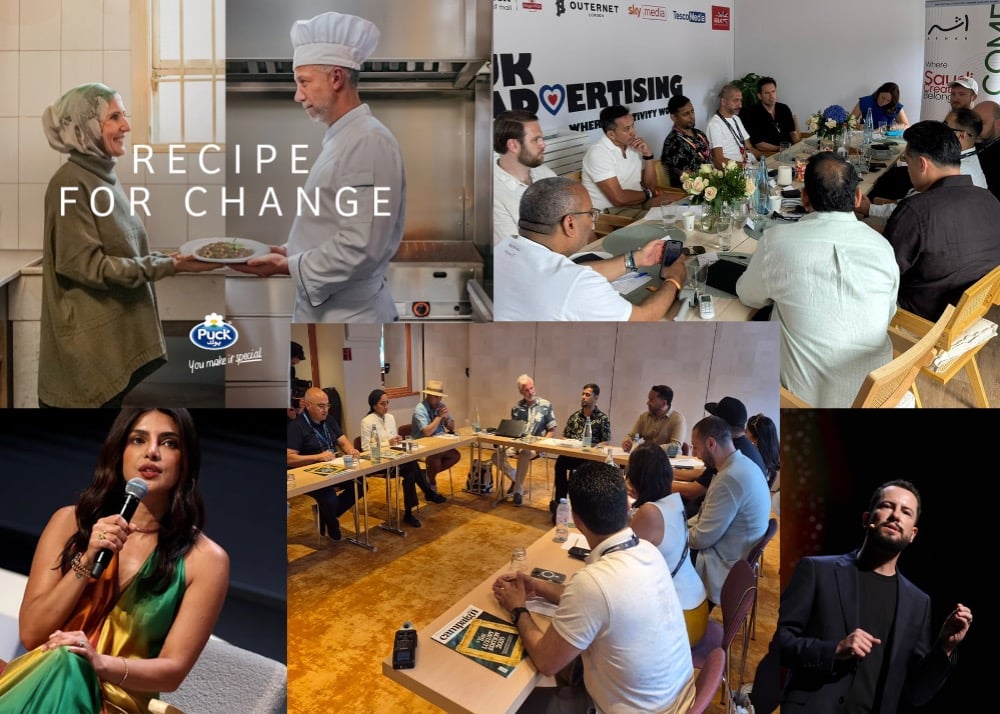
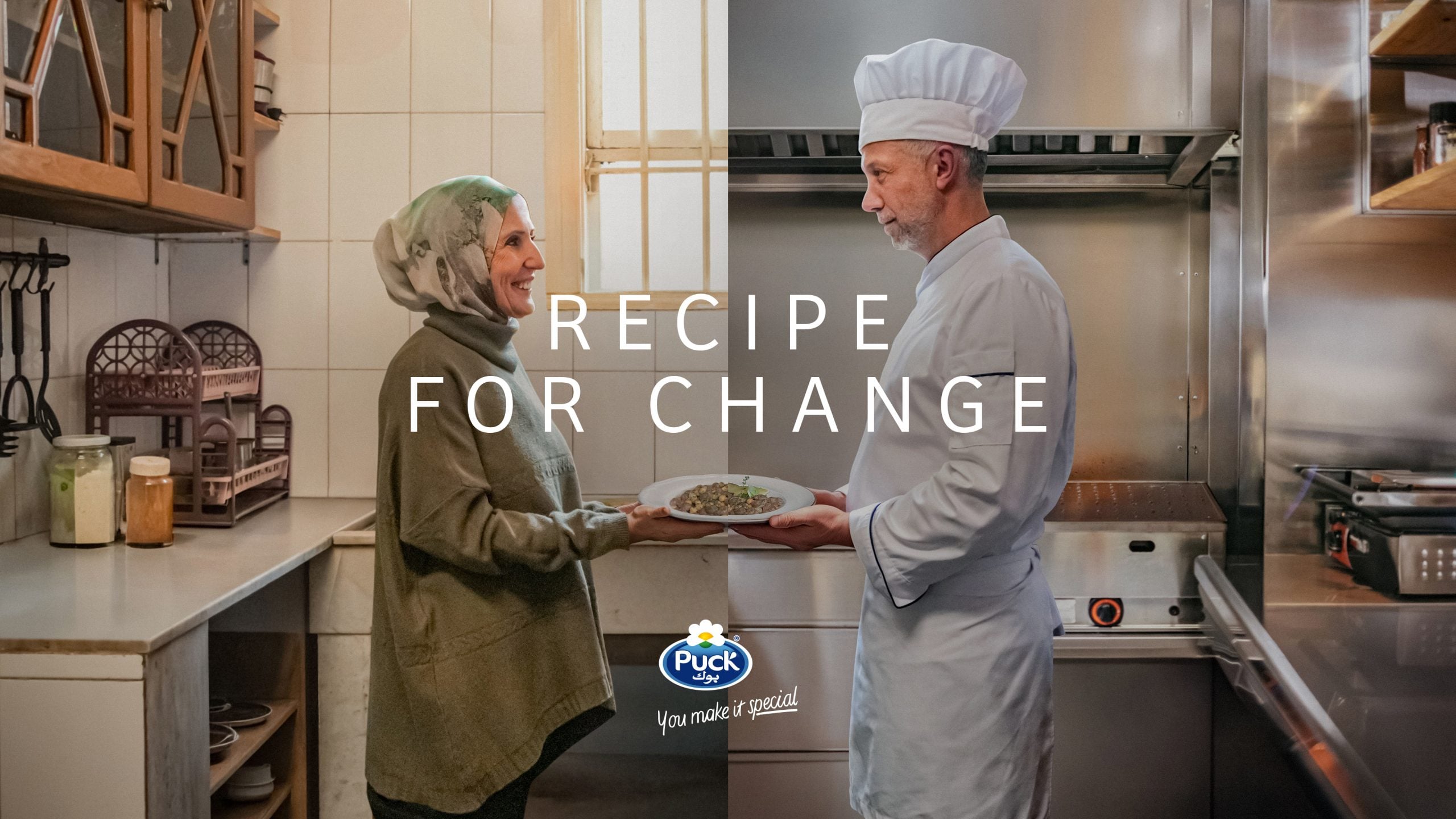
The ‘Recipe for Change‘ campaign for Puck under Arla Foods by FP7 McCANN MENAT in Dubai, UAE, also won a Silver Lion and a Bronze Lion in the Media category.
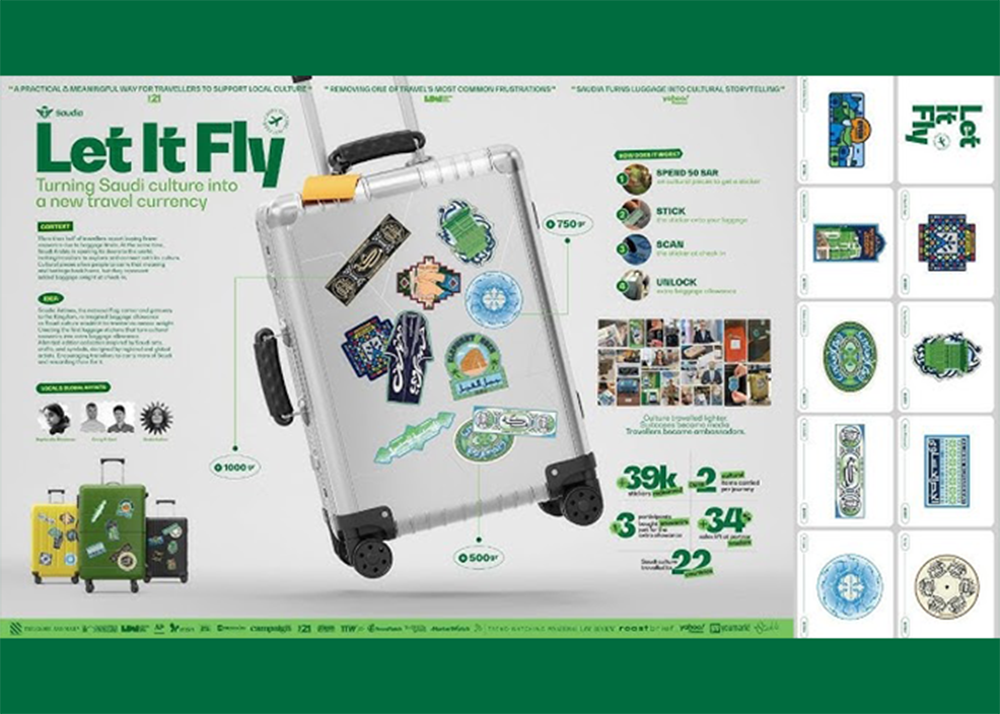
The ‘Let It Fly‘ campaign for Saudia Airlines by Publicis KSA, Jeddah and Saatchi & Saatchi Middle East claimed a Silver Lion in the Outdoor category and a Bronze Lion in the Direct category.
‘The Ring: The Legacy Continues‘ brand campaign by BigTime Creative Shop in Riyadh was also honoured with a Silver Lion in Film Craft category.
The ‘Untaught History Edition‘ campaign for Annahar by IMPACT BBDO was awarded a Bronze Lion in the Media category.
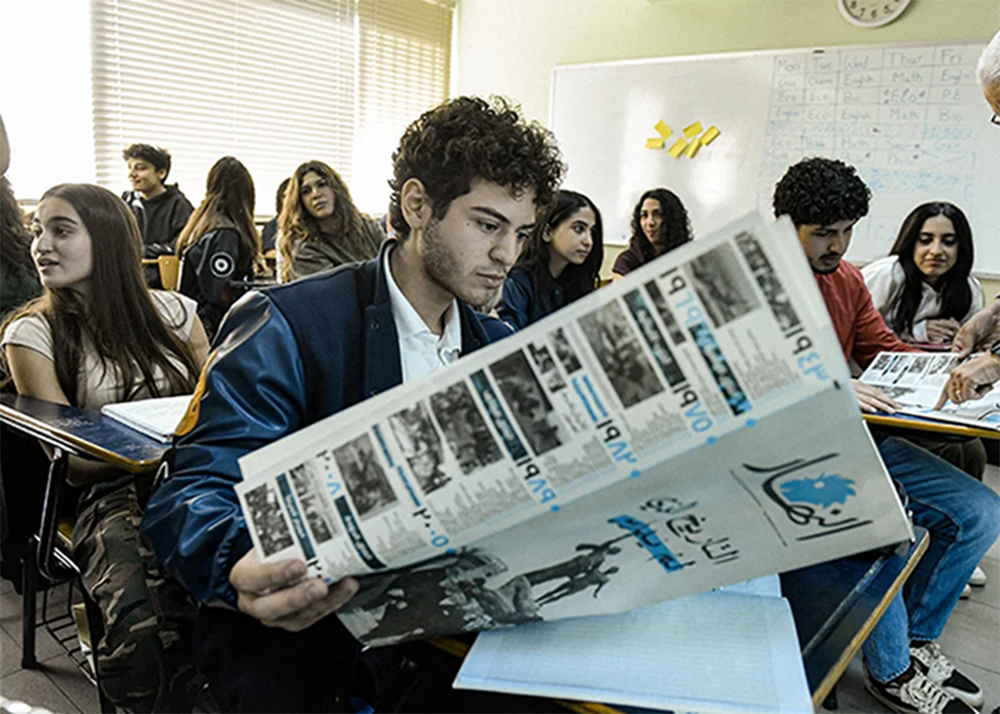
The ‘Laws Under Attack‘ campaign for the International Committee of the Red Cross (ICRC) by TBWA/RAAD was awarded a Bronze Lion in the Media category.

‘The Coolest Ihram‘ campaign, brought to life by Landor, Dubai, for Saudia Airlines in Saudi Arabia was handed a Bronze Lion in the PR category.
The ‘Missing Letters of Worth / Sit Al Bait‘ campaign, brought to life by FP7 McCANN MENAT, for L’Oréal Paris in the UAE was handed a Bronze Lion in the PR category.
The ‘Om Badr‘ campaign for KFC by TBWA\RAAD in Dubai, UAE, won a Bronze Lion in Social & Creator category.
Memac Ogilvy‘s ‘Is that a Pinntorp?’, which is part of its ‘Affordable Masterpieces‘ campaign for Saudi Arabia’s IKEA AlSulaiman, picked up a Bronze Lion in the Print & Publishing Lions category.
‘The Unburied Casket‘ campaign for Women for Change by Edelman SA, Johannesburg, in partnership with Edelman Middle East.

Click here to find out all the top contenders for Cannes Lions awards from the Middle East region.
Unilever’s Leandro Barreto at Cannes Lions 2026: “Are we creating things people ignore? Would this still travel if the media money stopped?”
After days of discussions focused on platforms, performance and production scale, Leandro Barreto, CMO, Unilever Beauty & Well-Being, began Day 3 at Cannes Lions by speaking the quiet part out loud.
He brought the discussion back to a harder question: why should anyone care enough to pass a brand’s idea on?
His argument was not anti-technology. It was anti-waste. In a marketing economy where distribution has become easier, faster and cheaper, the real shortage is not content. It is meaning.
Barreto pointed out how brands have become highly capable at producing assets, variants and messages. Yet, production does not equal propagation.
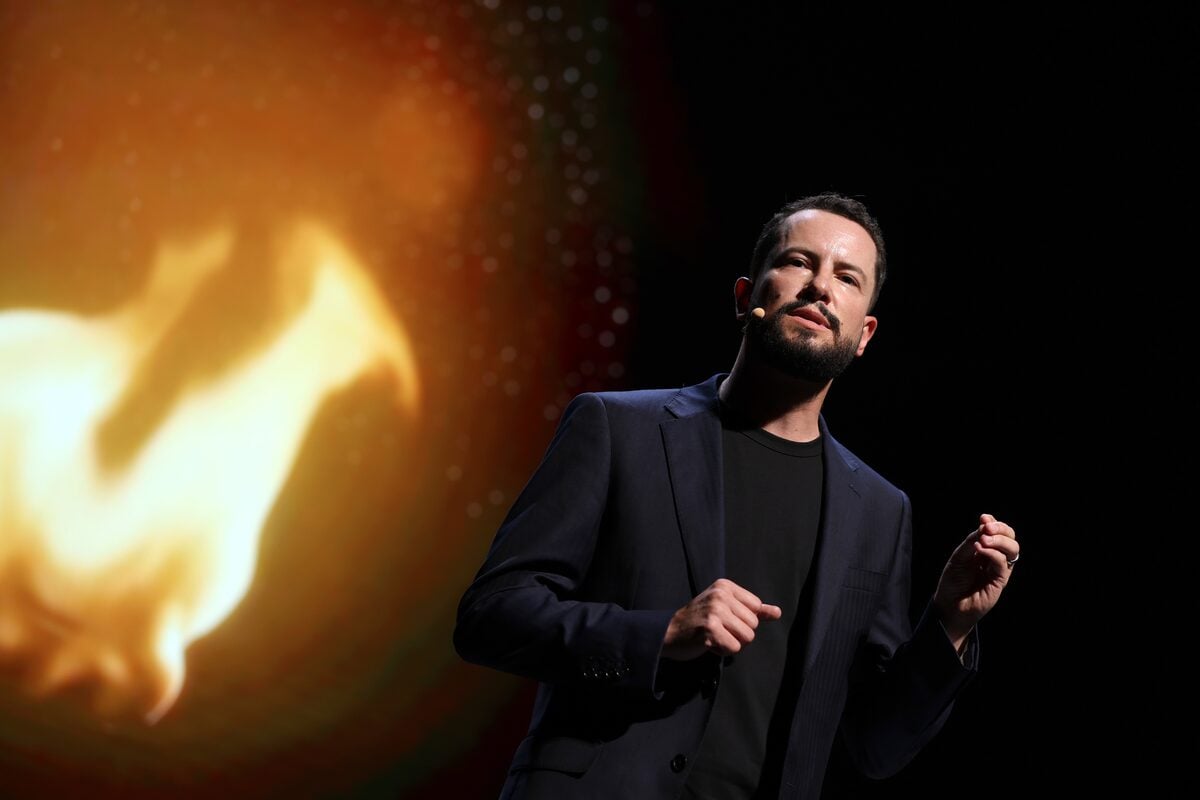
“Somewhere along the way, value has been replaced by volume,” said Barreto on stage at the Debussy Theatre inside the Palais at Cannes.
He warned that marketers are becoming “incredibly efficient in creating things that people ignore. Yet most of what we create will never travel.”
That line should sting a little because, according to him, much of the industry has quietly confused output with impact.
“We have built large machines for serving content, but not always enough discipline around whether the work deserves to move,” Barreto said.
Barreto’s central provocation was that brands can no longer behave as if they alone own the narrative. In a culture shaped by creators, communities and recommendation loops, growth increasingly depends on whether people outside the company choose to give the idea momentum.
“At Unilever, we have decided to stop asking what our brands want to say and start asking what others want to talk about our brands. It’s a shift from ‘what we do want to say’ to ‘what do others want to carry’.”
That is a subtle but significant shift. It moves marketing away from message control and towards cultural usefulness. It also asks a more uncomfortable question of every campaign: would this still travel if the media money stopped?
For Barreto, the answer begins with understanding how influence really works. Brands often describe themselves as social-first, creator-first or platform-first. His view is more grounded. People are influenced by the groups they trust, the conversations they belong to and the signals they recognise as meaningful.
“This is about how demand gets created. People listen to the recommendations of their communities,” he said. “It’s not about going social first, it’s about going reality-first.”
That distinction matters, particularly for senior marketers who have seen several cycles of channel obsession come and go. The platform may change. The human behaviour beneath it is far more durable.
This is where creators enter the discussion, not as rented reach, but as interpreters of culture. Barreto pushed back against the tendency to treat creators as another line item in the media plan. The better partnerships, he suggested, happen when there is genuine alignment between the brand, the creator and the community they serve.
He added, “We treat creators like a channel. We reduce them to distribution to media inventory,” Leandro said. “But they don’t carry things because you pay them. They carry them because it means something to them, because they care, because their community cares. When someone really cares enough about your brand to make it part of their identity, you don’t control that, you earn it.”
That is a useful reminder in an industry still tempted to buy proximity to culture rather than do the harder work of earning a role within it. A creator can amplify a brand, but cannot manufacture belief where none exists.
Barreto also reframed consistency. It is not the lazy repetition of old assets, nor is it change for the sake of change. It is the careful management of a brand’s meaning over time, with enough confidence to let audiences participate in shaping its expression.
“Consistency is not repetition. It is stewardship,” he said. “It requires marketers to be willing to surrender control. Can we, as marketers, get out of our own way? True longevity means giving even more power to our communities, really letting them co-create with us to gather all the features.”
That is a difficult idea for brand guardians raised on control systems, approval chains and fixed guidelines. Yet in today’s environment, rigidity can suffocate relevance. The job is not to loosen everything, but to know what must be protected and what can be handed over.
Barreto described the craft of modern brand-building through a memorable pairing: poetry and plumbing.
“Poetry represents consumer intimacy, cultural relevance, creative courage…” the ability to think creatively and in a non-linear way. “Without poetry, nothing matters,” he said. “Plumbing, on the other hand, is all about the tools, systems, and technology that allow a story to scale. Without plumbing, a great idea stays entirely local.”
It is a strong metaphor because both sides are necessary. Poetry without plumbing remains a beautiful fragment. Plumbing without poetry becomes an efficient delivery system for work nobody asked for.
“So, what is actually worth passing on?” asked Leandro.
That may be the question Cannes needed. Not how many assets can be made. Not how efficiently they can be served. Not whether the dashboard is green by Friday. The more important test is whether the idea has enough human charge to leave the brand’s hands and still survive.
Marketers, Barreto suggested, should interrogate their work with tougher questions: “Are you building something worth passing on? Do you trust people enough to repeat? Can you let them make it their own? Who carries your fire?”
Closed-door round table discussions at Cannes Lions 2026
Campaign Middle East Editor Anup Oommen moderated two, invite-only round table discussions at Cannes Lions, including one hosted by the UK Advertising Association and the Athar Festival at Empower Beach, and another hosted by Haymarket UK and Bloomberg Media at the Campaign House at Hilton Canopy Hotel in Cannes.
Stay tuned for detailed coverage from each of the round table discussions within Campaign Middle East’s continued coverage.
For those looking for a quick overview:
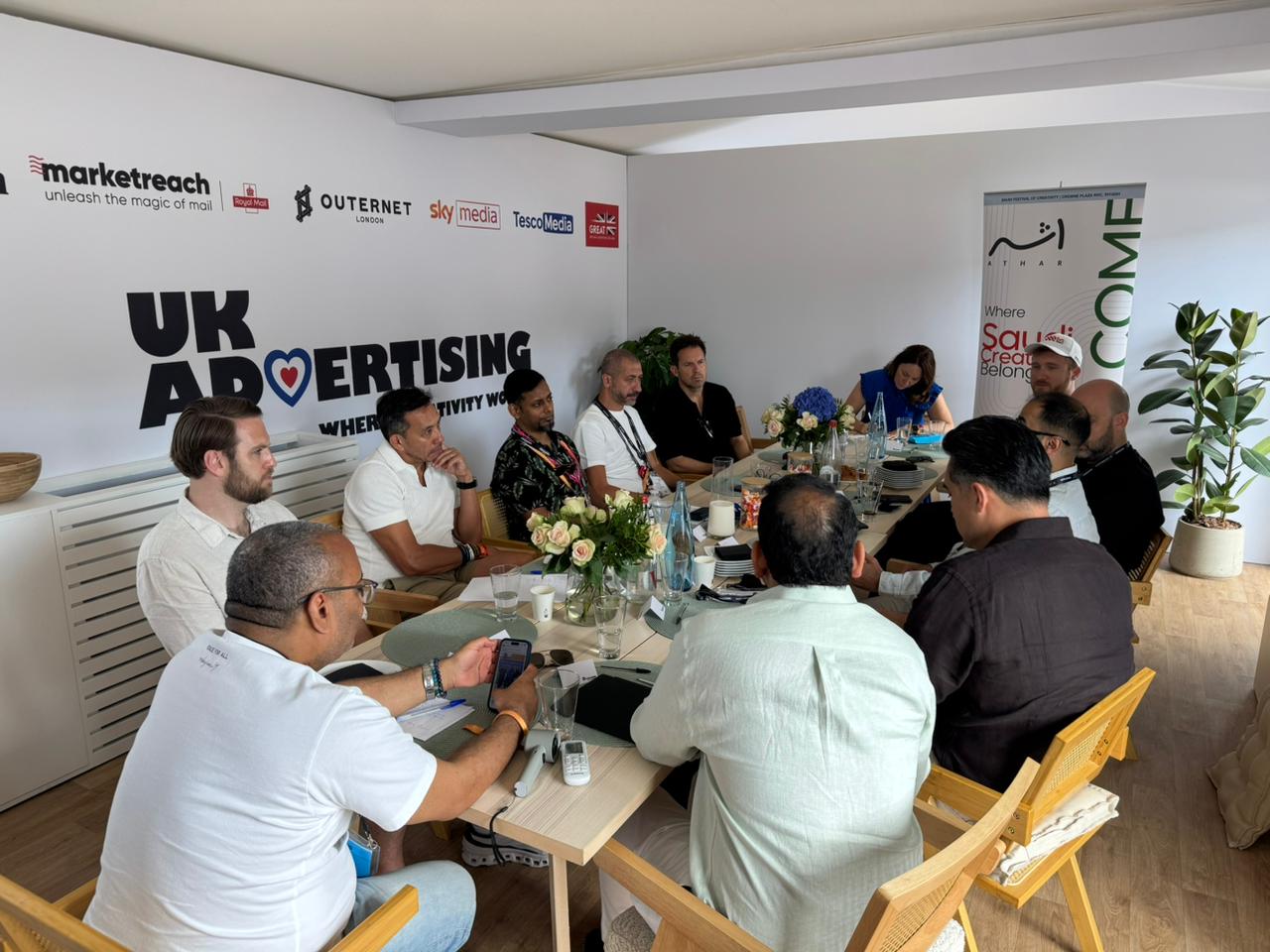
The first round table discussion focused on developing a sustained UK–Saudi creative corridor emphasising long-term partnership, shared learning and mutual brand and business benefits.
Senior leaders in the room stressed shifting from short-term activations and performance-only KPIs to growth-focused metrics that align marketing creativity with business outcomes such as ticket sales, tourism footfall, and conversion. Clients called for creative work that demonstrably drives commercial impact.
Trust was discussed as foundational and bi-directional. Building trust requires relationship investment, consistent delivery on promises, and demonstrating commitment beyond transactional interactions. Participants emphasised belonging — mutual cultural alignment and long-term loyalty — as critical to sustaining collaborations.
Practical measures included talent secondments, joint offices or integrated teams, skills development, and shared access to tools and data. These steps were framed as necessary to scale capabilities and develop a deeper belonging in Saudi while enabling partners to learn from local pace and execution.
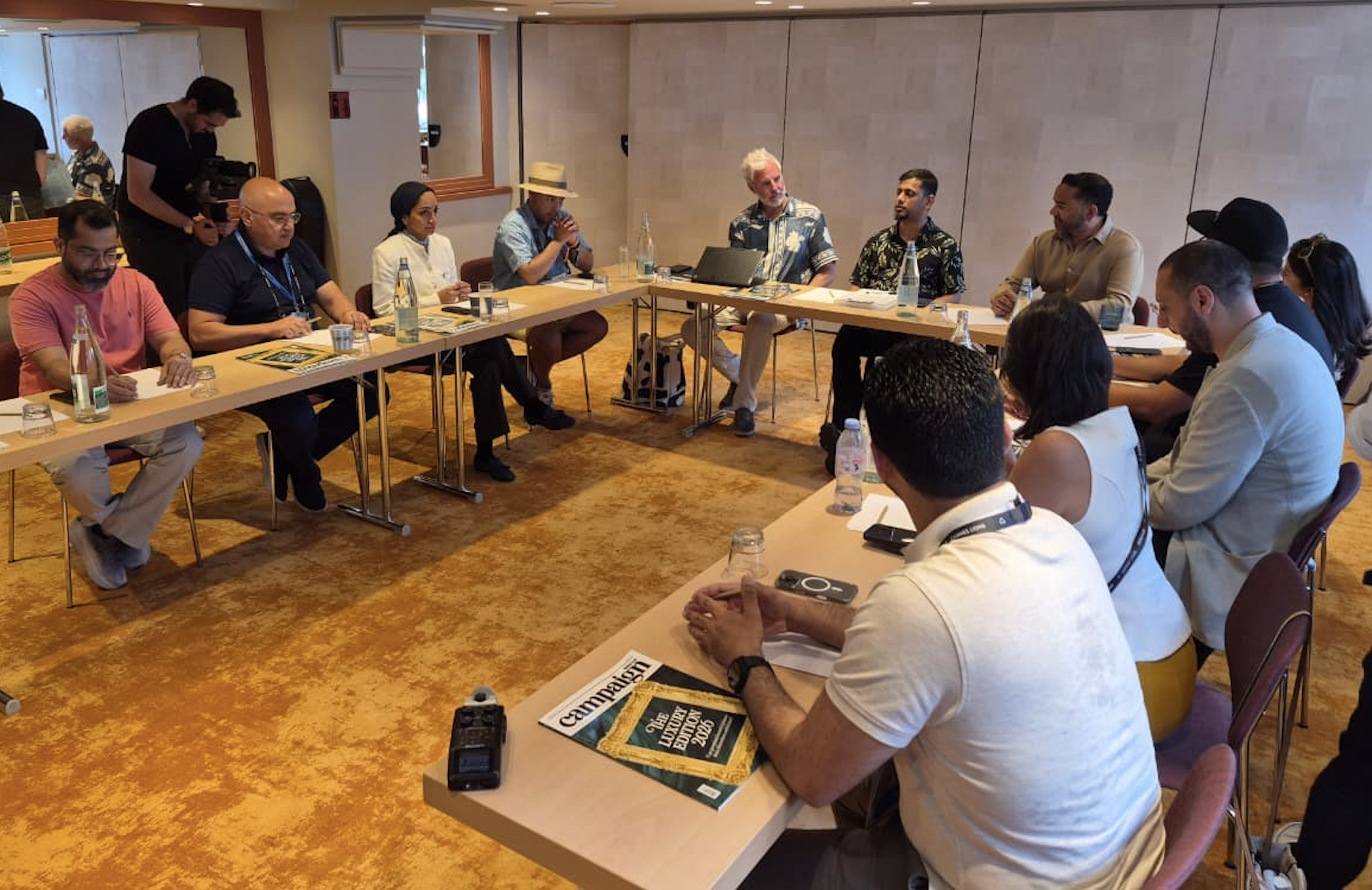
The second round table discussion explored what constitutes meaningful thought leadership in an era shaped by AI, focusing on credibility, license to offer thought leadership, relevance and practical guardrails.
Participants agreed that thought leadership must do more than generate impressions; it should provoke action, influence perspectives, or change decisions for specific target audiences such as business leaders, policymakers or sectors such as healthcare and energy.
Content that prompts new ways of thinking or leads to measurable change was identified as higher-value than content produced solely to boost metrics. Credibility and accountability emerged as central themes. Falsifiability — producing positions that can be tested over time — was proposed as a mechanism to increase ownership and credibility.
The group also emphasised the role of provenance: who is writing, who is editing, and how many layers of approval shape the final piece. Ghostwriting, heavy agency input, overuse of AI in creative output and multiple approvals risk diluting original subject-matter expertise and authenticity.
Audience value was emphasised over self-serving KPIs. Purpose and intentionality — being clear about who the piece is for and what change it seeks — were identified as important layers. Measuring success was framed as a journey rather than a fixed formula: qualitative signals such as direct messages, follow-on conversations, or behavioural change can matter more than likes and impressions.
Several concerns and opportunities were noted: the sea of generated content risks sameness unless authors are bold and original; trust is becoming a scarce currency; and AI could help discover overlooked experts who have lived experience but lack exposure.
Priyanka Chopra: “Attention is borrowed, trust is earned”
Day 3 of Cannes Lions 2026 also witnessed Priyanka Chopra Jonas, Actor, Producer and Entrepreneur, answering the question: what does it take for a story, a film or a brand to move across cultures without losing what made it matter?
Calling it one of the most defining creative challenges of our time – Jonas offered a timeless solution: originality. Not adaptation. Not universal appeal. The work that travels furthest is the work that commits most fully to a singular vision.
Chopra Jonas reminded brands and agencies that people can look away at any time.
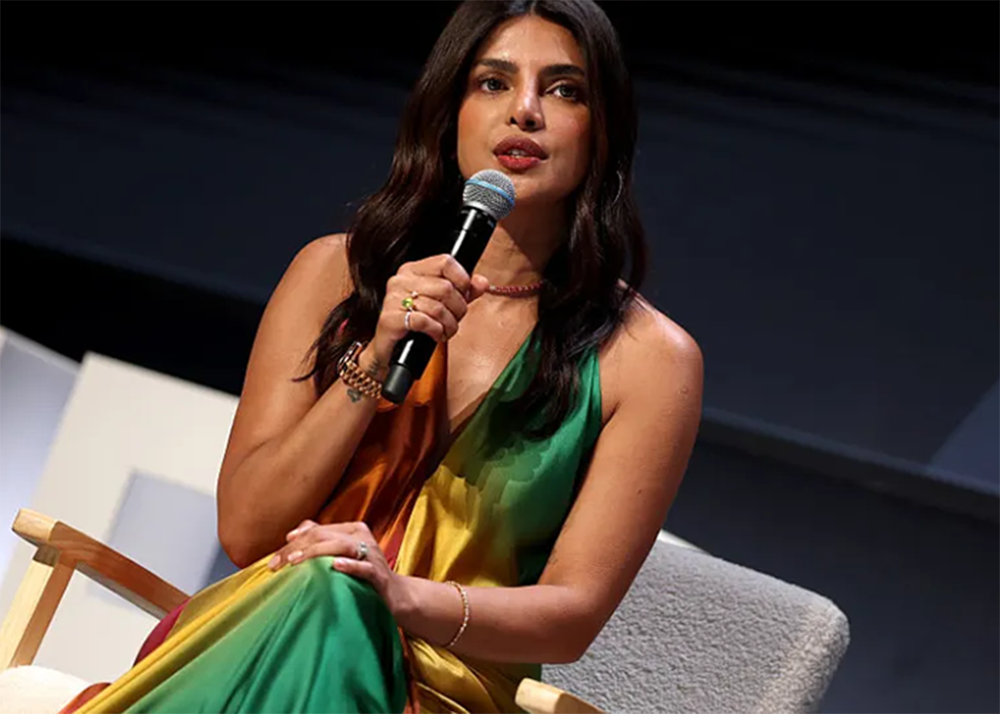
For marketers, this remains an uncomfortable reality of the current landscape: audiences are not waiting for another campaign, another collaboration or another carefully polished brand narrative. Her message was clear: attention is not an entitlement. It is a privilege that must be earned again and again.
“The most important thing is to not take your audience for granted,” Chopra Jonas said. “Not take love and attention that they give you for granted.”
That comment landed heavily in a marketing environment still tempted by the illusion of reach. Scale can put a brand in front of people, but it cannot make them care. Chopra Jonas’ career has moved across cinema, production, entrepreneurship and global markets, framed attention as something fragile rather than permanent.
The tension between evolution and authenticity is where many brands struggle. Change too little, and the brand becomes wallpaper. Change too much, and it loses its own reflection. Chopra Jonas’ point was that reinvention only works when it is anchored in something true.
She also challenged the industry’s long-standing obsession with flawlessness. For years, brands and public figures were trained to polish away the rough edges. But audiences today are often more responsive to honesty than choreography. Imperfection, when genuine, can build a stronger bridge than performance.
“That emotional connection came from saying I made a mistake,” she said. “I was not perfect one time. I had a bad day before I went and gave a speech and I fumbled my words.”
That kind of admission may sound simple, but for brands built on control, it is often difficult. Yet, the human signal is precisely what makes people lean in. Chopra Jonas argued that credibility does not come from appearing untouched by difficulty, but from allowing people to see effort, vulnerability and intent.
The old model relied on distance, polish and mystique. The current one rewards proximity, consistency and proof. For brands, that means partnerships cannot be treated as borrowed credibility. They need to be rooted in actual fit.
There is a useful lesson here for any marketer looking at ambassadors, creators or cultural collaborations. The audience can usually tell when a partnership has been bought but not believed. Visibility may deliver the first glance, but conviction is what carries the message further.
Other leaders who took the stage on Day 3 at Cannes Lions included Eli Lilly and Company‘s Lina Polimeni who shared her take on how to build a brand to last; a brand that’s about integrity and trust; a brand that has a long-term North Star, an ownable voice and a timeless positioning.
American Eagle CMO Craig Brommers discussed a world full of contradictions, explaining why social media often distorts public sentiment and how AI-powered insights help brands reconnect with audiences they’re missing. Brommers shared strategies for avoiding knowledge gaps and ways to build messaging that resonates beyond the marketing bubble.
YouTube’s Chief Business Officer Mary Ellen Coe discussed a shift in sports marketing: how the athlete is now the network, exploring how highly authentic athlete digital content is outperforming traditional sports broadcasts in engagement, why prime-time viewing has shifted to YouTube on the living room screen and how brands can gain access to passionate fan communities through creator athletes.
Stay tuned for continued coverage of the Cannes Lions International Festival of Creativity over the coming days.