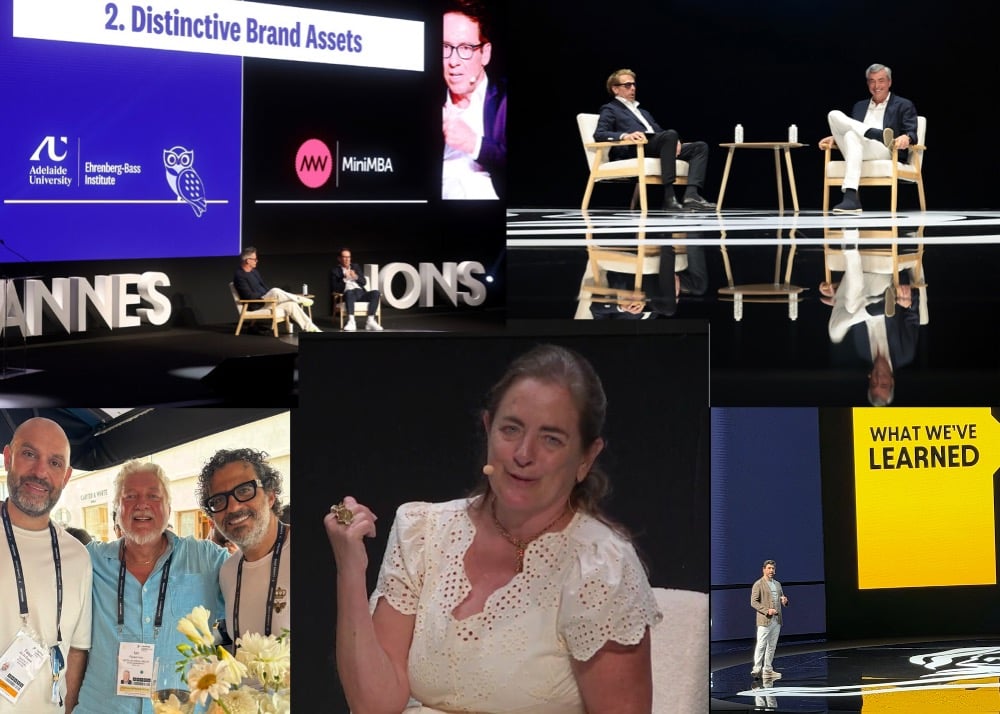
Day 1 at the Cannes Lions International Festival of Creativity 2026 set the tone for the five-day festival, with its share of award recognitions, free-flowing beverages, closed-door meetings, long hours of jury room deliberations, networking events and long queues along the Croisette for people looking to enter the beach activations.
There were also plenty of fascinating conversations across all the indoor stages – which offered a bit of a respite from the soaring temperatures. More than 13,000 attendees from more than 90 countries, including global celebrities, musicians and athletes, touched down in Cannes.
View this post on Instagram
Campaign Middle East was on-ground speaking to regional and global marketers, and keeping a close eye on shortlists and award wins. The Middle East region claimed two wins on Day 1 of Cannes Lions 2026.
The ‘Let It Fly‘ campaign for Saudia Airlines by Publicis KSA, Jeddah and Saatchi & Saatchi Middle East claimed the region’s first Silver Lion in the Outdoor category.
Memac Ogilvy‘s ‘Is that a Pinntorp?’, which is part of its ‘Affordable Masterpieces‘ campaign for Saudi Arabia’s IKEA AlSulaiman picked up a Bronze Lion in the Print & Publishing Lions category.
View this post on Instagram
Click here to find out all the top contenders for Cannes Lions awards from the Middle East region.
Five lessons from AB InBev’s Cannes moment
Each year, Cannes Lions honours an organisation that has demonstrated outstanding and sustained commitment to creativity,. The 2026 Creative Marketer of the Year was awarded to Marcel Marcondes, Global Chief Marketing Officer of AB InBev, making it the first company in history to receive this accolade three times.
Marcel Marcondes’s Cannes Lions speech – the opening keynote, which set the tone for the entire five-day festival – was less a victory lap than a field note from a long commercial march. He framed creative effectiveness and craft not as decoration, but as disciplined operating muscles of the industry.
For marketers who have spent decades watching brands rise, drift and recover, his message was familiar but timely: the craft still matters, but so do restraint, patience and the human judgement.
He called for humans to drive the vehicle of advertising in an increasingly autonomous world.
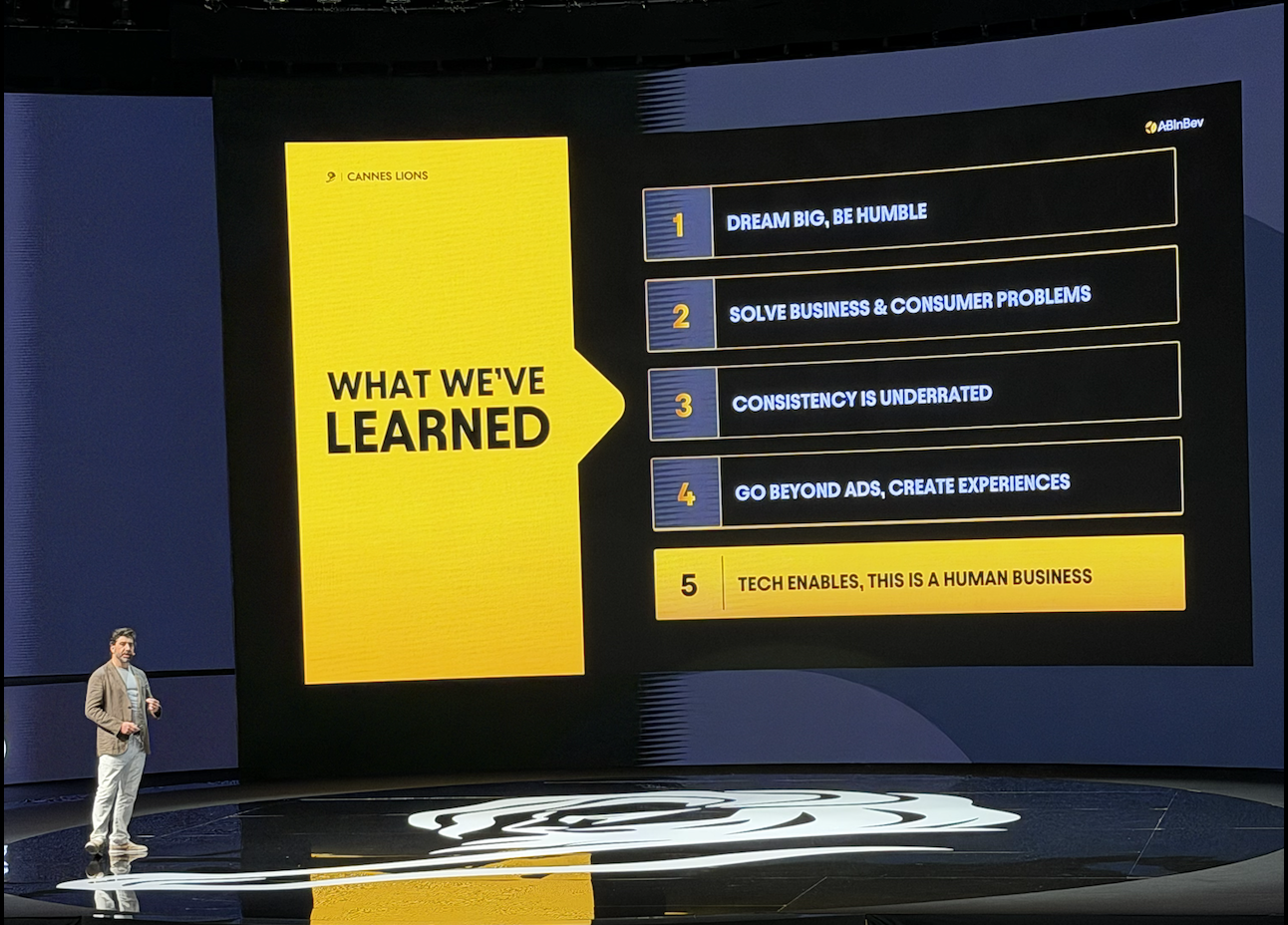
The first lesson was about ambition without self-importance: Dream big, but be humble. Although AB InBev had scaled through deals, Marcondes argued that size alone did not make it a better brand builder.
“A lot of people confuse dreaming big with being arrogant,” said Marcondes. “Ego vanity is the number one enemy in our industry.”
Humility, he suggested, must be paired with a target big enough to unsettle the organisation. The company had to admit gaps, then build the system, language and routines to close them.
“It takes the same efforts to dream big or to dream small, so why to dream small?” he asked.
View this post on Instagram
His second point was a word of caution, holding brands and agencies accountable to their role within marketing: to solve business and consumer problems.
While acknowledging the award win, he explained that awards can become mirrors, and mirrors are dangerous if the business starts admiring itself instead of serving people.
“We are here to solve business and consumer problems to drive growth, and creativity is a great enabler for that,” Marcondes said.
The third lesson was the least fashionable and perhaps the most important: in an industry addicted to fresh starts, brands must stop acting like one-off campaigns and begin behaving like long-lived institutions.
“Consistency compounds over time,” Marcondes said. “For the long-term it is gold.”
From there, he moved the conversation beyond communications into the realm of consumer participation. Advertising still has its place, he said, but argued that true affection and brand love is built when people enter the world of a brand, not just observe it from the pavement.
“Go beyond ads, create experiences,” Marcondes advised. “It is one thing is to say something, and show and tell, but it is another thing is to feel, to live, and to experience the brand,” he said.
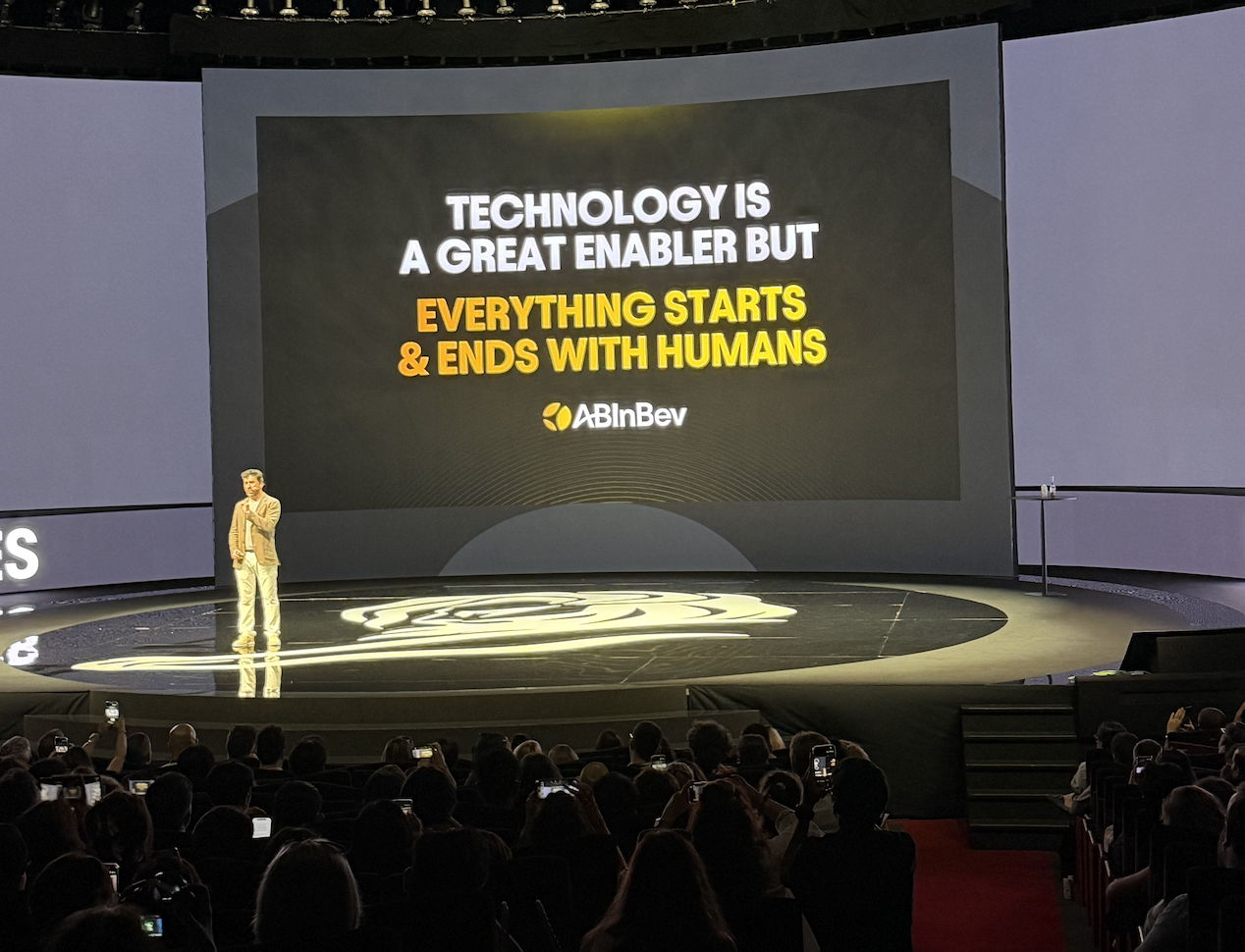
His final point was about technology’s proper place. Data, artificial intelligence (AI) and digital channels can sharpen timing and scale, but they cannot replace instinct, trust or taste.
“Technology is amazing as an enabler,” Marcondes said. “But humans need to start and finish.”
All in all, Marcondes’s five points are not new commandments carved in stone. They are more like a head chef’s secret recipe: simple ingredients, carefully balanced, but easily spoiled when ego, output over outcomes, or soulless machinery take over.
For seasoned marketers, the speech’s real value was its insistence that effectiveness is built slowly and consistently over time. Big dreams need humility, creativity needs purpose, brands need memory, experiences need texture, and technology still needs people at both ends of the table.
Cannes Lions honours Susan Credle and Eddy Cue
The celebration of creativity has always been the beating heart of Cannes Lions, and the Lion of St. Mark recognises individuals who have made significant and lasting contributions to the industry.
This year’s Lion of St Mark was handed to Susan Credle, whose career spans more than four decades and has helped shape some of the most iconic and effective work in modern advertising.
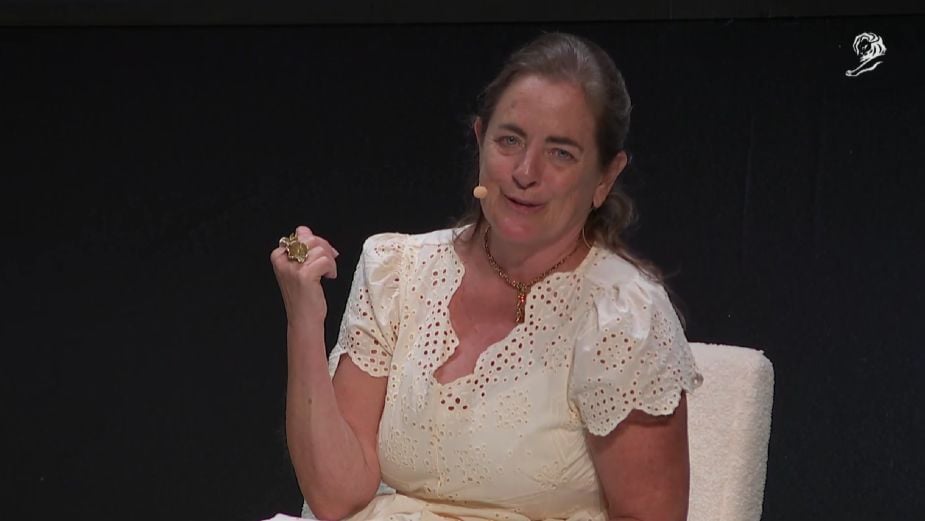
From cheerleading as her “first job in copywriting”, Susan shared her life’s work, which included launching the beloved M&M’s characters to guiding enduring platforms such as Allstate’s Mayhem and McDonald’s Happy Meal literacy campaigns.
The key takeaway was that this work consistently combined creativity with cultural and commercial impact.
Credle said, “Advertising must be a beautiful blend of creativity with the structure of outcomes and business. Also, a lot of times we want to save the world and we think that may need a serious approach, but that’s not always true. I was listening to a podcast on which they said, ‘Do you know the one piece that has made the world care about oceans the most over the past few years? It’s the move Finding Nemo.’ I found that beautiful, because sometimes we get so serious while solving problems, but I’d like us to go back to storytelling and joy and touching people’s lives emotionally.”
This year’s recipient of the Entertainment Person of the Year was Eddy Cue, SVP of Services at Apple.
As the architect of Apple’s services and entertainment strategy, Eddy Cue has overseen the creation of one of the world’s most distinctive creative studios.
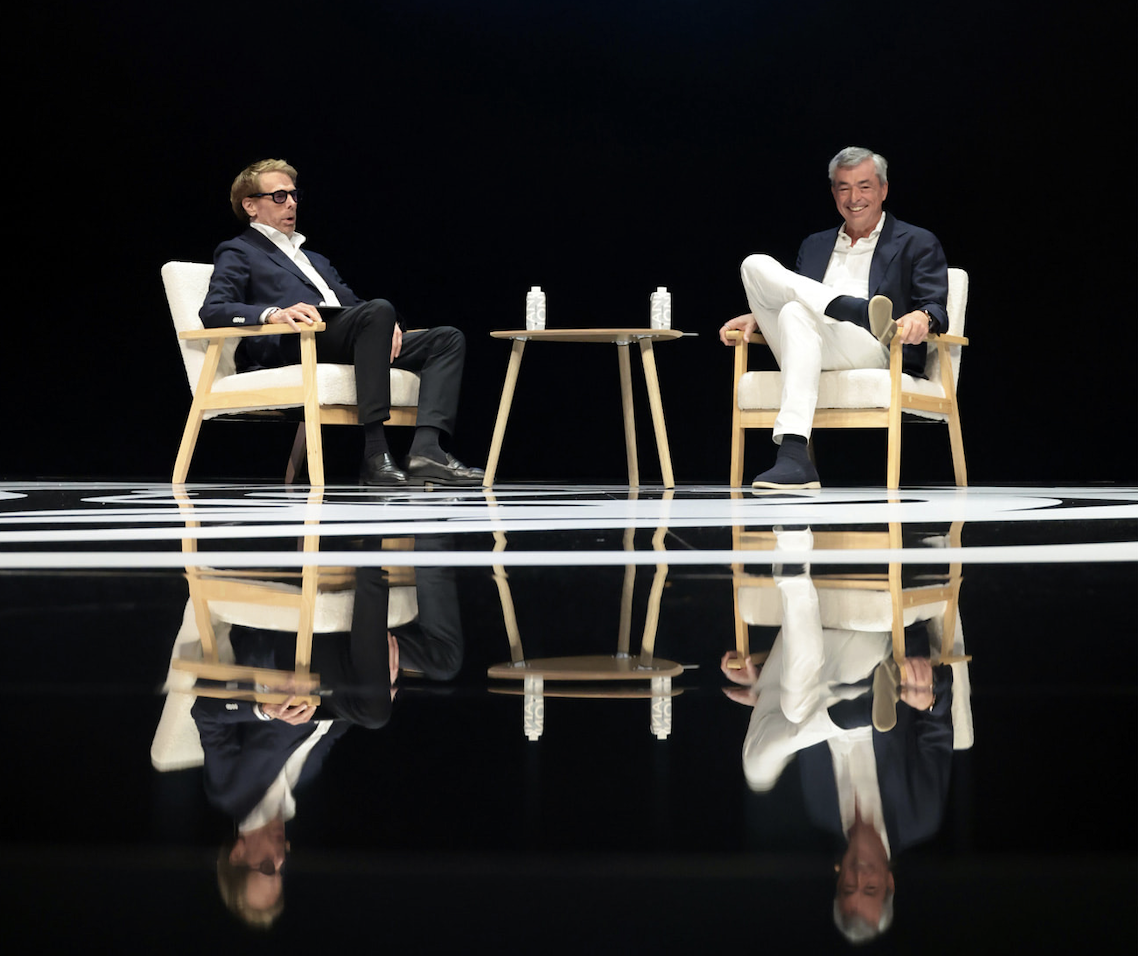
Under his leadership, Apple TV established itself as a home for acclaimed storytelling in television and film, earning critical recognition, and building a reputation for quality and creative courage.
After accepting the award from Cannes Lions CEO Simon Cook, Cue said, “We’ve never strived to be the most. We strive to be the best. When we started Apple TV nearly seven years ago, we said, let’s build the place that allows the best storytellers in the world to do their best work.”
He added, “Stories can make you laugh, cry, think and many other emotions. They connect us. Across language, across culture, across everything. That’s what we’re all about at Apple, so stay tuned for more. We’re just getting started.”
View this post on Instagram
Are we confusing industry enthusiasm with consumer reality?
Marketing’s favourite comfort blankets were pulled apart in a refreshingly direct session titled Five Marketing Truths We Can Actually Agree On.
Mark Ritson, Founder of MiniMBA, and Byron Sharp, Professor of Marketing Science and Director at The Ehrenberg-Bass Institute, took aim at purpose, over-targeting, inconsistency and the industry’s tendency to confuse internal enthusiasm with consumer reality.
Purpose received the sharpest blow. Ritson argued that it works for only a handful of businesses and becomes theatre when stretched across ordinary categories.
“Nobody cares about how your toothpaste feels about racial equality,” Ritson said. “Your job is to have better mental availability. Stop talking about what you stand for. Make sure your brand just comes to mind.”
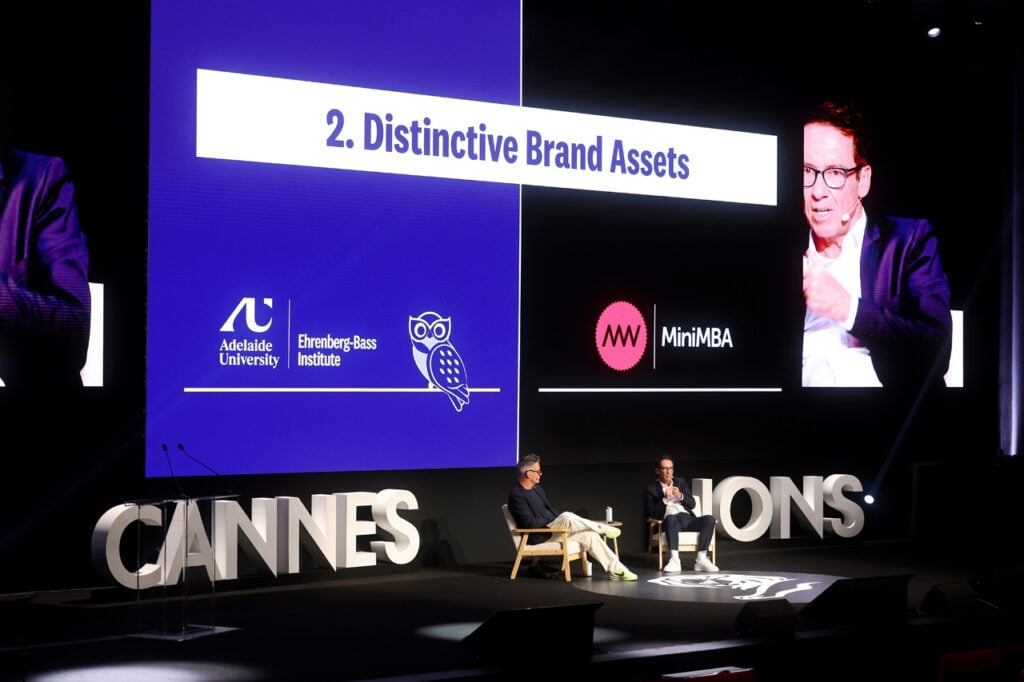
Sharp came at the same issue through evidence, saying purpose rarely shows up as a real reason for purchase. “No one goes into a thing going, yes, I want to say which is the brand that saves the dolphins,” Sharp said. He added that there was an ethical problem with “picking your favourite charity but spending your shareholders’ money on it.”
The conversation then moved to mental availability. Ritson said marketers must stop assuming people think about brands with the same intensity as brand teams do.
“My first point of training a brand manager is saying to them, ‘ Nobody cares about your brand,” Ritson said. “You have one brand in your mind eight hours a day, and the consumer literally has 700.”
On mass marketing, both argued for broad reach, but with nuance. Sharp said: “If you’re selling dog food, it’s dog owners. It’s not everyone in the world.”
Ritson supported broad brand building but defended sharper activation, citing the 95-5 rule: “The 95-5 is, first of all, true, but it’s also intuitive. Five per cent of your customers are in the market right now, and 95 per cent aren’t.”
The final truth was consistency. Sharp reminded marketers: “It’s not about you. It was never about you.” Ritson put it more memorably: “You’ve got to leave your cakes in the oven for longer.”
Conversations along the Croisette at Cannes Lions
Along the Croisette, on the yachts and inside the tents, the conversations across platforms and adtech circles were less about chasing impressions and more about earning attention.
The centre of gravity at Cannes Lions has clearly shifted. Brands are not only talking about how to reach audiences, but also how to matter within the moments, rituals, fandoms and communities that audiences already choose for themselves.
This is not a cosmetic change. It signals a deeper rethink of consumer engagement, where relevance is built through cultural participation rather than media presence alone.
The strongest brand opportunities now sit at the intersection of creators, AI, audio, search and community-led behaviour. In this environment, scale still matters, but scale without cultural fit risks becoming noise.
One of the clearest themes was the expansionary role of AI in search and discovery. As consumers become more comfortable asking broader, longer and more complex questions, search behaviour is widening rather than narrowing. AI-ready campaigns are opening up new query spaces that marketers may not have reached through conventional search strategies.
For experienced marketers, the implication is significant. Search is no longer merely a response channel for existing demand. It is becoming a discovery environment shaped by curiosity, context and conversational intent. That requires brands to think beyond keywords and towards usefulness, relevance and presence across a more fluid decision journey.
Generative AI also emerged as a creative accelerator. The point was not that AI replaces human imagination, but that it can remove friction from the process, helping teams explore, test and scale ideas faster.
Despite advances in media targeting, creative remains one of the most powerful levers of performance. Better targeting can find the audience; better creative gives that audience a reason to care.
The other major theme was the rise of what was described as the “YouTube Era”. Creator partnerships are becoming central to both brand-building and performance agendas, particularly as audiences place trust in creator-led content.
For brands, the opportunity lies not in renting creator reach, but in building partnerships that feel native to the platform, the creator and the community.
Taken together, the conversations pointed to a more demanding but more interesting marketing landscape: AI is reshaping how people discover and decide. Creators are reshaping how people trust and engage. Culture is reshaping where brands need to show up.
Campaign Middle East’s Cannes MENA Mixer in partnership with Bloomberg Media
To close out Day 1 at the 73rd Cannes Lions International Festival of Creativity, Campaign Middle East, in partnership with Bloomberg Media, hosted the second iteration of its annual Campaign Cannes MENA Mixer.
The event welcomed more than 100 high-level clients, partners, brands and agency leaders from across the region’s media and advertising industries.
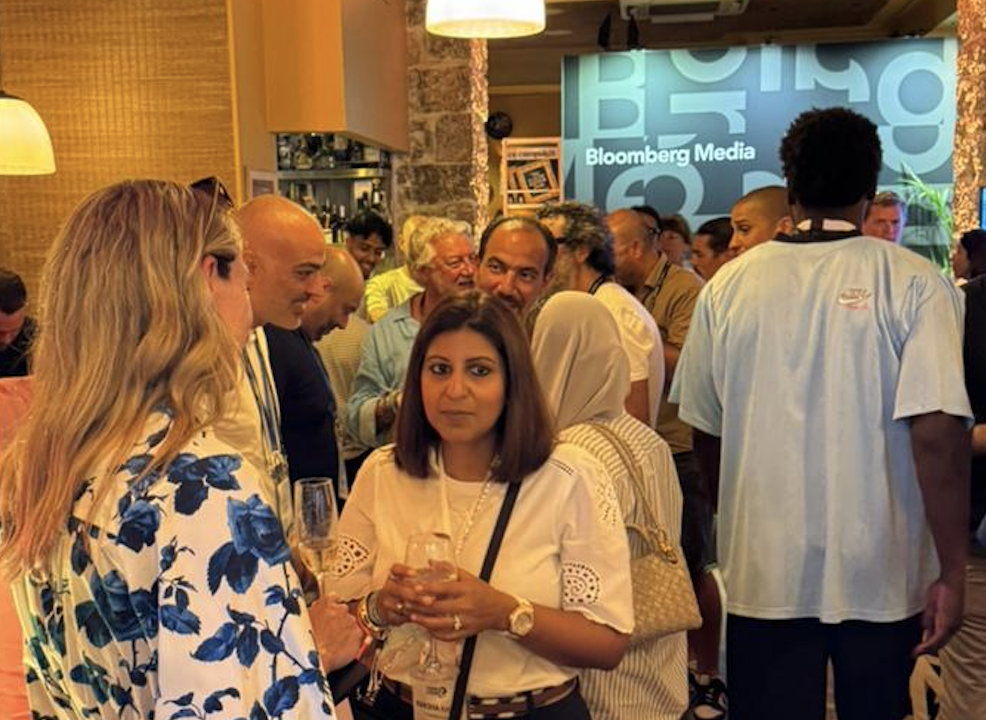
Despite difficulties faced due to geopolitical crisis in the Middle East region, and its financial fallout, the MENA industry turned up in large numbers, proving the region’s tenacity and resilience on the global stage.
Key leaders who were in attendance at the exclusive invite-only event included Ian Fairservice, Managing Partner and Editor in Chief, Motivate Media Group; Declan Gough Group Business Director, Haymarket Media Group; Khaled AlShehhi, Executive Director of Marketing and Communication, UAE Government Media Office; Ghassan Harfouche, Group CEO, MCN; Ashish Verma, Global Head of Creative and Global Head of Bloomberg Media Studios; Mohammad Al Nimer, Chief Commercial Officer, Esports World Cup Foundation; Ali Rez, Chief Creative Officer, IMPACT BBDO; Habiba Allam, Creative Director, Careem; and Jason Murison, Creative Lead, DAMAC Properties; among many others.
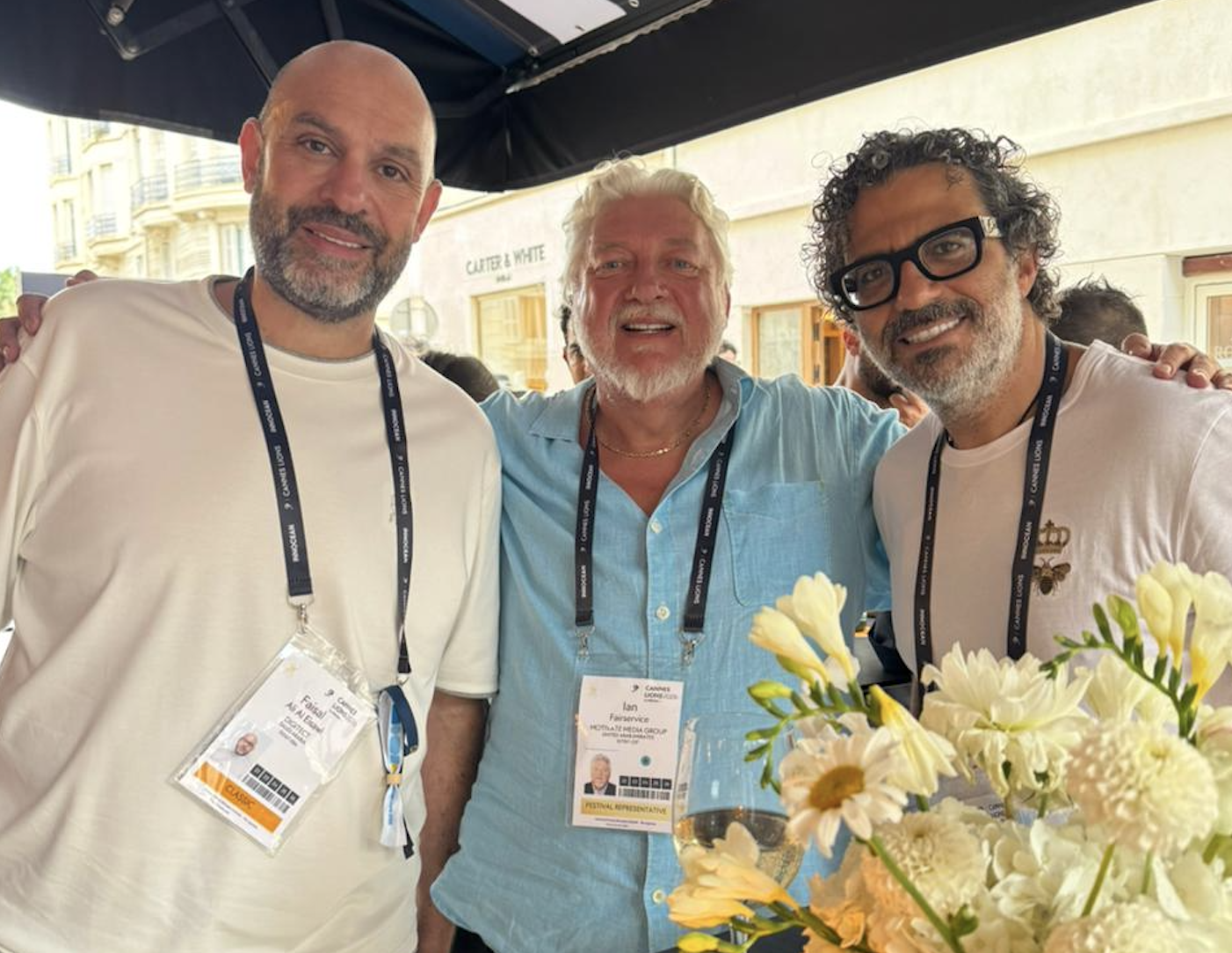
Stay tuned for continued coverage of the Cannes Lions International Festival of Creativity over the coming days.