

The spend-and-get era of loyalty is hitting a ceiling in the Middle East and Africa, where 33 per cent of consumers now explicitly demand gamified experiences. To thrive in 2026, CMOs must shift from transactional carrots to liquid loyalty, a blend of advanced gamification and sustainability.
This evolution transforms loyalty from a traditional cost center into a high-performance engine for emotional engagement.
Why the earn-and-burn loyalty model is obsolete in 2026
For decades, the Middle East and Africa loyalty landscape operated on a simple, linear premise: “Buy X, get Y later.” However, this spend-and-get era is reaching a point of diminishing returns. Consumers are becoming increasingly immune to discounts. Relying solely on extrinsic motivators (such as cashback or points) creates a relationship where the customer’s loyalty is only as strong as the next competitor’s coupon.
This systemic decline in effectiveness is driven by three primary structural failures:
1. The reward latency gap: Modern consumers, particularly the mobile-first Gen Z demographic, operate in real-time. A model that requires weeks of earning before a burn event creates a psychological disconnect that leads to churn.
2. The invisible brand syndrome: When loyalty is reduced to a line item on a receipt, the brand becomes a commodity. Transactional programmes fail to occupy mental real estate because they lack interactive or emotional touchpoints.
3. The zero-sum discount race: Competing solely on price or point value erodes margins. Without a unique engagement hook, brands are forced into a race to the bottom that devalues the product and the relationship.
At Comarch, our 2025 data confirms that staying stagnant is a financial liability. Programmes that failed to evolve beyond transactional carrots saw a stagnation in customer lifetime value (CLV), while those adopting gamified, real-time mechanics saw a 16 per cent increase in qualified pipeline opportunities. To secure market share in 2026, the transition from a static cost center to a dynamic engagement engine is a matter of survival.
Gamification: The dopamine engine
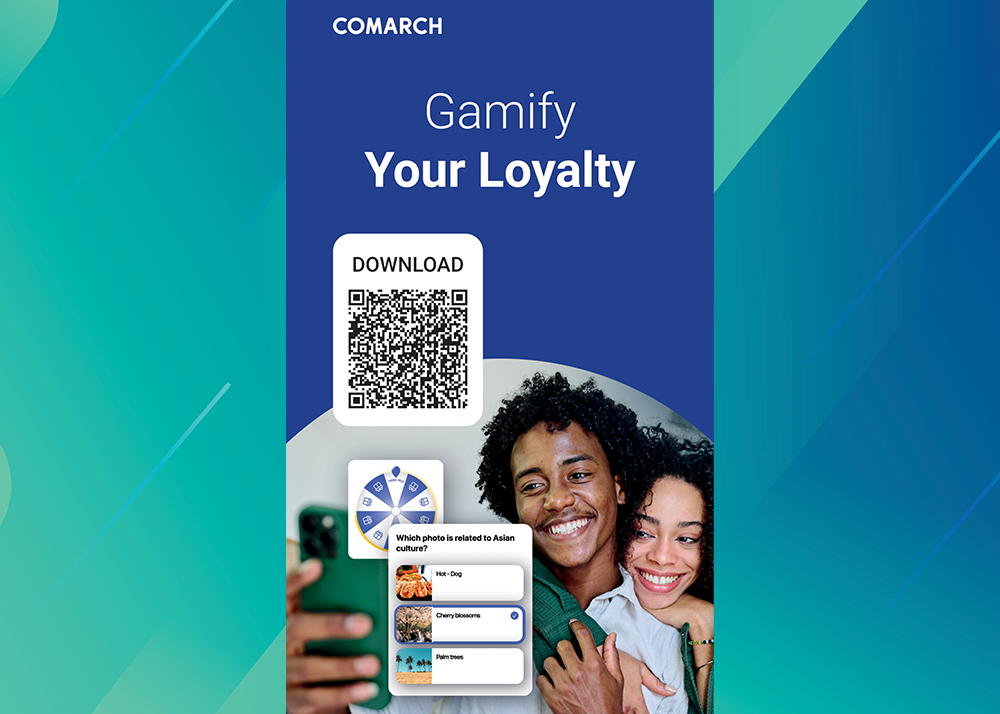
Gamification uses game-like elements – points, badges, challenges and leaderboards – to make non-game environments more motivating. For businesses, the results are tangible: a potential 47 per cent rise in engagement and a 22 per cent rise in brand loyalty.
In the MEA, where personalisation is a priority, AI-driven gamification allows brands to move from ‘one-to-many’ to ‘one-to-one’. To succeed in 2026, CMOs must transition toward intrinsic motivation, tapping into the internal desire for mastery and social influence rather than just ‘buy-get’ loops. This shift powers Liquid Loyalty, a dynamic ecosystem where interactions sync with the customer’s life rhythm.
Effectiveness depends on catering to specific player types, such as:
- The status seeker: Motivated by exclusivity and Platinum badges.
- The explorer: Driven by discovery, mystery rewards and ‘spin-to-win’ mechanics.
- The purpose seeker: A rapidly growing segment valuing brand alignment with personal ethics and green impact.
Brands adjusting their strategy, especially using AI, can transform passive members and discount-chasers into active advocates.
The pivot to sustainability: Trust over hype
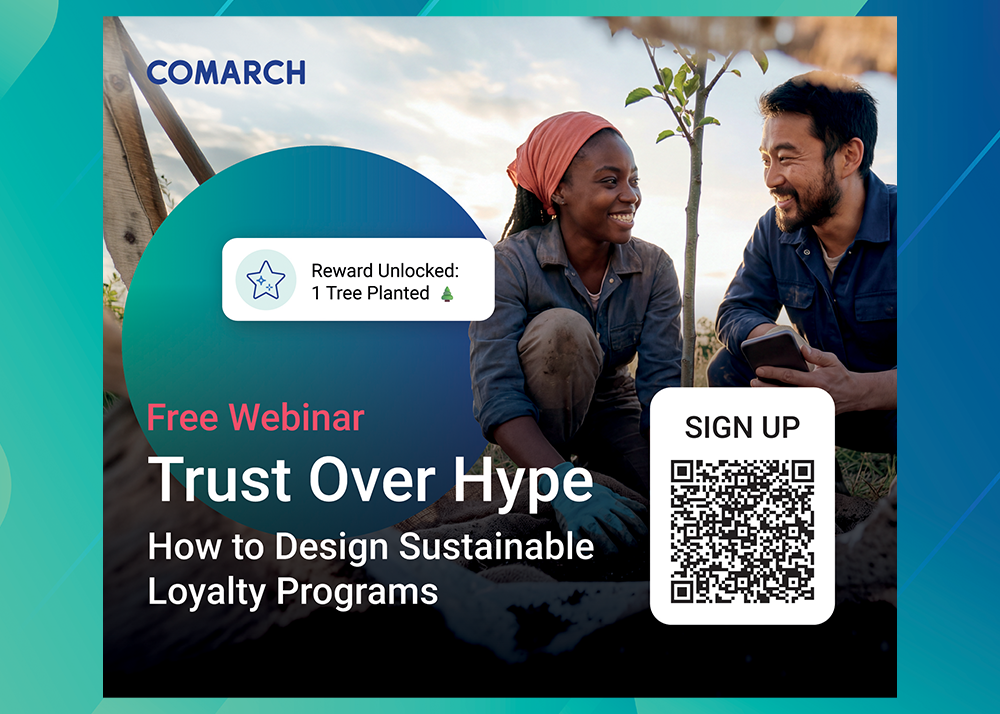
At the same time, the MEA market is also evolving toward a purpose-driven model. As highlighted in our webinar, Trust over Hype, consumers – particularly Gen Z and Millennials – increasingly expect brands to demonstrate a positive social impact.
The mistake many brands make is treating sustainability and gamification as separate silos. The most successful programmes in 2026 will be those that gamify sustainable behaviour. By creating sustainability-based challenges, brands can offer bonus points for recycling, choosing greener delivery options, or completing eco-friendly quests.
This approach addresses the ‘epic meaning’ driver, the feeling that a user is part of something bigger than themselves. When a member of a travel programmes sees their ‘carbon offset progress bar’ moving forward, the loyalty becomes an emotional partnership.
Strategic implementation: A blueprint for the board
For the board and C-suite, the primary concern is always: How does this impact the bottom line? At Comarch, we view loyalty not as an expense, but as a revenue-generating model.
1. Defining the mechanics (The ROI layer)
To turn a programme into a revenue stream, the mechanics must drive specific, profitable behaviours:
- Streaks: Encouraging daily app logins or weekly purchases to build habit formation.
- Tiers: Creating a VIP Status that encourages higher spend to unlock exclusive access.
- Treasure hunts: Using AR to drive foot traffic into physical retail locations to find hidden virtual rewards.
2. Avoiding over-gamification
A senior marketer must balance the Builder – straightforward value – with the Explorer –adventure and quests. Over-bombarding users with badges and pop-ups leads to progress fatigue. The goal is to keep it simple: one or two perfectly aligned mechanics that support a clear business goal.
3. Native vs. rented attention
There is a growing debate about connecting popular mobile games to loyalty programmes versus building native experiences. For long-term growth, native always wins. It allows the brand to maintain full control over the data, the narrative and the customer relationship rather than ‘renting’ attention from a third-party platform.
Industry specifics: Tailoring the experience
One of Comarch’s core strengths is understanding that a one-size-fits-all approach fails in the diverse MEA market. To drive true liquid loyalty, the mechanics must feel native to the industry’s specific consumer journey:
- Travel and airlines: Beyond destination-based badges and interactive route maps, we are seeing a shift toward social status tiers. Imagine a frequent flyer between Dubai and London earning a ‘Global Connector’ status that unlocks exclusive lounge access not just through miles, but through sustainable travel choices or social advocacy.
- Retail and grocery: Spin-to-win moments at checkout provide instant dopamine hits, but the next frontier is contextual quests. Using geofencing, a mall-based retailer can trigger a flash challenge, for example, “Visit three specific departments in 20 minutes to unlock a 2X points multiplier”. This turns a routine grocery run into an engaging scavenger hunt.
- Banking and finance: Gamifying financial literacy quizzes builds trust, but Comarch is taking this further by gamifying life milestones. Banks can offer home ownership quests, where completing modules on mortgages or reaching savings targets unlocks lower interest rates or waived processing fees, aligning the bank’s success directly with the user’s financial health.
“As we look toward 2027, the technology stack will become even more sophisticated, transitioning from reactive systems to predictive loyalty engines and autonomous agents.”
The future of customer loyalty: AI, blockchain and beyond
As we look toward 2027, the technology stack will become even more sophisticated, transitioning from reactive systems to predictive loyalty engines and autonomous agents.
We are moving toward a model, where a customer’s personal AI assistant interacts with a loyalty engine to optimise rewards in real-time. Furthermore, the rise of spatial computing will anchor gamification in the physical world, allowing brands to overlay digital quests onto MEA’s iconic landmarks through augmented reality.
Hyper-personalisation with AI
AI will process live behavioral data to adjust challenge difficulty or reward size in real-time, preventing churn before it happens. At Comarch, we call this ‘dynamic balancing’. If the AI detects a user is losing interest, it can automatically lower the ‘ability’ threshold of a
challenge or increase the ‘motivation’ by offering a high-value, personalised prompt. This ensures the user stays in a flow state, where the challenge is neither too hard (causing frustration) nor too easy (causing boredom).
Blockchain transparency
Using decentralised ledgers ensures point security and facilitates interoperable loyalty ecosystems. In the MEA region, where consumers juggle multiple memberships (an average of 13 in Saudi Arabia alone), blockchain allows for the seamless exchange of value between trusted partners, such as using airline miles to pay for a grocery delivery or a coffee at a partner cafe.
This creates a feel of a universal wallet, significantly increasing the perceived value of the points. Furthermore, blockchain provides the proof of impact required for green loyalty, allowing users to transparently track how their actions contributed to reforestation or carbon offset projects.
Your gamification launch checklist
Before rolling out a gamified, sustainable programme, ask:
1. Are the goals clear and measurable? (e.g., Increase retention by 10 per cent or reduce churn).
2. Do you know your players? (Are they motivated by status, competition, or purpose?).
3. Is it integrated? (Does gamification support the existing loyalty framework rather than functioning as a side-project?).
At Comarch, we’ve spent 25 years helping global brands like Alshaya Group, Etihad Airways and BP navigate these fast-changing environments. We understand that true loyalty isn’t bought with a discount. It’s built through engaging, meaningful and sustainable experiences that turn every customer interaction into a win for both the user and the brand.