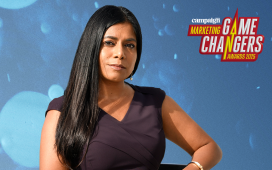
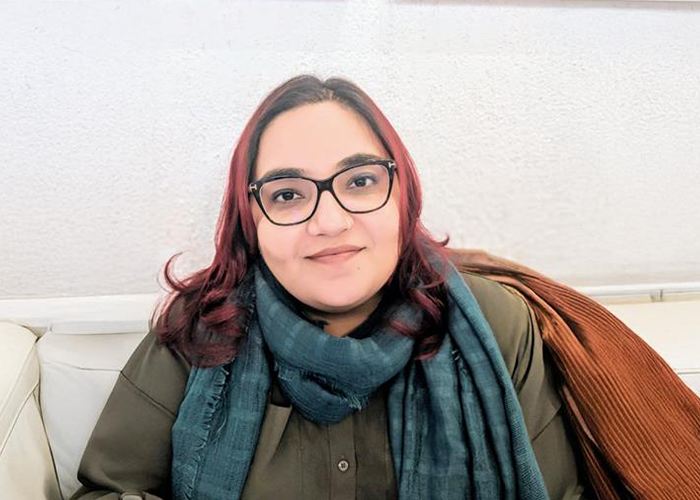
 Radhika Mehta- EVP Growth and Operations Ruder Finn Atteline
That is not a funeral – it is a jailbreak. Walk any corporate corridor today, and you will find inclusion work alive, sharper and wired deep into the organisation even as the old titles vanish.
The Chief Diversity Officer role is rare, but its DNA now runs through a new breed of operators: culture hackers, equity investors, inclusion architects. They do not issue memos announcing a change. They write change directly into hiring scripts, bonus gates, and product roadmaps. Call it stealth leadership – it is the same mission, but now in different camouflage.
Political cross-winds have made the term DEI a lightning rod in many markets. Companies operating in some regions have become wary of using the DEI label publicly, even if they still work on diversity and inclusion internally, and firms have responded with a linguistic pivot.
Terms like “inclusive leadership,” “leadership excellence,” and “organisational well-being” sound less polarising, yet 72 per cent of C-suite and HR leaders still plan to deepen inclusion budgets by 2027.
Hacking culture at scale
Today’s inclusion leader is part behavioural economist, part data guerrilla, part algorithmic ethicist. Why? Because budgets shrank and attention spans shrivelled, meaning the value case had to sharpen.
I have watched ERG coordinators morph into cultural venture capitalists who seed-fund shadow mentorship networks. Compliance officers became algorithm auditors who patrol hiring models for bias leakage. The skill is fluidity: the ability to shape-shift to pressure points, solve, and move on.
At the same time, the boldest inclusion architects are building “microclimates” of belonging – one squad at a time – instead of launching commandments from head office. In GCC markets, where expat churn erodes institutional memory, these pockets of high trust lock knowledge in-house and ripple outward by evidence, not edict. Inclusion is no longer an event or a policy; it’s a network of high-performance cells embedded deep inside the organisation’s operational DNA.
AI as wingman (not replacement) and guerrilla analytics
Every firm I know screens CVs with AI. The sharpest inclusion teams recruit those same algorithms to fight bias.
IBM’s open-source AI Fairness 360 toolkit is now standard in several regional banks, while one large MENA telco runs a “bias bait” chatbot that flags exclusionary language in Slack channels within seconds and offers neutral rewrites.
AI is not taking the job; it is the exoskeleton that multiplies our reach. As inclusion teams harness AI as a force multiplier, they are also redefining how impact itself is measured, moving from optics to operational outcomes.
Vanity diversity percentages are out, while hard-edge, behaviour-level metrics are in. Forward-thinking firms track Belonging Time-to-Value – the number of weeks it takes a new hire to feel trusted with stretch work. A logistics company that adopted this metric cut attrition by double digits.
Teams also model Micro-aggression Interest, the compounding cost of unchecked biased remarks on sprint velocity. Culture stops being a vibe the moment finance can model its ROI.
The invisible architects of durable advantage are dematerialised DEI leaders
So, where did the DEI leaders go? Nowhere. They are now dematerialised, dissolved into the organisational bloodstream.
They are rewriting floor plans so cross-functional teams mix by default, baking equity into pricing algorithms, and designing benefits that flex for every life stage with a mission of making unthinkable inclusion inevitable.
This revolution will not be televised. It will be embedded, hard-coded into how we hire, lead and innovate across every boardroom from Dubai to Riyadh to Doha.
The DEI leader of tomorrow is not a facilitator. They are a systems hacker, a quiet architect of durable advantage.
If you cannot see them, check your company’s source code – you will find their fingerprints on every line.
By Radhika Mehta- EVP Growth and Operations Ruder Finn Atteline