


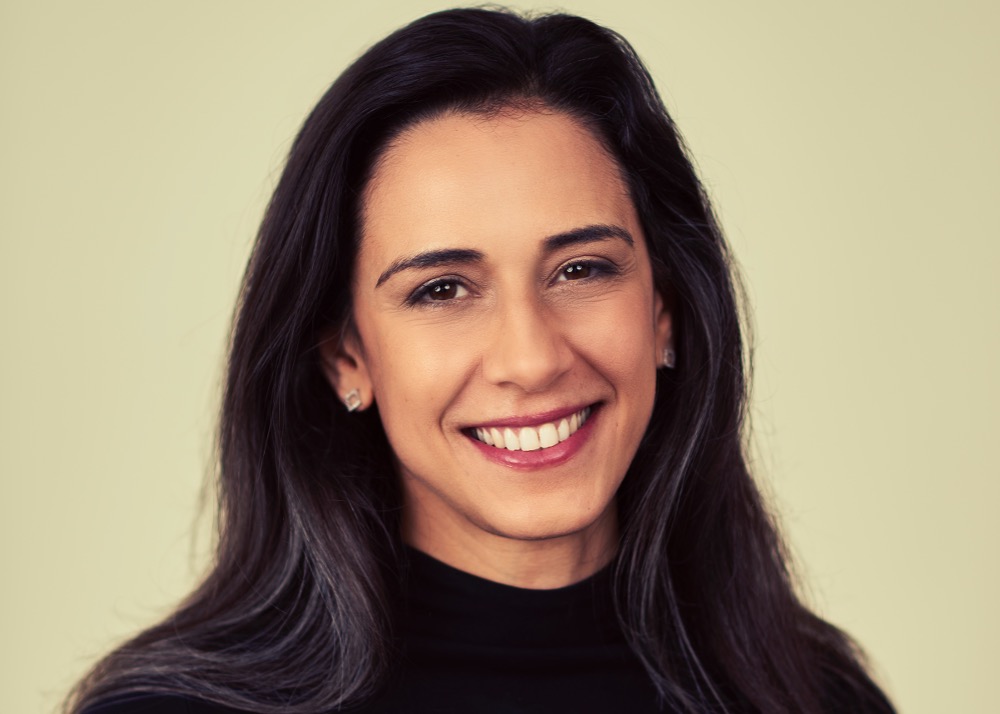
 Amal Atallah, President - EMEA, Landor
Across the Middle East, an extraordinary momentum is unfolding. Governments are committing billions to AI, businesses are expanding internationally with unprecedented ambition, and visionary projects are redefining global standards.
This region has never been afraid of tomorrow. It leans into the future with audacity and speed. PwC’s 2026 Middle East CEO Survey reinforces this reality: regional CEOs are among the world’s most active adopters of AI, while 88 per cent plan to expand beyond their domestic markets.
Yet, for leading businesses, the central challenge is no longer just keeping pace with change. It is building distinctive brands that do justice to their business ambition. As AI makes brand execution faster and more accessible, competitive advantage is shifting. It’s no longer enough to produce good, polished work. The cost of blending in has never been higher. Brands must do more to stand out. This is an economic imperative.
Differentiation is the single strongest predictor of future value growth, price premium and investor appetite. Landor’s analysis of data from WPP’s BrandAsset Valuator reveals that brands increasing their relevant differentiation by just 3 per cent secure an average 1 per cent gain in market share.
So where does that differentiation come from? This challenge feels particularly exciting in the Middle East. Crucially, the region’s unique diversity offers the ultimate fuel for the distinctiveness brands must reflect. Dozens of cultures, languages and worldviews interact here daily: challenging, sharpening and inspiring one another. The most compelling brand ideas emerge precisely at these rich intersections.
Over the past few years, one thing has become increasingly clear to me. The brands best placed for this next chapter will have three things in common: the bravery to think differently, the judgement to know which ideas matter and the lived experience to make those ideas resonate through authentic human connection.
It all starts with brave ideas. Brave branding isn’t about provocation for its own sake. It is about investing disproportionately in the core strategic idea with deep conviction – owning an unmistakable point of view across every touchpoint. In the Middle East, bravery comes from understanding local culture deeply enough to innovate within it.That was our starting point with Saudia. The airline pivoted from a traditional regional carrier into a living ambassador of Saudi culture with a bold promise: Welcome to our future. This was a commitment to building cultural pride while inviting international curiosity.
This positioning drove an 80 per cent increase in brand value within two years and established a foundation for product innovation such as the Coolest Ihram: a centuries-old garment reimagined with modern cooling technology to protect pilgrims in extreme heat. This is not a campaign. It is a brave idea solving a real human problem.
Brave ideas need human judgement to turn potential into something people genuinely remember. AI can generate endless possibilities, but it cannot decide which idea is worth pursuing. It can’t weigh cultural nuance, recognise emotional resonance or know when restraint is more powerful than complexity. That’s where human judgement creates value.
That same combination of brave thinking and human judgement shaped the creation of Misk Heritage Museum, Asaan. Instead of treating heritage as something static behind glass, we framed heritage as a living human story under the brand idea: We are timeless. By shifting the focus from passive observation to active engagement, Asaan invites Saudis to participate, shape and carry culture forward through specialised spaces, workshops and community-led programmes. The result is a new relationship between people and culture that is truly lived.
Ultimately, even the bravest ideas and the best judgement need to be grounded in lived experience. In a synthetic world, visible human depth signals what no algorithm can fake. Values must be felt, not just communicated. They must be reflected in how a brand behaves, the experiences it creates and the relationships it earns over time.
That means investing not just in how a brand shows up, but in how it makes its audiences feel. Those feelings shape what people say, share and review, creating the real-world signals that emerging AI agents will use to assess, surface and recommend brands. In this sense, human experience will increasingly influence agentic choice.
As more Middle Eastern businesses look beyond the region, the opportunity is for their brands to become more confidently themselves.
The businesses that create the greatest long-term value won’t necessarily be those adopting every new technology first. They’ll be the ones with the bravery to stand out, the judgement to own a singular truth and shape brave ideas, and the lived experience to create brands people genuinely care about.
In a world where intelligence is abundant, differentiation will come from things that are much harder to replicate: human judgement, human creativity and lived experience.
By Amal Atallah, President – EMEA, Landor







