


Brand activations are often designed to exist for a few days, sometimes even a few hours. But what happens when the structure comes down?
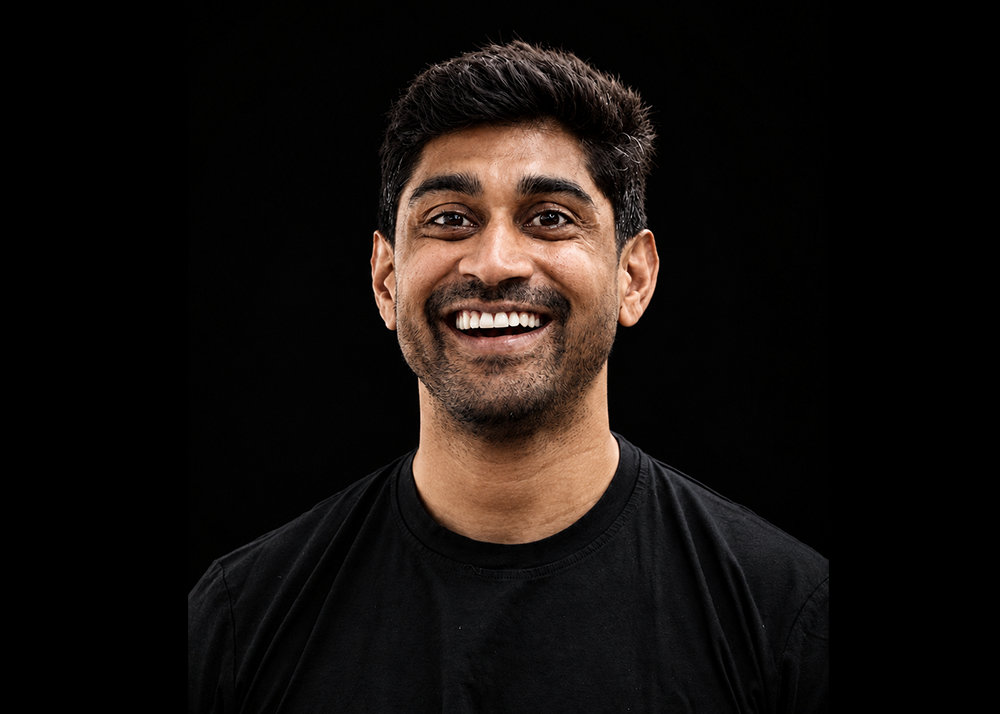
Physical activations are often approached as temporary marketing exercises by brands. For FEEDERS, the value of a physical brand experience shouldn’t be measured by how impressive it looks on the day, but by what people take away from it. Joaquin Silva, Co-Founder Feeders Ephemeral Architecture believes activations should be treated as opportunities to build lasting emotional connections, become part of an event’s identity and create structures that can live beyond a single campaign.
He says, “Before investing in a physical space, a brand should be clear about one thing: what should people feel, understand or do differently when they walk out?”
The studio starts by understanding a brand’s intentions at the briefing stage: why it wants to establish a physical presence in the first place, who it wants to reach and which spatial KPIs will help determine whether the experience has worked.
“FEEDERS works as an architecture studio, which means every space starts with the user, not the structure. We ask about purpose, community, demographics and perception, but those answers tend to be polite. Real clarity comes from two harder questions. How flexible is this brand once it steps outside its own guidelines? Can it carry its attitude into a room full of real people?” says Silva.
From temporary spaces to lasting impressions
Between 2013 and 2022, FEEDERS designed NOS’s guest and activation space at NOS Alive, bringing the telecom brand’s promise of connectivity to life in a more tangible way.
Rather than simply communicating connectivity through branding, the studio created spaces where people could experience it: through music, conversations and shared moments at the festival.
The space became an extension of the brand’s proposition, turning an abstract service into something people could feel and participate in. Layout, aesthetics, flow, light and materials did the talking. Brand colours were present, but the emphasis was on translating the brand’s identity into an experience through the use of acrylic, fabric and steel.
The thinking came down to one question: remove the logo. Would people still recognise whose space they were in?
“It’s about emotion, not application. A logo on a wall tells people who paid for the space. A spatial narrative tells them why they should care. Events and temporary architecture give brands a rare licence to step outside their usual presence and guidelines, and the bolder ones use it,” says Silva.
Creating an experience that resonates requires brands to look beyond the spectacle. According to Silva, that’s the paradox the industry struggles with. He believes too often brands are overspending on technology and decoration, more logos, bigger logos, while the basics are left unbalanced. Poor access, an uncomfortable environment, and an operation that can’t keep up. The staffing may not be part of the scope, but its impact is seen on every project.
A giant logo won’t save a visit that went wrong at the entrance. The user experience needs to be protected and prioritised over everything else – it’s the reason a brand builds a space in the first place.
“The user experience comes above everything else, because it’s the reason a brand builds a space in the first place. A space creates emotions, and those emotions are what bring people back to the brand or the product. Spectacle earns the photo, but experience earns the longer stay, the good conversation and real buy-in to the brand’s ideas. Nobody remembers an LED wall fondly after queuing for it for 40 minutes in the sun,” says Silva.
Silva believes the starting point should be to create a strong branded atmosphere, then build the experience around it. That means thinking about the space as if you were designing it for yourself, from access and circulation to shade, seating, restrooms and catering. A smaller space that works will always beat a bigger one that people have to endure.
Beyond footfall
If the experience matters more than the spectacle, how should brands know whether they’ve got it right?
“Footfall tells you people walked in. The real value shows up after they’ve walked out. The best sign that a space worked is recognition: people still talk about the brand and how they felt weeks later. They remember where they were standing, and next year they may come looking for it,” says Silva.
For FEEDERS, atmosphere is never a detail. Think about the first moment you arrive at a festival or event. The entrance is the first thing people see, the backdrop for every arrival photo and the point at which the experience truly begins.
“A great entrance doesn’t just let people in. It tells them they’ve arrived somewhere special. The right structure can change how a whole venue feels,” says Silva.
Over time, public recognition does something even more valuable: the structure becomes part of the event’s ecosystem.
FEEDERS’ work on the main stage at NOS Alive is an example. The structure became one of the most recognisable stages on Portugal’s festival scene, eventually earning a place on the festival’s billboard alongside the names of some of the world’s biggest artists.
“When a structure shares the poster with the headliners, it has stopped being a set. It has become part of the line-up. At that point, the brand isn’t just present at the event. It belongs to it,” he says.
Global thinking, local making
For international brands entering the GCC, Silva believes that the journey starts with a deeper understanding of the region’s cultural influences and aesthetics.
The GCC is a melting pot of nationalities and influences, but its aesthetics are deeply rooted in local culture. Brands, agencies and studios like FEEDERS are tasked with decoding those codes and translating them into a curated, and well designed spatial experience.
“That’s why we opened our Middle East Hub in Riyadh in 2026 instead of only designing from Lisbon. We work with local partners and suppliers, and their knowledge shapes the project from the start, not at the end,” says Silva.
He adds that avoiding assumptions means listening before drawing. “We spend time on site, talk to local teams and audiences, and test ideas with the people who will actually use the space. When we design for a football club in the region, for example, we look closely at its origins, its ambitions and the connection points it shares with its fans, so the project can deliver the strongest possible experience.”
What stays consistent is the brand’s core and the quality of execution. What adapts is the rhythm, the hospitality and the way people are invited in. Global thinking, local making.
Feeders’ priorities in 2027
For Silva, the next challenge is changing how brands approach temporary architecture altogether.
“We want to change one word: ephemeral shouldn’t mean disposable,” he says.
Too often, brands commission spaces as one-off builds. A new brief, a new structure, a new skip at the end. Silva believes the greatest opportunity lies in three shifts.
First, bringing architects in earlier, before the brief has already decided it wants a box with a logo on it. Second, designing structures that are reusable and adaptable across several editions and locations. Third, treating each project as a lesson for the next, so the brand gets smarter every time it shows up.
“In 2027 our priorities are consolidating our Riyadh hub alongside Lisbon, increasingly proposing multi-year structures, and building long-term partnerships rather than one-off orders. Over the next three years, meaningful progress for our clients would look like this: fewer builds, more impact, and spaces that work harder and last longer,” says Silva.







