

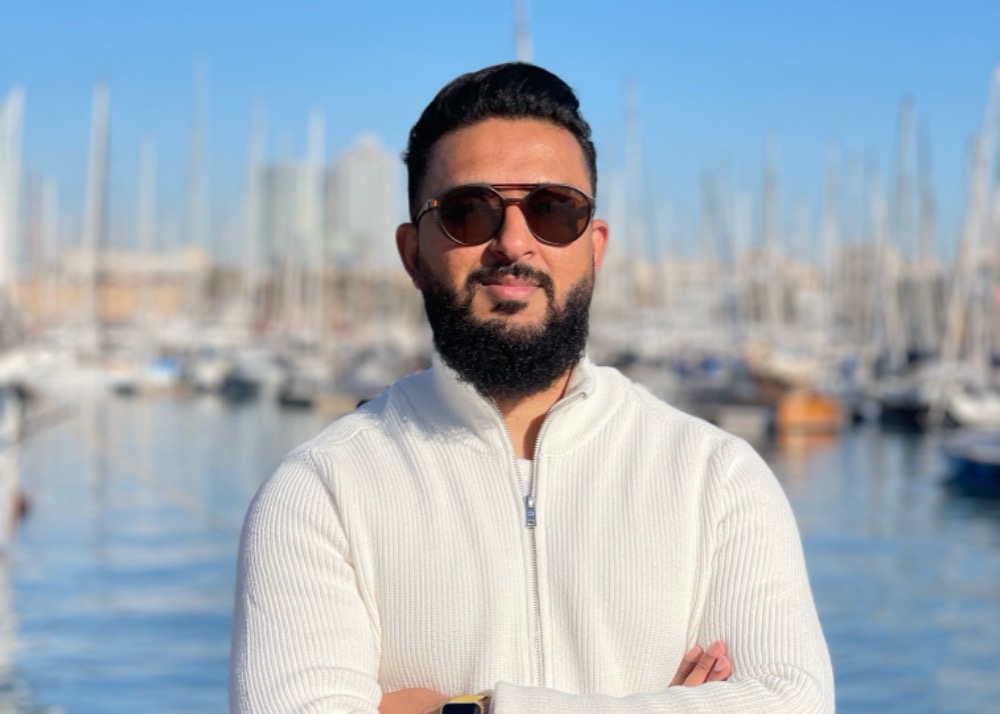
 Huzefa Siamwala, Founder, Hikaya
There is a particular kind of clarity that only arrives in adversity. The past 8-10 weeks across the region have been difficult for many businesses — tightened budgets, nervous clients, deferred decisions and an industry-wide reshuffle of ad budgets.. Agencies have felt it. Some have shrunk and a few are on leave until summer.
I count myself among those who used the quiet to think. Not to survive, but to look ahead. And what I see coming is not a modest correction. It is a structural shift in how every serious brand or agency business will communicate, distribute, and build loyalty over the next two to three years. The agencies that recognise this early will not merely weather the storm — they will own the decade that follows.
Here is what I believe, and why.
Founder narrative is no longer optional for brand building
We are entering an era of relentless product commoditisation. AI has made it possible for almost any company to replicate a competitor’s features, services, and customer experience in a fraction of the time it once took. This trajectory does not slow down, it only accelerates.
In this environment, the product alone cannot be the differentiator. What cannot be copied is the person or leadership behind the company. The convictions, the scar tissue, the reason this business exists at all. Founder-led storytelling, real, specific, unglossy — is fast becoming the last genuinely defensible brand asset a company has.
The businesses that invest in narrative architecture today, that build a founder’s public identity into their long-term brand strategy, will have a head start that money alone cannot buy later. Every serious agency should be building this capability right now for themselves and their clients.. Few are.
Owned distribution is replacing borrowed attention
For years, brands have rented reach. Influencer marketing, at its best, borrowed credibility from a trusted voice and delivered it to a relevant audience. At its worst — which describes a growing proportion of the market — it delivered vanity metrics to an indifferent one.
The problem is structural: an influencer who promotes your product will, shortly afterward, promote your competitor’s. You do not own the relationship. You are a line item in their content calendar. The smarter brands have already started building what the best media companies have always had — proprietary distribution. Their own podcast. Their own YouTube channel. Their own newsletter. Multiple content verticals that accumulate equity over time rather than expiring at the end of a campaign cycle.
This is not about abandoning influencers entirely. It is about ending the dependency. Agencies that can help brands architect owned media ecosystems — not just execute posts — will become indispensable.
The campaign calendar is dead; continuity is the new strategy for brand building
The rhythm of one or two large campaigns a year, timed to Ramadan, or the festive season, or a sale window, is already an anachronism. Consumer attention does not pause between shopping seasons. Competitors do not. The brands building durable equity are the ones showing up every month — testing, refining, staying relevant without waiting for a cultural moment to justify the spend.
This is a fundamentally different operating model for an agency. It requires fewer big reveals and more sustained creative output. It requires client relationships built on trust rather than transactions. It is harder to do and, frankly, harder to sell. But it is what the market actually needs.
I did not arrive at these conclusions from a whitepaper. I arrived at them from years of working at agencies and now building and scaling my own in this region. The disruption of the past few weeks, as painful as it has been for many, created something valuable: it forced the question of what an agency should actually be for. Not what it does, but what it is for.
I constantly remind my team that we exist to build brands that last longer than their next campaign. That means helping founders, corporates, sports personalities as clients, speak with authority and authenticity. It means building media infrastructure that a brand owns rather than rents. And it means showing up consistently, month after month, rather than arriving with fanfare twice a year and disappearing in between.
The opportunity is real and it is regional. The businesses ready to invest in this kind of thinking are not a niche — they are the mainstream of the next two to three years. The only question is which agencies will be ready when they come looking. Happy building.
By Huzefa Siamwala, Founder, Hikaya