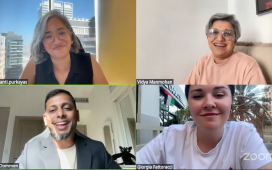
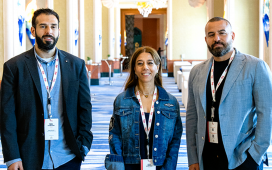
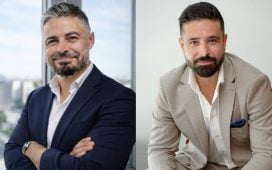
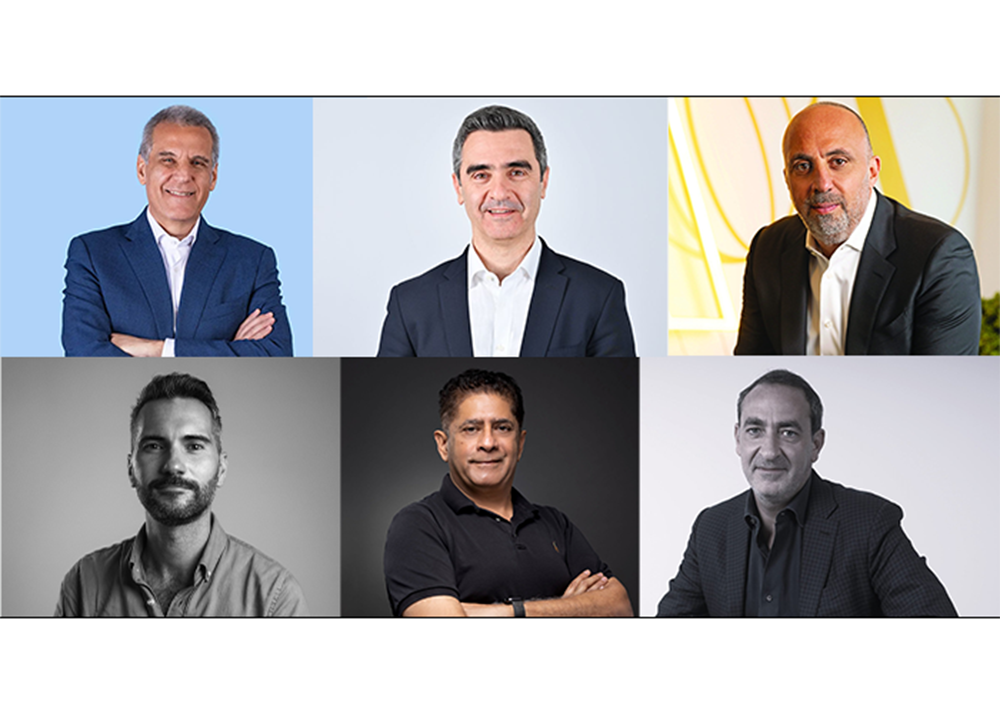
 From top left, clockwise, Ghassan Harfouche, Group CEO, MCN MENAT; Tarek Daouk, CEO – MENAT, dentsu; Reda Raad, Group CEO, TBWARAAD; Dany Naaman, CEO, HAVAS Middle East; Avi Bhojani, Group CEO, BPG Group; and Aurelien Fonteneau, General Manager, We Are Social.
When the windows rattle, the booms sound … when it feels like the ground is shifting and the future is uncertain amid a crisis, the best leaders don’t just keep the lights on; they calm the room, steady erratic heartbeats, remind people to breathe, and offer clarity amid the chaos.
Let’s be honest: Almost everyone working within the brand, marketing, creative, advertising and communications industry in the Middle East – and their homes and loved ones – are safe. Yet, the current geopolitical climate isn’t one many of them have encountered before, and “safe” does not equate to “OK”.
Leading with care is not softness; it is strategy
Several senior agency leaders speak to Campaign Middle East about prioritising people over process and performance; assurance over anxiety; and careful, composed, clear and calm intent over ‘coping mechanisms’ during a time of crisis.
Culture is treated less as branding and more as backbone, with managers checking in on the person, not just the plan. The emphasis is simple: in volatile moments, output is secondary to humanity.
Dany Naaman, CEO, HAVAS Middle East, says, “In moments such as these, the real test is not operational continuity, it is emotional steadiness. Any business, anywhere in the world, must have a disciplined wellbeing playbook when external events create uncertainty for its people. The principle is simple: safety and psychological stability come first. Leaders must communicate early, remove ambiguity, and take decisive actions that reduce unnecessary pressure. Flexibility should not require permission. Presence should not require escalation. Calm must be visible. Culture, in these moments, becomes infrastructure.
Naaman adds, “Managers check in beyond KPIs. Leadership speaks with clarity, not noise. Decisions are anchored in responsibility, not optics. Sustainable performance is built on human energy. When people feel protected, informed, and supported, resilience follows. Strong organisations do not improvise in turbulence, they lead with structure, empathy, and conviction.”
Periods of crisis also bring priorities back into focus. Leaders call for the industry to zoom out and take cognizance of shifting personal circumstances.
Several people have family members currently trying to find their way back to the UAE; several have never experienced a situation of the sort before in their lives; and several others have been so caught up with work that they haven’t had a moment to take in what they are witnessing and experiencing.
Amid the ongoing crisis, most people living in the region have also been inundated with calls from family members and friends who are genuinely concerned about their safety, while simultaneously attempting to balance remote work while managing children currently on distance learning schedules at home.
Leaders call for the industry to grant space without hesitation and trust that reassurance fuels collective strength.
Tarek Daouk, CEO, dentsu MENAT, says, “Periods of regional unrest tend to sharpen our perspective. When events unfold so close to home, it becomes very clear what matters most: people’s safety, wellbeing and peace of mind. In practical terms, that means giving people space without question. Recognising that capacity shifts when someone is carrying heavier personal concerns. Whether that is immediate safety issues, worrying about family back home, or managing childcare while working remotely, these realities demand understanding, flexibility and compassion as a given.”
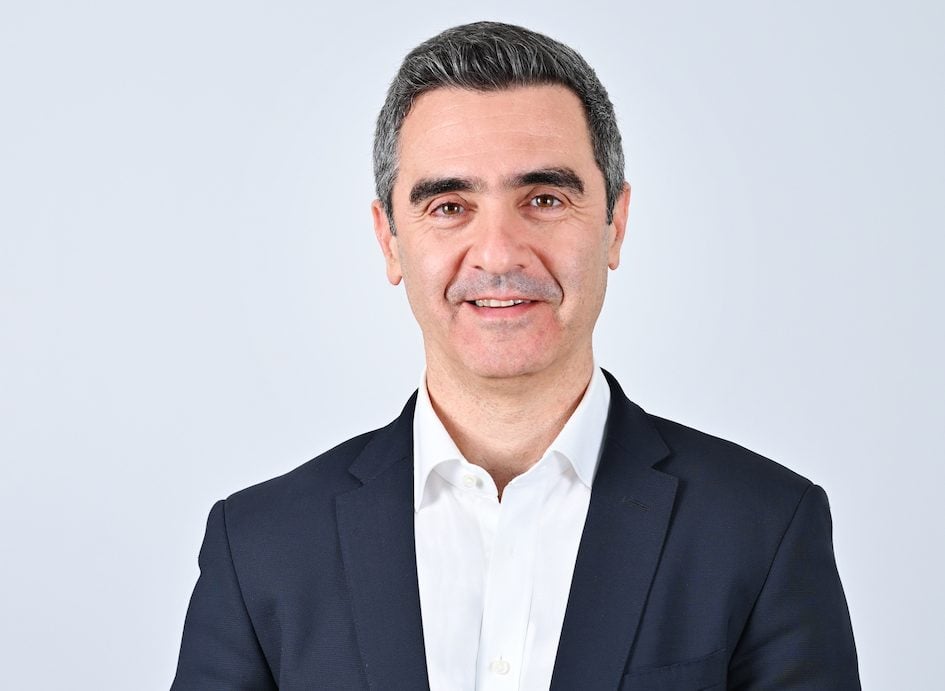
Daouk adds, “We are fortunate to operate in countries whose leadership prioritises stability and security, creating the reassurance that people need in moments of uncertainty. We have seen the resilience of our teams time and again and it is our responsibility to ensure that they feel supported and safe as we navigate this period together. That sense of security and mutual care is what allows us to move forward steadier and stronger. I have every confidence that this region and its people will emerge with renewed strength and optimism for the future.”
Structure, transparency and empathy in action during a crisis
Principles mean little without practice. And when it really counts, it’s not the LinkedIn posts or timely words that rally people together. It’s empathy in action that matters during a crisis.
Leaders call for values and intent to be translated concrete steps: temporary remote work, pauses on non-critical activity, and regular, open communication paired with consistent attention to mental health.
Ghassan Harfouche, CEO, MCN MENAT, says, “The safety and wellbeing of our people, and their loved ones, continues to be our priority. It is the foundation of how we lead. Across our teams in the GCC and Lebanon, we have transitioned to temporary remote working, paused non-essential travel, and placed in-person meetings, productions, and large internal gatherings on hold. Offices remain accessible for essential needs, and our leadership teams are in daily contact, monitoring developments and responding with both urgency and care. As the situation unfolds and evolves, we are communicating proactively and transparently, guided by official government directives.”
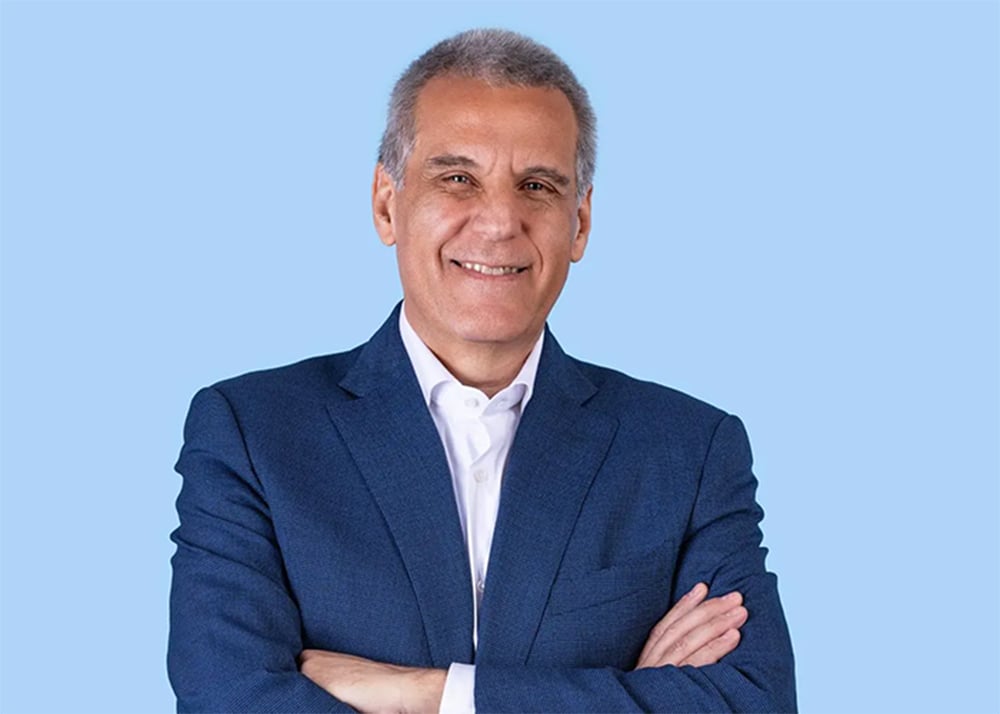
Harfouche adds, “We are actively encouraging our people to maintain consistent check-ins with their teams and line managers, because looking after one another is not a protocol, it is our culture. Mental health and wellbeing resources remain fully accessible, recognising that uncertainty carries its own weight. This is a critical moment in which we all stand together, and what has been most remarkable through all of this is our people. The solidarity shown across the MCN collective and our broader global group, the words of support, the quiet acts of care, have been extraordinary. Our focus remains on taking responsible action, communicating transparently, and above all, putting the security and welfare of our people first.”
Additionally, the confidence shown by the courageous leadership of the UAE, which has kept almost all of its citizens, residents, workforce and infrastructure safe resonates across the private sector, as well.
In the UAE, decisive systems and social cohesion are presented not as theatre but as the reason communities, companies and cultures can carry on with assurance.
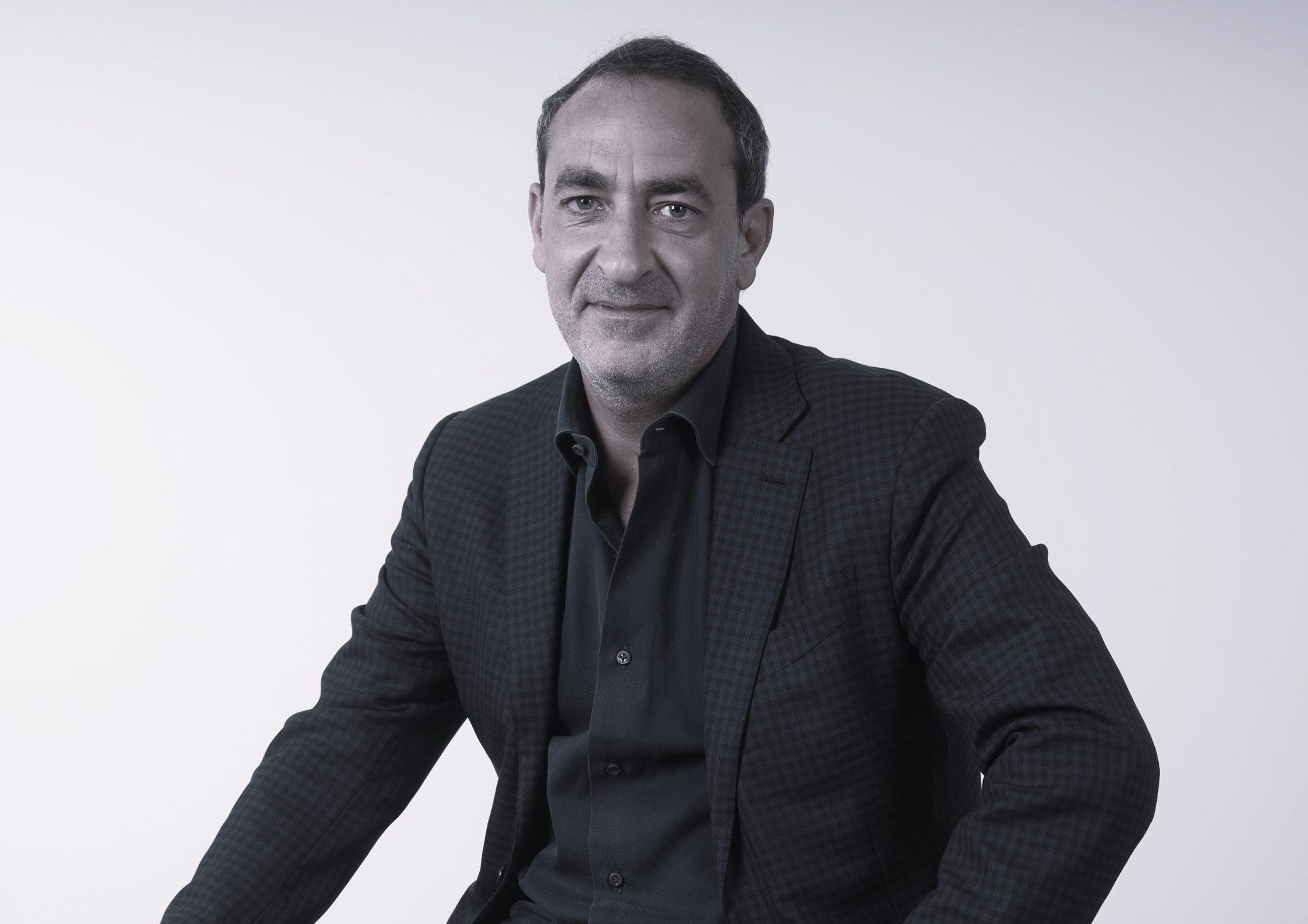
Reda Raad, Group CEO, TBWA\RAAD, says, “While others speculate, the UAE prepares. While others shout, the UAE acts. Missiles detected? Systems respond. Travelers stranded? Hotels covered. Meals provided. No one left alone. That’s not PR. That’s leadership.Here, leadership doesn’t perform strength. It practices it. It doesn’t create noise. It creates certainty. And in moments like this, you realise something powerful: Trust isn’t built during crisis. It’s revealed by it.”
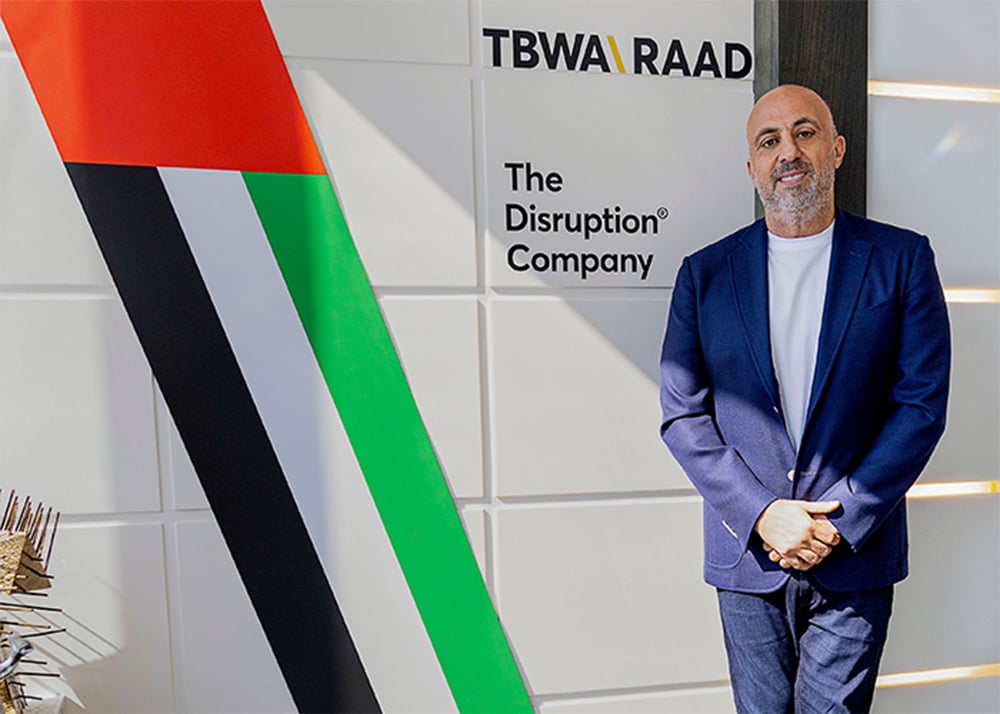
Raad adds, “This country invests in its people. In safety. In stability. In vision. And you feel it. You feel it in the way the city moves on — not careless, but confident Not naive, but assured. More than 200 nationalities. Different faiths. Different backgrounds.One shared feeling: We are safe. We are steady. We are together. That is soul. That is strength. That is the UAE.”
Leaders also double down on a tight-knit, customer-first ethos, and share the need to stay positive and spot opportunities even amid the distress.
Avi Bhojani, Group CEO, BPG Group, says, “We see the glass as brimming and half full. There are opportunities in adversity and we are focusing on helping our clients unlock these opportunities. We are indeed fortunate to have a very strong culture of comradarie and client centricity that is keeping us together and believing in the fact that tomorrow being better than today.”
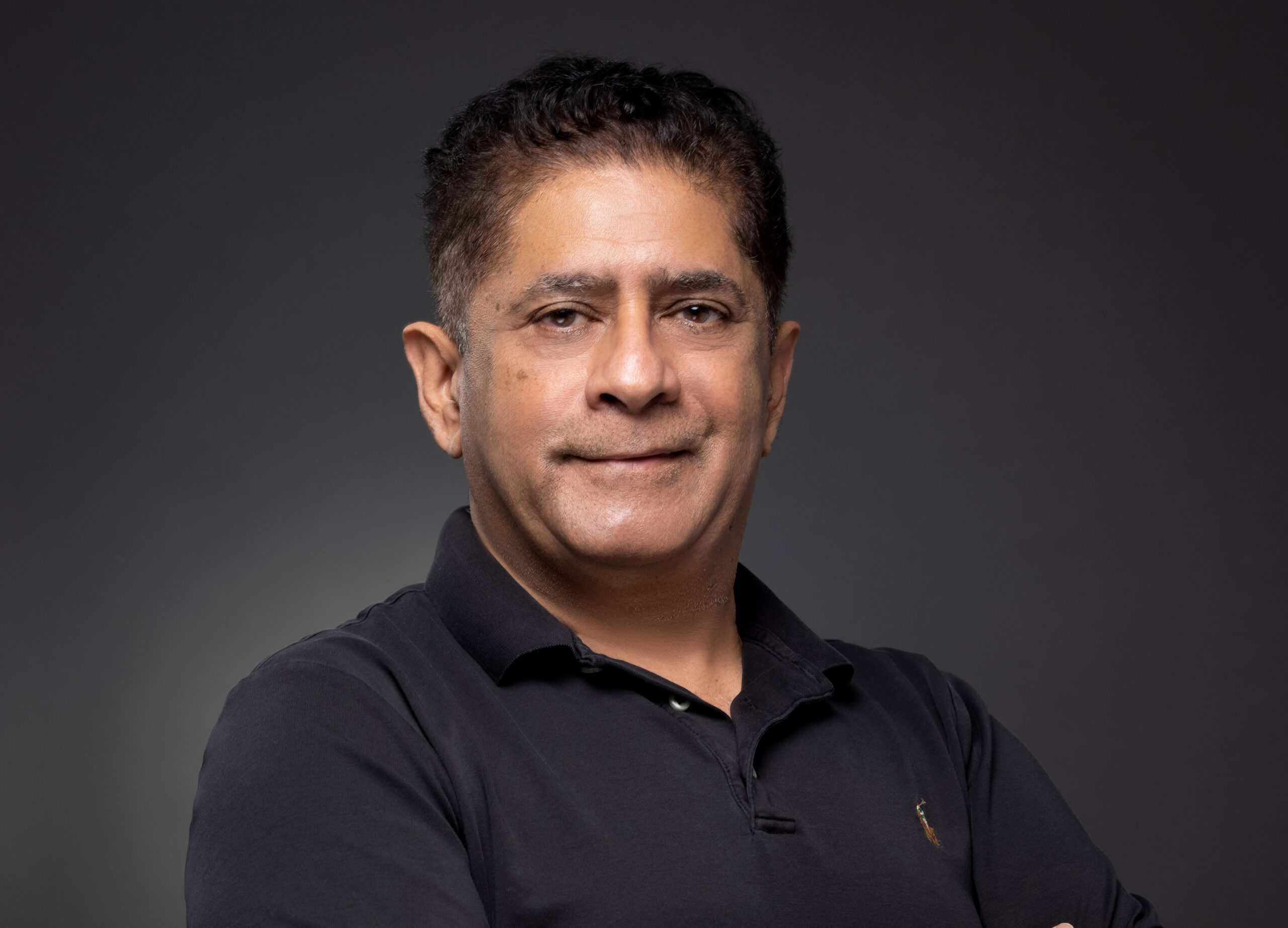
Sharing a perspective from outside the C-suite cabins of holding companies, leaders in smaller independent creative collectives also echo the same sentiment.
Aurelien Fonteneau, General Manager, We Are Social, says, “The first duty of leadership is to recognise that everyone handles this pressure differently: there is no one-size-fits-all for wellbeing. We’ve leaned into serene strength through over-communication and radical availability, prioritising spontaneous phone calls over the exhaustion of scheduled Zooms.
Fonteneau adds, “Beyond culture, we provide practical, professional support: from our agency-wide WhatsApp groups to activating our mental health insurance coverage and providing year-round Calm subscriptions. We aren’t just managing workloads, we are actively protecting the headspace of the people who make the work possible.”
All in all, these leaders sketch a model of leadership that swaps showmanship for stability. When uncertainty knocks, the answer is not to push or pull harder but to dig deeper and weather the winds and the waves.
Their advice: speak plainly, act quickly, lighten the load and keep checking in. Give people room and reassurance, and they will supply the resolve.
In times of crisis, values become the foundation, adjustments become the safety stairwell, and trust – within teams, organisations, ecosystems and in the systems around us – becomes the bunker that brings people together and offers hope of a better tomorrow.