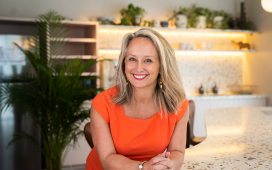
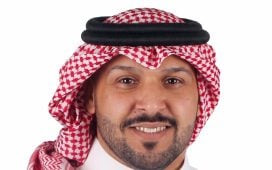
Michal Divon, Founder, Built. UAE
There’s something extraordinary happening in the UAE right now. In the middle of regional escalation, the loudest response hasn’t been fear. It’s been solidarity.
Anyone who has spent time on social media during the past few days, has witnessed this trend themselves. Messages of support, gratitude, and loyalty have flooded UAE’s social media platforms, and the most striking part – it has not been orchestrated. It is organic.
This spontaneous campaign is not government-led, nor is it a coordinated communications effort. Emirati citizens, residents , and even visitors are expressing a similar sentiment: this country is worth standing up for and supporting. To most people posting, this country is home, and home is what we protect.
The geopolitical reality we have all been thrust into is serious. When missiles target civilian areas and national symbols, the stakes are not abstract. For the individual, they touch on personal safety and mental stability. Psychological warfare is designed to spread fear, and fear when not mitigated, can cripple society.
The UAE made sure to own the narrative, first and foremost calming its people: residents, citizens and visitors alike. The ripple effect of the governments initial reaction is not short of astonishing.
It began with a policy decision that spoke volumes. One day after Iran struck the United Arab Emirates, The UAE General Civil Aviation Authority announced that the country would cover accommodation for affected and stranded passengers. In Abu Dhabi, the Department of Culture and Tourism instructed hotels to host guests unable to check out due to disruptions and to send invoices directly to DCT. No back and forth questions. No additional stress layered onto the existing uncertainty.
The message was clear: focus on yourself. We will handle the rest.
This spirit of reassurance was further personified by Minister of State for International Cooperation Her Excellency Reem Al Hashimy. In a widely broadcast interview with CNN, she spoke directly to the heart of the nation, recognising what people are feeling while delivering a clear message: “You are safe with a leadership that cares for you and that will do everything they possibly can to ensure that safety continues.”
This moment might bring people back to the days of the pandemic when Sheikh Mohammed bin Zayed told the people of the UAE not to worry, and by doing so, instilled a sense of calm over the entire nation.
By assuring the public that they were protected and that the state stood firmly behind them, Al Hashimy helped transform a moment of regional crisis into a powerful display of national stability and unity.
What followed was even more incredible as residents and citizens jumped in to help one another. Hotels and property owners offering complimentary stays, companies providing free meals and transport, communal spaces contributing a relaxed environment, and individuals offering their own homes to stranded passengers. What started on social media quickly spread offline.
The UAE was built on openness, ambition, and diplomacy, but it was also build with empathy and a people-first philosophy. That principle traces back to the country’s Founding Father, Sheikh Zayed, a leader who believed that a nation’s greatest asset is its people. He was a deep humanitarian who cared deeply, not only for his own citizens, but for humanity at large.
As Zaki Nusseibeh, UAE Cultural Advisor to the President and Sheikh Zayed’s longtime translator has often reflected, Sheikh Zayed’s humanitarian instinct was not strategy. It was character.
And the character of leaders becomes culture.
Resilience is often measured in military capability or financial reserves. These cannot be underestimated, and are part of the country’s long-term strategy. Both are necessary to ensure safety and stability.
But there is another form of resilience that is harder to quantify and impossible to manufacture: creating a sense of shared purpose during difficult times.
What has unfolded here suggests that empathy is not sentimental, and it is surely not a sign of weakness, quite the contrary. Empathy shows up in citizens offering help without being asked, and without expecting reward. It shows up in leaders who communicate calmly, but firmly, and who are able to create a sense of belonging and togetherness, during the most challenging times.
In volatile times, the future will belong to societies that understand this balance. Empathy does not weaken a nation; it anchors it. Kindness does not dilute resilience; it deepens it.
There is something extraordinary happening in the UAE right now. It is not spectacle. It is not performance. It is culture, revealed under immense pressure.
And that kind of culture cannot be improvised. It is built.
By Michal Divon, Founder, Built.UAE