Artificial intelligence (AI) dominated the conversation in 2025. But attention, trust and culture were never about technology. They were, and always will be, about people. The creator economy now sits at the centre of how we connect in the digital world, shaping how audiences respond to experiences, products and moments.
As we move into 2026, the question is not whether creators matter but how influence itself is changing. As expertise becomes more specific, creators take new forms and opportunity expands far beyond the antiquated principles.
2026 is the year of Intellectual Influencers
2025 marked a peak in creator culture, where collaboration and visibility often took priority. This era played a significant role in shaping digital behaviour and driving consumption, delivering real value for brands and creators alike.
However, as audiences become more conscious in their choices and the economic context tightens, the industry is beginning to recalibrate. Influence is moving away from volume and excess towards relevance, responsibility and longer-term value.
This sets the stage for the rise of the intellectual influencers. Platforms such as TikTok and Substack have reshaped what influence looks like, placing greater emphasis on expertise over popularity. Content creation has become increasingly niche, with audiences gravitating towards specific interests rather than broad generalisations.
From creators building highly engaged communities around animals and pets, to subject-matter experts breaking down policy, economics and public issues in accessible ways, influence now stretches far beyond lifestyle, fashion or beauty. The creator economy is maturing, and with that maturity comes a greater premium on credibility and relevance, not just reach.
The platform shift
To support this evolution, platforms are adapting in real time. TikTok’s evolution in the last five years proves the value in democratising storytelling and storytellers. What began as an entertainment-first platform is increasingly rewarding longer-form, knowledge-led content that can be searched, saved and returned to.
Creators who explain, educate and entertain are gaining visibility alongside the big names, signalling a broader definition of value rooted in usefulness and trust. It is also worth noting that larger creators are now being held to a higher standard of ownership and content quality, as platforms increasingly prioritise well-crafted, meaningful content over audience size.
A similar pattern is emerging on LinkedIn, where creators offering perspective, industry insight and lived experience are consistently outperforming traditional brand-led content. Substack and YouTube reinforce this shift in different ways.
Substack prioritises depth and direct audience relationships through subscriptions and long-form thinking, while YouTube continues to reward consistency, subject mastery and time spent, favouring creators who build authority over time rather than chase short-term spikes.
Together, these platforms point to a future where influence is earned through sustained community building and niche, not fleeting virality.
The industry’s next move
For brands and agencies, this evolution demands more responsibility. It requires a fundamental rethink of how creators are identified, valued and integrated into the ecosystem.
The first shift is in creator selection. Data and follower counts are no longer reliable indicators of impact on their own. In 2026, brands will place greater weight on sentiment, credibility and audience alignment, recognising that smaller creators with focused expertise often generate deeper trust and more meaningful outcomes.
The second shift is in how creators are engaged. While I previously discussed co-creation in 2025, the next phase is about building ecosystems. Brands will work with a diverse mix of creators across platforms, tapping into different communities as needed rather than relying on a fixed roster or campaign-based activations.
From Reddit to Substack, LinkedIn to TikTok, these creators will increasingly represent real communities that are directly impacted by the brand, not just audiences to be reached. This will force agencies to evolve their thinking. A new layer of capability will emerge, focused on identifying rising expertise rather than rising reach. Agencies will need to spot creators early, understand the nuances of their communities, and help build sustainable influence over time. In doing so, we become the curators and incubators of creator talent.
Ultimately, the advantage will belong to those who recognise this shift early and respond decisively. The creator economy is not shrinking. It is becoming more focused, more credible and ultimately far more valuable for brands and industries willing to evolve alongside it.
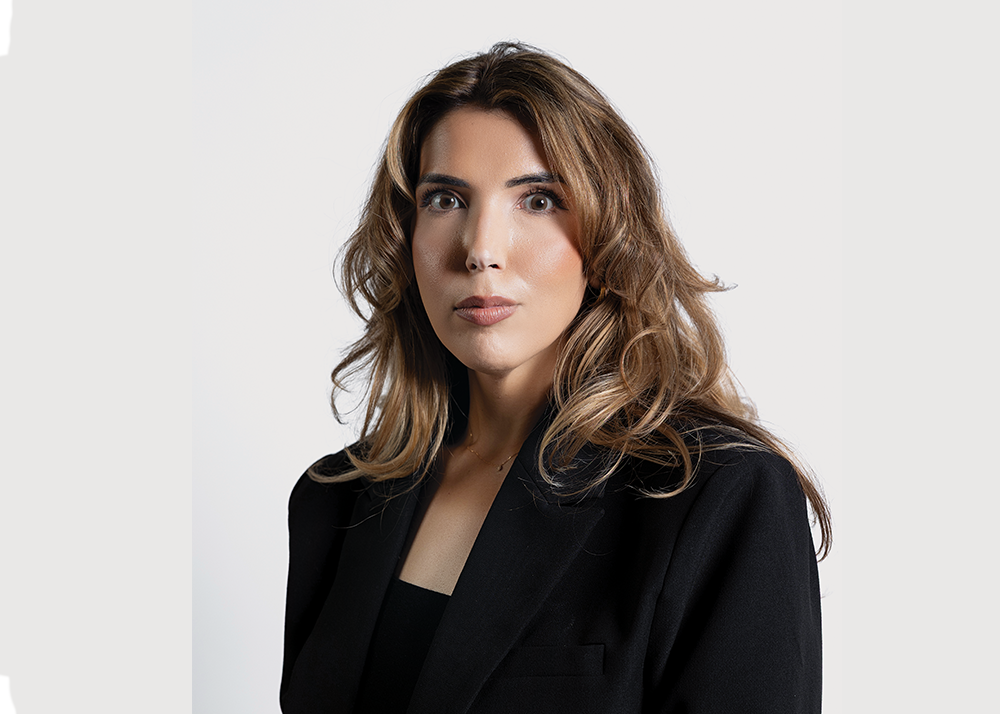
By Heena Mak, Group Head of Strategy, SOCIALEYEZ.