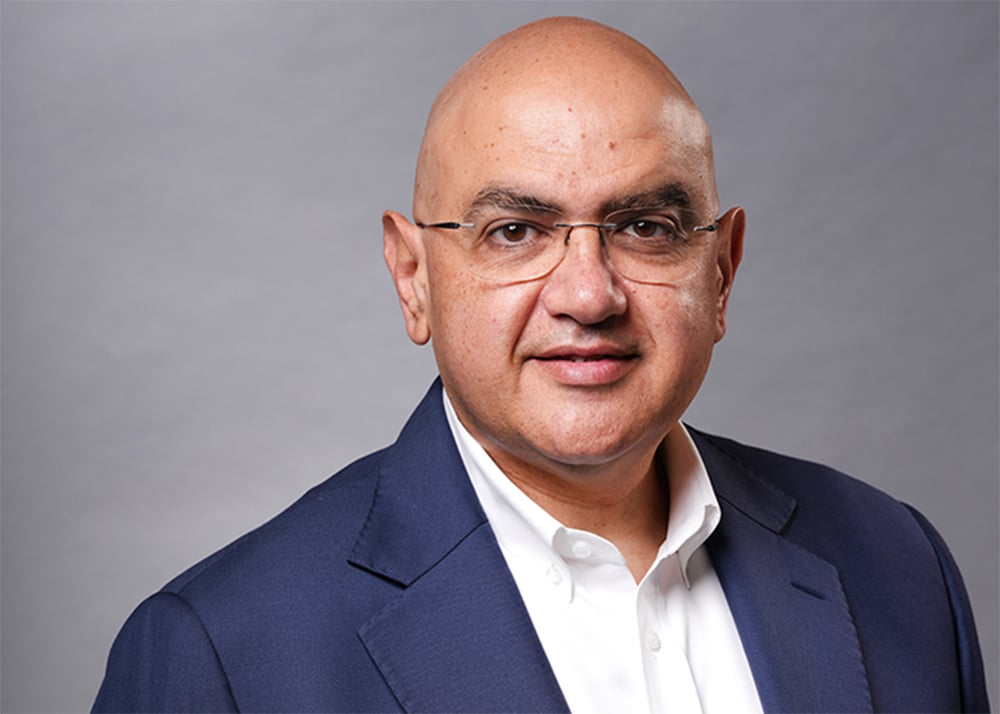
Ghassan Kassabji, CEO - Dubai and Chief Growth Officer - MENA, Impact BBDO.There has been considerable discussion recently about the role of the CMO. Fewer companies have one. Tenures are getting shorter. Some CEOs are questioning whether the position should even exist. The headlines suggest a role in decline, but the reality is more complex. The CMO is not disappearing. The CMO is evolving.
A recent Adweek article titled “How to Keep the CMO From Becoming an Endangered Species” described this shift as the “incredible shrinking CMO,” noting that only 63 percent of Fortune 500 companies still have one. That discussion reflected a global tension about influence and relevance. Yet what is happening in the Middle East tells a very different story, one that deserves its own perspective.
In our region, the CMO role is not shrinking; it is expanding and evolving. Marketing has become central to national growth, not just business growth. Across Saudi Arabia, the UAE, and other markets, marketing leaders have moved far beyond communication.
They are shaping how new sectors, destinations, and landmark projects introduce themselves to the world. They sit with ministers, master planners, investment offices, and global partners. They translate vision into narrative and narrative into participation. The CMO has become a nation builder, a connector between creative ambition and economic transformation.
This widening scope is driving a fundamental transformation in CMO priorities. As a result, the next generation of CMOs must focus on different aspects than before. The role is no longer about defending marketing as a discipline but about designing the systems that drive growth.
The shift to system builder
That begins with moving from storyteller to system builder. The modern CMO must create the architecture where brand, data, technology, and experience operate in harmony. The role has shifted from communication to orchestration. The most effective CMOs in the region are the ones who bridge creativity with commerce, aligning ideas with measurable outcomes.
The next shift is from data to belief. The global trend toward data-heavy decision making has not always produced clarity. The CMO’s responsibility is to turn insight into conviction. Numbers on a dashboard only matter when they connect to meaning. Growth starts as an emotional response before it becomes a financial result. The best marketing leaders understand that emotion is not the opposite of performance. It is its foundation.
Another evolution is the need to protect the brand’s soul in the age of AI. Technology can scale content and automate tasks, but it cannot define purpose. It cannot maintain a brand’s stability when complexity increases. Algorithms can produce limitless variations of a message, but they cannot choose the one that builds long-term value. Leadership must preserve what makes a brand distinct and human. Without this discipline, brands risk becoming noise rather than meaning.
AI may accelerate operations. Marketing still provides direction. The CMO’s role is to ensure that direction remains anchored in growth.
The skills CMOs must build next
To meet this moment, CMOs will need a broader skill set. Financial fluency will be essential to engage CEOs and CFOs in conversations about contribution and commercial return.
Technical literacy will be required to understand how AI, data, and automation shape customer experience.
Cultural sensitivity will help navigate the diverse audiences across the MENA region. Most importantly, leadership presence will allow CMOs to unite cross-functional teams, inspire courageous creativity, and build internal belief.
These capabilities will distinguish marketers who manage activity from leaders who shape momentum.
The momentum checklist
Across the Middle East, the next generation of CMOs will operate as architects of growth. They will speak the language of profit while protecting the language of purpose. They will build marketing as a system that elevates both creativity and performance. They will treat ideas as assets that appreciate with time. They will turn data into action rather than reporting.
Their focus will shift from storytelling to story-living, creating ecosystems where people experience the brand rather than simply consume it. They will build teams that blend analytical intelligence with creative intuition. They will design organisations that move with speed, clarity, and courage.
Reflecting on these changes in the region, it becomes clear that what is happening here should serve as a blueprint for marketing leadership worldwide. Here, CMOs are driving the conversations that define industries. They work at the intersection of creativity, policy, and investment. They help shape the transformation of sectors that are being rebuilt in real time.
The next era of marketing leadership will belong to those who connect imagination with impact. The ones who turn inspiration into commercial progress and purpose into performance.
The CMO of tomorrow will not be defined by hierarchy or title. They will be defined by their ability to create momentum inside their organisations and across their industries. The most valuable leaders will be the ones who build on the momentum to move companies forward through creativity, clarity and conviction.
Now is the time to embrace this new leadership model. Challenge yourself to lead as a Chief Momentum Officer, regardless of title, and drive your organisation forward. Step up, evolve boldly, and set the standard for marketing leadership worldwide.
By Ghassan Kassabji, Chief Executive Officer – Dubai and Chief Growth Officer – MENA, Impact BBDO