The Middle East brand, marketing, creative, advertising, PR and comms industry has made commendable progress in terms of ‘diversity’ within DEI – with more gender representation in boardrooms, on executive committees, at various levels of management, and across cubicles and desks within offices.
However, when we dig deeper, many women in leadership positions and within the workforce have demanded more of the ‘equity’ and ‘inclusion’ of DEI – whether that’s in pay structures, or trust placed on them to handle important projects, or giving them a voice – involving them in decision-making – rather than merely offering them a seat at the table.
Early bird tickets to the Campaign Saudi Briefing: Media and Marketing are now on sale. Get yours now for access to conversations with key stakeholders across governmental entities, brands and agencies in Saudi Arabia.
Dubai Lynx, in partnership with Campaign Middle East, held a round table discussion with key leaders across brands and agencies in the Middle East region, including:
- Ines Cases, Partnership and Coordination Specialist, UN Women
- Priya Sarma, Corporate Affairs and Sustainability Head, Unilever
- Catherine Bannister, Chief Strategy Officer, TBWA\RAAD
- Nesrine Chami, Head of Global Brands Portfolio, PepsiCo – MENAPAK & South Africa
- Andrej Arsenijevic, Executive Creative Director, Commonwealth//McCann and MCN Sustainability Ambassador
- Mazouz Melkheir, Head of CSR/Diversity and Inclusion, Etihad
- Tatiana Campos Rocha, Former Head of CSR, Louis Vuitton
- Mona Hassanie, Head of Strategy, VML UAE
- Prerna Mehra, Executive Creative Director, MullenLowe MENA
- Kyra Mathews, Associate Creative Director, Independent Agency
- Vidya Manmohan, Founder & Creative Chairwoman, V4GOOD
- Carlos Nadal, Managing Director, Havas Creative UAE
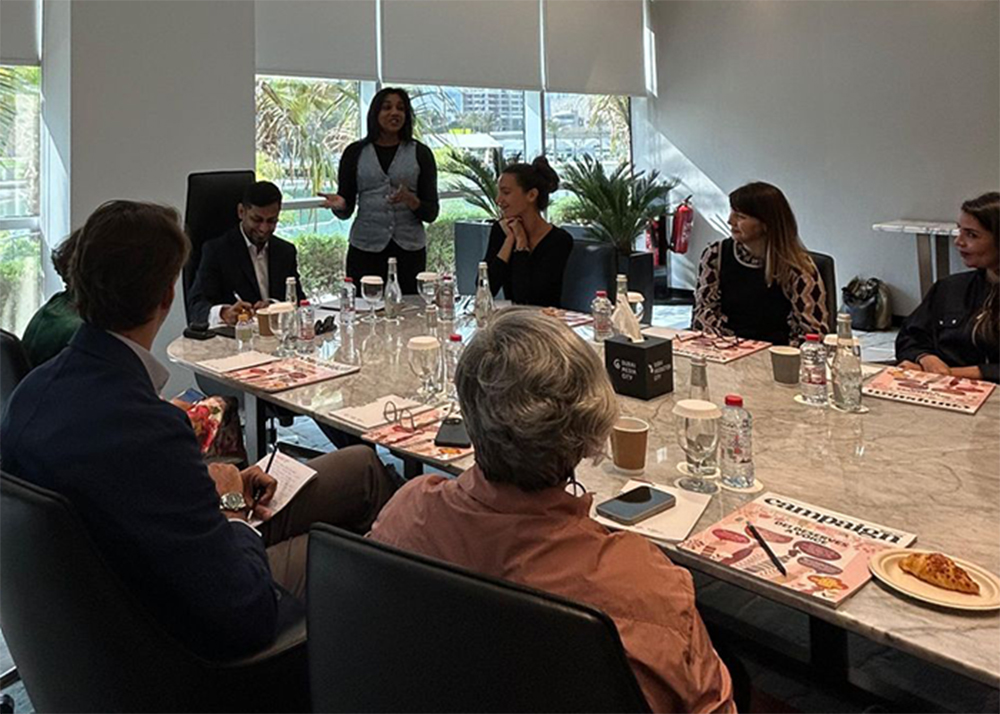
Across the table, leaders reached a consensus: Diversity is akin to a party invitation, but true inclusion means being invited to the dance floor.
Building on this metaphor, they insisted that industry leaders must be held accountable for laying down the right ‘policy’ floorboards for the dance floor, build the right ‘culture’ playlist that encourages people to dance, and then consciously create the ‘right environment’ that not only ‘mentors’ people to dance, but also ‘celebrates’ them when they do.
The discussion highlighted how inclusion is no longer a reputational flourish; it’s a lever for growth. The conversation moved the DEI narrative past platitudes, delving into tangible evidence in operations and the ‘messy middle’ where culture, policy and commercial realities collide.
Panellists revealed how inclusive teams raise creativity, reduce churn and widen relevance – while, simultaneously, warning how tokenism and performative case studies can hollow out intent.
Another recurring theme was measurement beyond the spreadsheet. DEI outcomes were framed in hard metrics and lived experiences. Panellists called for leaders to unlock equal access to opportunity, for women employees in the workplace to claim their rights, for prejudices to get called out, for work to be allocated based on merit, for success to be redefined based on quality of project completion, for flexible work-life policies to become commonplace, and for teams to feel safe enough to speak up.
Several voices cautioned that while inclusivity can drive revenue, bias and burnout carry very real costs. They echoed findings of the World Federation of Advertisers (WFA) Global DEI Census, which stated that one in every seven people would consider leaving their company – or the industry altogether – if the lack of sufficient equity and inclusion was left unchecked. Here are some salient takeaways from the discussion.
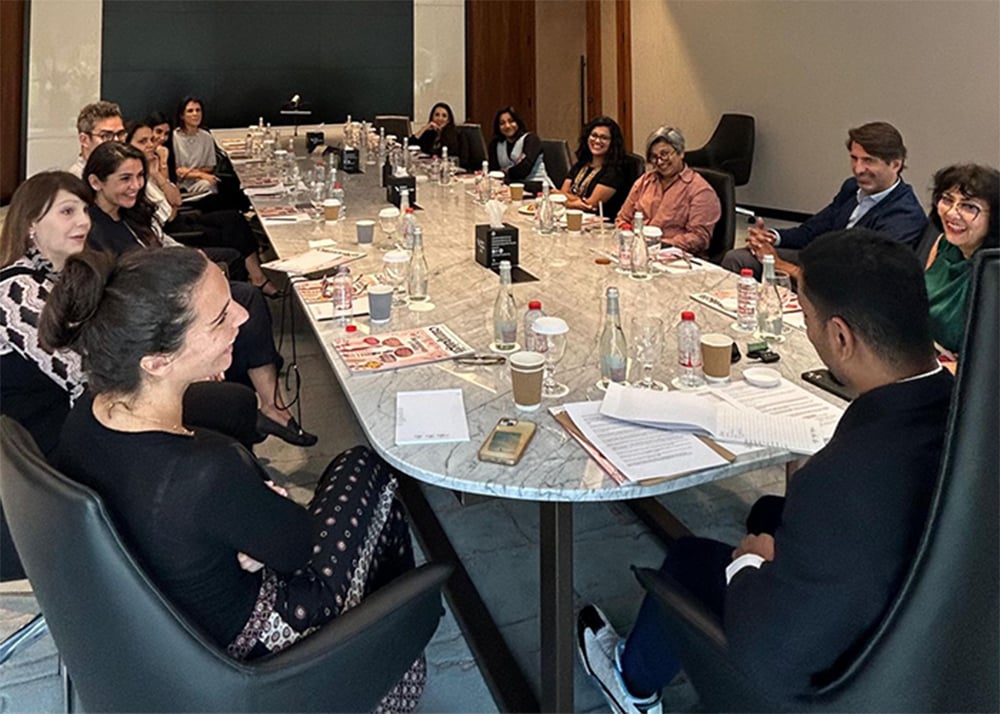
The DEI dialogue: Does inclusion = income?
Leaders explained how brands are putting inclusion into practice through tangible CSR programmes, and through substantial internal policies and processes.
Examples were shared of how brands have moved ‘inclusion’ from press releases to social impact, citing a programme in Egypt designed to remove barriers for women farmers. The initiative reached approximately half a million women across the Middle East and Africa, improving productivity, income and food security. Some of these farmers even qualified as suppliers, accessing avenues to sustained revenue and growth.
Another shared how appointing a creative director from an underrepresented group transformed a luxury house, bridging street culture and craftsmanship, attracting a new generation of clients, diversifying the portfolio and lifting revenues – while boosting a sense of belonging among employees.
Panellists agreed that DEI in the workplace – right from the early planning, ideation and strategy stages of a campaign – directly impact its effectiveness.
To anchor the commercial case, the room reiterated the fact that inclusion equals income: They detailed how a diverse team correlates directly to higher levels of creativity, better productivity and has a direct impact on the profit and loss (P&L) statement.
These insights echoed discussions at Cannes Lions and insights from the Unstereotype Alliance’s Inclusion = Income study, which shared empirical evidence that inclusive advertising drives positive commercial outcomes, allowing brands to choose both profit and people through authentic representation.
Yet, it’s not always a bed of roses: Addressing bias and being courageous carries very real costs. While inclusion leads to profitability in the long-term, it also often requires leaders to say ‘no’ to requests for proposal (RFPs), or talented people, or partners who do not align with their values.
In a market where competition remains extremely high, where margins are low, and where as many agencies are shutting shop as are launching – it remains quite tempting to sacrifice policies in the pursuit of profitability.
Yet, if this route is chosen, the cost on culture could be great, leaders caution. They cited a study that stated ‘when women work for pay, their children suffer’. Reiterating that it takes a village to raise a child, leaders stated that the industry has a shared responsibility in helping fathers, mothers and children in the workplace.
Policies, culture and measuring what matters
Panellists stressed the need to not only create the right policies, but also put them into practice. Policies institutionalise accountability; culture translates them into daily behaviours.
They described the dissonance that currently exists between being ‘a diversity hire’ and being sidelined when clients walk in. The critique was blunt: box-ticking in staffing, gatekeeping in rooms, and rationalisations based on ‘who and what clients prefer’ permeate the industry.
The solution? It takes two to tango, panellists emphasised. Leaders must create a psychological ‘safe space’ and iterate policies based on continuous feedback. Meanwhile, employees must be brave and courageous enough to critique policies – or the lack thereof – calling out inequity when they spot it, even if it isn’t directed at them.
If diversity is akin to being invited to the party, and inclusion is akin to being invited to the dance floor, then, the organisation must also play the right music to create the right environment to ‘dance’.
Leaders called for rooms where ideas can be tested, opinions offered and mistakes made – without penalty. They advised regular workshops to address unconscious bias, invite quieter voices in, model boundaries and reframe biased language in real time.
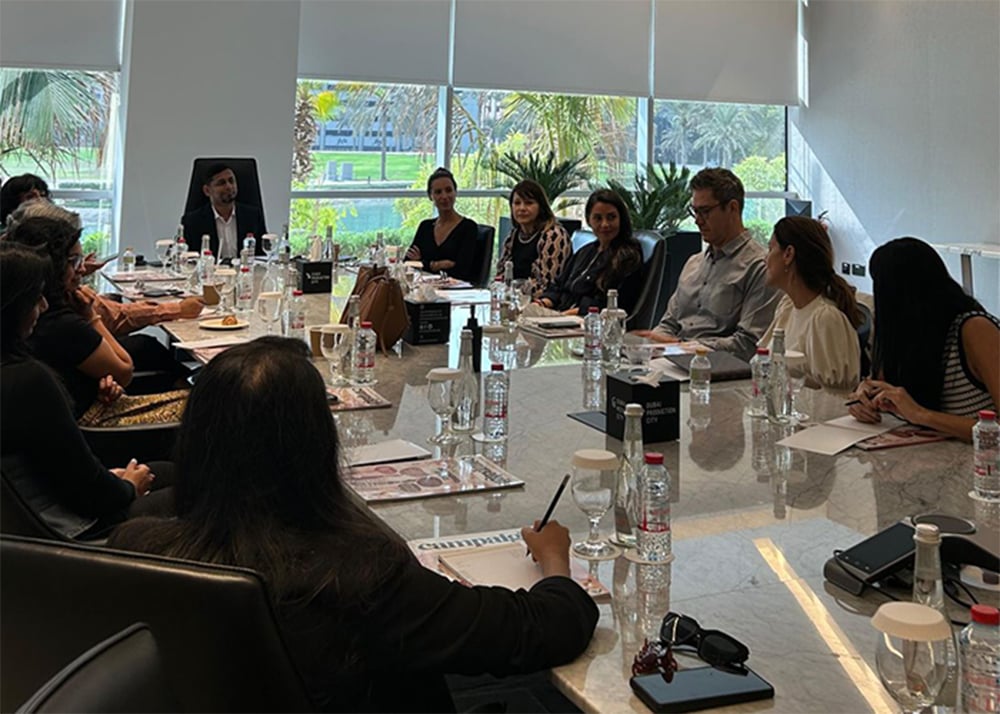
For instance, they suggested a shift from using terms such as ‘boisterous’, ‘loud’, ‘aggressive’ and ‘emotional’ to using words such ‘passionate’, ‘inspired’ and ‘zealous’ while describing the tone of a fervent discussion.
They also advocated practising ‘conscious inclusion’, which involves asking even the ‘silent smart ones’ for their informed opinions instead of simply sitting by while the lively voices dominate discussions.
But what if the industry chooses to ignore all of this? Well, the choice must be made now. Several thousand people surveyed have either already exited the industry – or are actively planning to – because they don’t feel heard or valued, or are forced to make seemingly ‘impossible choices’, or are struggling to deal with the stress and anxiety, which have become a norm rather than an exception.
All in all, what were the final takeaways from this conversation on DEI?
- Tie inclusion to creativity, growth and profitability;
- Take another good look at team composition and behaviours;
- Train and retrain for unconscious bias;
- Encourage managers to intervene on language and process.
- Codify flexible work, parental leave and meeting norms;
- Enforce boundaries as a team rule, not individual exceptions.
- Share case studies and progress transparently;
- Celebrate wins to raise the bar for the industry;
- Practise conscious inclusion: invite perspectives, make space.
The unanimous accord: Each one of us has a role to play. Drive small changes that make a big difference.
The party has started. Cue the right music. Create the right space. Invite people to the floor. Let them dance. That’s what will drive footfall, conversions and profitability.