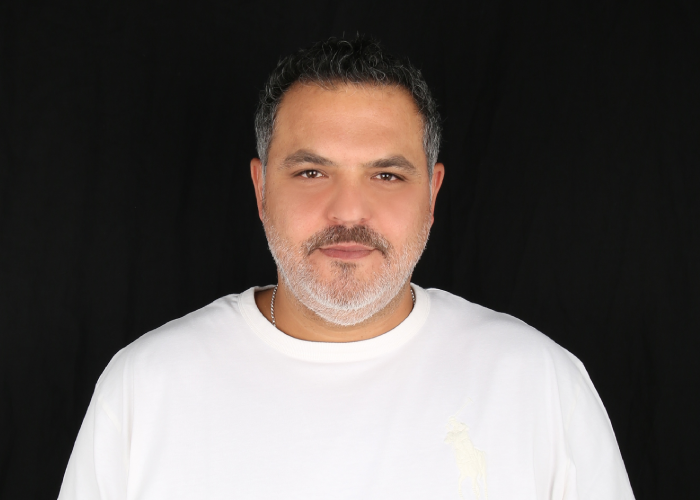
 Tarek Khalil, Regional Managing Director, VICE & VIRTUE Middle East.
The Middle East is sitting on a creative opportunity most brands haven’t woken up to.
We’ve spent the last decade mastering branded content. It has become the default answer to every brief. But the truth is, most of it doesn’t move people. It doesn’t build brand. It doesn’t last.
Because most branded content isn’t built to matter. It’s built to tick a box.
Meanwhile, the work that does break through looks a lot less like advertising and a lot more like entertainment. Not surface tricks. Real storytelling. Built with emotional depth, cultural intelligence, and audience intent. Not to fill a channel. To earn a place in someone’s life.
That is where the future is. And we are not claiming enough of it.
The deadline to Campaign’s Agency of The Year Middle East awards is fast approaching on September 18. Click here to submit your entry now for a chance to be recognised as the best in the region.
Entertainment is not a format. It’s an advantage.
Audiences have never had more control over what they give their time to. They are making active choices, not just watching what lands in their feed. The work that earns attention today does so because it connects. Not in a fleeting way. In a lasting way.
Take Drive to Survive. It turned Formula 1 into a global obsession by showing the human side: rivalries, stakes, personalities. Then came F1: The Movie with Brad Pitt, filmed with real F1 teams on real tracks, built around redemption and mentor-apprentice dynamics. Even music played a role, with The Chemical Brothers creating “We’ve Got To Try,” a surreal video that pulled F1 into popular culture. These were not random projects. They were deliberate steps in building cultural presence. In the United States, viewership among under-35s rose by almost 50 percent after the first season of Drive to Survive. Ticket sales surged. Merchandise sold out. Formula 1 became more than a sport. It became a story.
Now compare that to a Rolex spot with Carlos Alcaraz. The production is flawless. The athlete is inspiring. But does it deepen your relationship with the brand? Not really. It’s branded content. And it stays branded content. You walk away remembering the tennis, maybe the player, but not the watch.
One brand created fans. The other created footage.
Culture rewards those who invest in it
The best brand building today looks less like messaging and more like original IP. Something that can be returned to. Extended. Evolved. It is no longer about campaigns. It is about cultural presence.
Take The White Lotus. A dark satire about privilege and power that lifted tourism numbers across multiple countries. After the third season was teased, Koh Samui saw a 40 percent jump in hotel searches. Once the season launched, bookings spiked by 65 percent. In Sicily, the San Domenico Palace was sold out for months. In Maui, the Four Seasons saw availability checks rise by 386 percent. These are commercial outcomes, delivered by story.
Or look at Something Like Home, a short film by Duolingo. It follows Syrian refugees in Turkey and Jordan learning new languages to rebuild their lives. There is no hard sell. The product isn’t the focus. The story is. And the impact is real. It builds relevance. It builds trust. It builds belief.
This is what entertainment done right can do. It does not chase attention. It earns it. It does not ask for permission. It creates belonging.
The Middle East’s culture is powered by youth, creativity, and a hunger for change.
We have one of the youngest, most culturally fluent audiences on the planet. People here aren’t waiting to be marketed to. They are remixing, reacting, and rejecting anything that feels inauthentic.
But most of what we give them? Safe work. Sanded edges. Message-first thinking.
Our region is bursting with stories, talent, and energy. What it needs now is belief. Not just in audience insight or brand strategy. But in entertainment. In emotion. In bold, original IP built for people, not platforms.
Right now, we don’t have our version of Drive to Survive or The White Lotus. But we will. The ingredients are here. The only thing missing is backing.
We already have platforms with global reach, regional credibility, and serious cultural pull. The region’s streamers and broadcasters have proven that audiences are hungry for Arabic-language, locally relevant stories with emotional depth and staying power. But while the entertainment industry is building IP that travels, brands and cultural platforms are still playing it safe. Where is the brand-backed docuseries that matters? The original format with something to say? The infrastructure is here. What’s missing is the will to build brand-led stories that live beyond the campaign cycle. Stories that earn their place in culture, and can stay there.
Don’t just show up. Build something worth showing.
Entertainment is not a tactic. It is a strategy. A serious one. And the brands that succeed in the next five years will not be the ones who interrupt culture. They will be the ones who help shape it.
That means fewer assets. More impact. Fewer outputs. More ownership. Less brand-first thinking. More audience-first intent.
It might be a podcast. A series. A documentary. A format we haven’t seen yet. The shape does not matter. What matters is that it was built with people in mind. Built to travel. Built to last.
This is not the job of your media plan. It is the job of your leadership team.
The opportunity is here. The region is ready. The only question left is who will make the first move.
By Tarek Khalil, Regional Managing Director, VICE & VIRTUE Middle East