As per the Statistical Centre for the Cooperation Council for the Arab Countries of the Gulf (GCC-Stat), the Arabian Gulf is projected to experience enormous growth, with visitor spending expected to reach $223.7bn by 2034.
This momentum has been fuelled by the region’s ability to capture the world’s imagination with its striking skylines, record-breaking events, and cultural showcases that bridge tradition and modernity.
Within this regional rise, Qatar has emerged as a global pioneer, with its tourism sector contributing 8 per cent to the economy, which is equivalent to 55 billion Qatari riyals ($15.1bn) in 2024 and with ambitions to raise this share to 12 per cent in the coming years.
Yet, as impressive as this progress has been and is projected to be, there is an emerging truth: while infrastructure may put us on the map, it is the world-class quality of services that will keep us there.
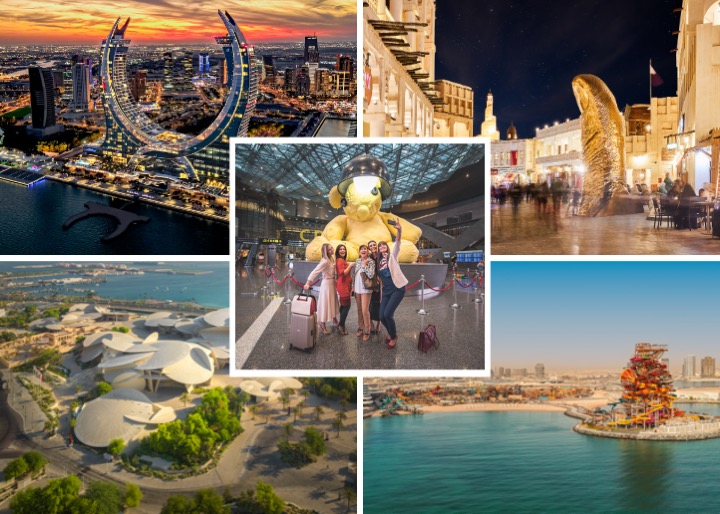
Visitors return not for the landmarks they once photographed, but for the way they were made to feel, from seamless immigration procedures and efficient airport services delivered through Hamad International Airport and Qatar Airways – both ranked among the world’s best – to positive encounters with taxi drivers, hoteliers, and local guides across Qatar’s attractions, from Souq Waqif to the National Museum of Qatar.
Every touchpoint must be designed to ensure a welcoming, safe, and memorable journey. This is achieved through global, strategic, and purposeful initiatives and partnerships that raise standards across the sector, instil trust in quality, and actively shape the tourism industry.
This shift is already underway in Qatar. What began as initiatives following the latest trends for training programmes and sector-wide improvements have evolved into a culture of service embedded in every detail of the visitor journey.
Through Qatar Tourism’s award-winning Service Excellence Academy, frontline professionals gain the skills to deliver memorable experiences. Even tour guides are empowered through specialised training, ensuring authentic storytelling and meaningful connections. Together, these initiatives are not only raising industry standards but ensure service excellence is embedded as part of our national tourism identity.
These are but a few examples under the umbrella of initiatives that work across every touchpoint, improving accessibility, regulation, and visitor services and experience.
Global partnerships also play an equally important role. Our collaborations with the Michelin Guide and with Ipsos to deliver “Taste of Qatar” introduced globally recognised benchmarks, celebrated local talent, and positioned the country’s dining scene as both authentically local and globally competitive.
Meanwhile, our partnership with UN Tourism to launch the Qatar Tourism Awards institutionalised excellence, aligning recognition with sustainability, innovation, and customer experience. Awards may be given to a few, but their ripple effects inspire an entire sector, driving businesses to innovate and raise their standards.
Additionally, these initiatives incorporate the sustainability factor, ranging from eco-friendly hotels to sustainable heritage sites, positioning the country as a tourism hub that balances growth with responsibility.
What excites me most is how these efforts empower the entire ecosystem. From boutique hotels and local tour guides to transport operators and destination management companies, everyone benefits when international best practices become part of the national fabric. Excellence stops being the preserve of flagship projects, it becomes a collective responsibility, shaping every detail of the visitor journey.
This dynamic also sparks healthy competition across the region. When one GCC destination sets a benchmark such as the above examples set by Qatar, others are inspired to respond, creating a cycle of innovation and improvement that ultimately benefits the traveller. Progress does not stop at the border, it flows across them, strengthening the Gulf’s reputation as a whole. This momentum will gain even greater force once the GCC unified visa is implemented, further facilitating seamless travel and regional integration.
Looking ahead, the Gulf’s tourism story will be defined less by the scale of development and more by the depth of the experiences we deliver. The true value of these initiatives and global partnerships is embedding credibility and raising standards that endure. They transform growth into legacy, visitors into advocates and moments into memories. The Gulf’s next chapter will be shaped not only by what we built, but by the memories created, the standards we set, and the stories that visitors take home.
By Omar Al Jaber, Chief of the Tourism Development Sector at Qatar Tourism