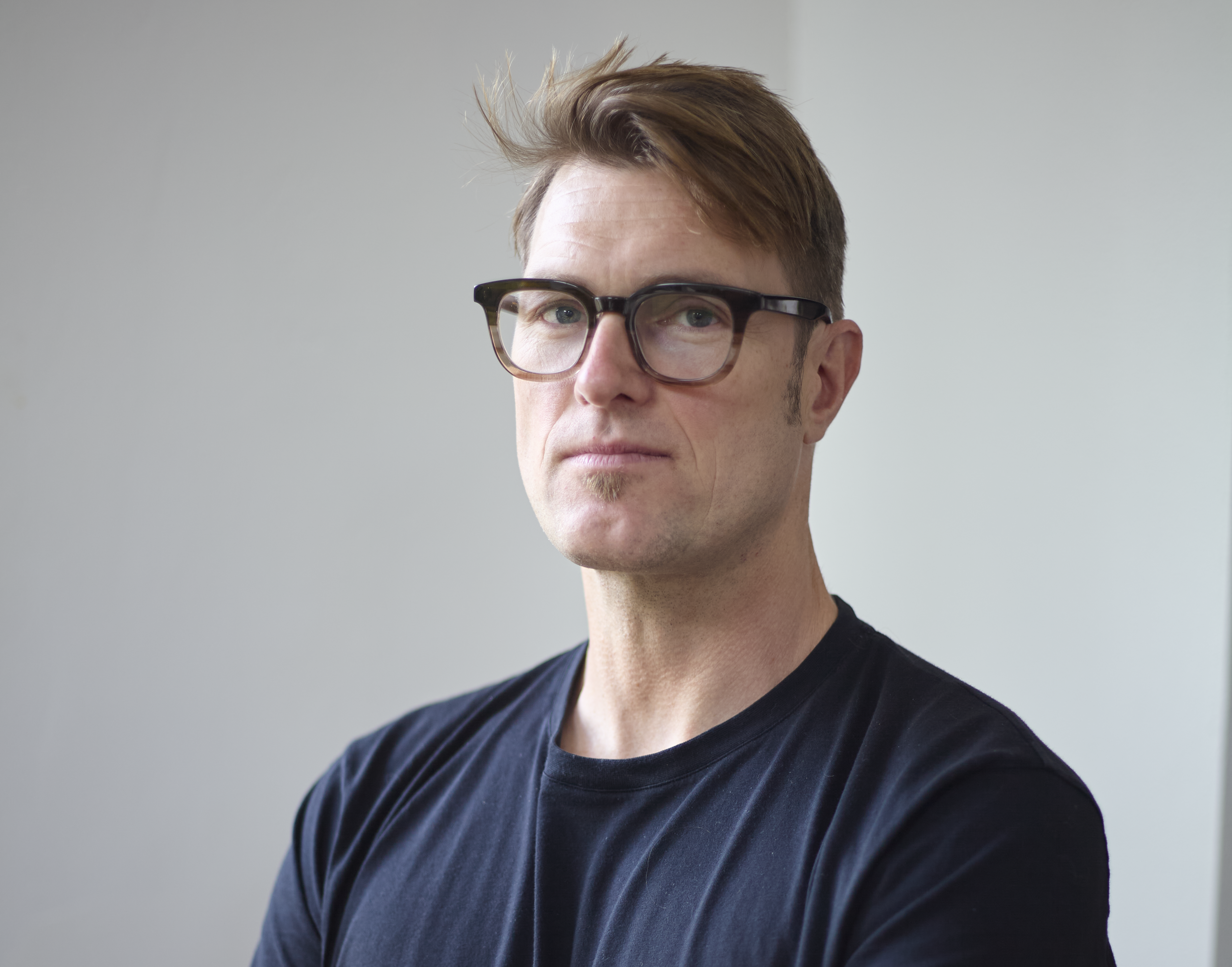
 Benji Wiedemann, Co-founder and Executive Creative Director, Wiedemann Lampe.
We’re experiencing incredible economic growth in the Middle East at the moment. With GDP in the region forecast to rise by 3.5 per cent in 2025 and mergers and acquisitions surging by 149 per cent in the first half of the year, there’s no denying the pace of change. But often accelerated growth comes with challenges. Diversifying businesses can become unwieldy and struggle to bring clarity to their organisation. Too often they neglect to marry business strategy with brand, when the two should go hand in hand.
Brand and business: A symbiotic relationship
Brand shapes meaningful, sustainable and audience-oriented transformation. Its relationship with business should be symbiotic to turn a reactive pivot into a well-orchestrated evolution. While business strategy asks, “What can we do better?”, brand strategy pushes for “What role do we play in people’s lives?”. It connects the dots between a business’ ambition and the way it’s perceived by its audiences.
Rushing to communicate change externally through new logos or above the line campaigns can result in superficial output, mere renaming exercises that fail to consider the wider principles of brand thinking needed for deeper transformation and long-term viability.
There are fundamental differences between the traditional strategy-driven approach to business change and brand-led transformation – and the faster and more complex the change, the more important it is to work through the implications of a business restructure from a brand perspective.
Focus on the audience perspective first
For example, while traditional business strategy often relies on benchmarks to envision a future, brand thinking helps you imagine beyond what’s gone before and make sense of a business for a new era. It frees you up to take a step back and look at what needs to be put in place to ensure lasting change.
Mashreq Bank, for instance, recognised this with its recent repositioning. Once considered stalwart but outdated, its transformation aligned its legacy credibility with a modern, digital identity tailored to younger audiences. The result was streamlined messaging that resonated both internally and externally.
This human-centred brand approach is responsive, flexible, and delivery orientated, different to the traditional management consultancy process that tends to live in abstraction. It’s particularly important for companies in the Middle East that are looking to position themselves on a more global stage, like Mashreq or Saudi Arabia Mining Company recently rebranding as Maaden.
Get cultural buy-in
As well as keeping the external audience in mind, going through the brand-led transformation process helps you get internal buy in. Yes, it’s about delivery, but more importantly, it needs to be about galvanising people within your organisation.
The way you do that is through brand engagement and transforming organisational culture – so that everybody understands how upcoming business changes affect people and processes. Individuals within a company need to understand why change matters to them, and brand helps answer that ‘why’. It connects change with purpose.
In a sense, it is the ultimate vehicle for business transformation. Business transformation is a technicality, it is monetary. The brand is what makes it meaningful. It takes everyone on a journey beyond a PowerPoint presentation.
For instance, in our work to reposition and rebrand state-owned Etisalat to e&, brand played a huge role in supporting and strengthening the company’s ambitious evolution from national telecommunications to international technology business.
The brand process informed everything, from the holding company’s business structure to a new employee values proposition and iconic new name. Ultimately, it helped e& become one of the strongest brands in the Middle East, according to Brand Finance.
Use brand architecture to bring clarity
Such projects also highlight how important it is to recognise the distinction between organisational structure versus brand architecture, especially when companies evolve beyond their core services. We’ve seen it play out time and again where growth or mergers can lead to sub-brands that exist simply to satisfy internal stakeholders rather than audience needs.
Good brand architecture doesn’t just replicate an organisation’s structure but reflects and refines how the organisation operates and helps audiences navigate complex offers. It can help signal the extent and scale of an organisation, clarify the relation between its different entities, and allow you to optimise and maximise the distinct brand equities within your business to create values for the overall brand. You always need to frame transformation in reality – think of how it truly impacts stakeholders – and brand architecture is the ultimate framework to do so.
This becoming increasingly urgent. The Middle East is experiencing a rush toward change, growth and evolution. Companies here are not just competing to grow. They’re looking to matter – and not just at national level but on an international stage. In this race, brand is no longer optional. It’s the edge that ensures you’re not only playing, but leading the way.
By Benji Wiedemann, Co-founder and Executive Creative Director, Wiedemann Lampe