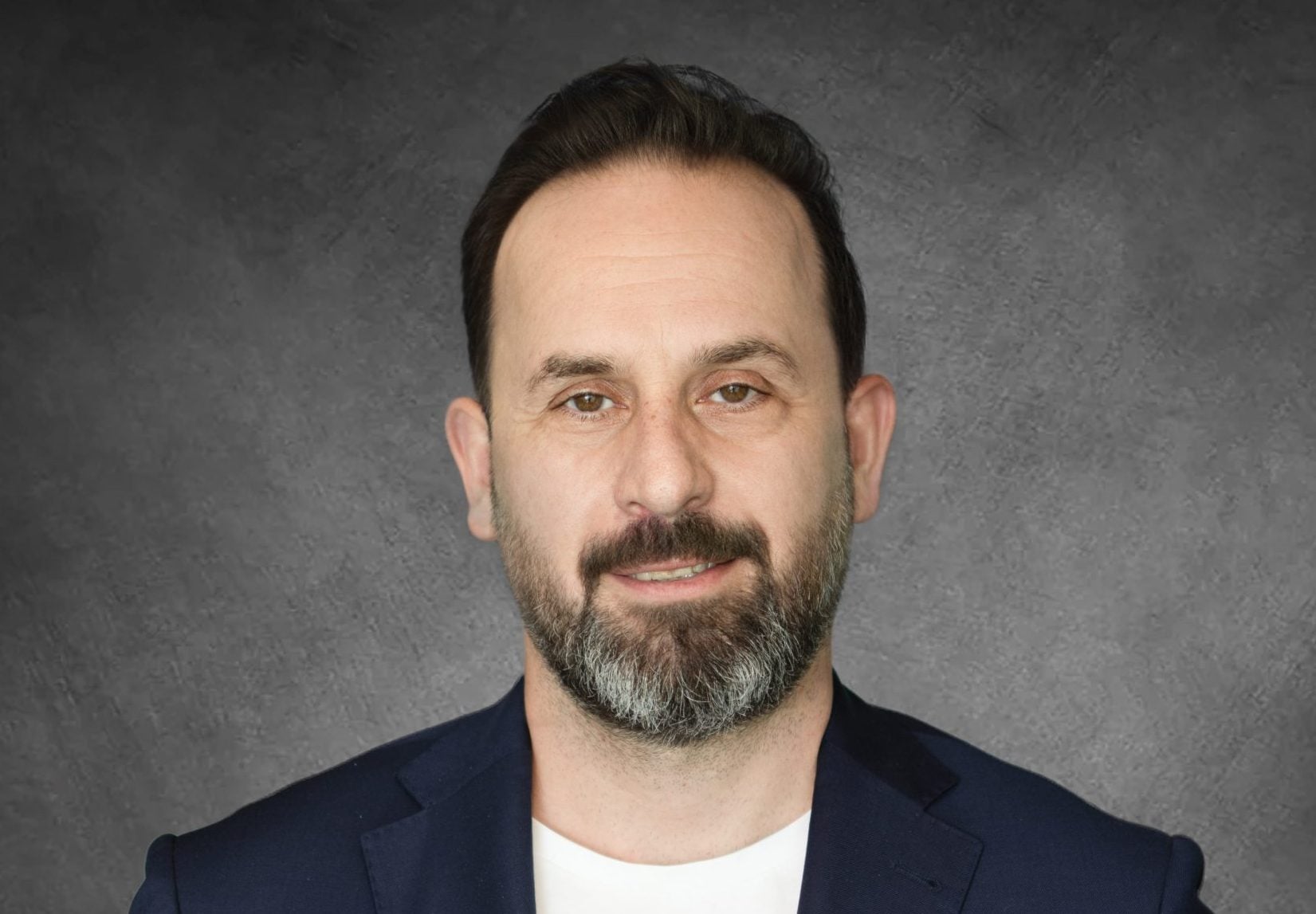
In this industry snapshot, Dentsu‘s Managing Director, Ahmad Haidar shares insight into how the pace of change in the Saudi Arabia marketing landscape is forcing brands, agencies, and marketers to rethink old playbooks.
What are global brands still getting wrong about marketing in Saudi?
The most common misstep is treating Saudi as a translation exercise rather than a transformation opportunity. There is still a tendency to localise global campaigns superficially, without fully adapting to the cultural, behavioural, and emotional context of the market. Saudi consumers are among the most digitally sophisticated and culturally expressive globally. They don’t just consume content, they shape it. Brands that rely on imported narratives often miss that dynamic. What works here requires a deep understanding of local identity, language, humour and social norms.
How have Saudi client expectations changed compared to two years ago?
Client expectations in Saudi Arabia have evolved in line with the scale and ambition of the market itself. The Kingdom is no longer just a key regional market, it is setting new benchmarks across MENA and increasingly on a global level. As a result, clients now expect strategies that reflect this growth, not just well-executed campaigns. There is a clear demand for fully integrated, culturally grounded work that matches the sophistication of Saudi audiences, who are highly engaged and increasingly discerning. At the same time, expectations around accountability have sharpened, with a stronger focus on measurement, performance, and speed of optimisation. The shift is clear: from campaign delivery to business transformation, where agencies are expected to bring foresight, scale, and true market understanding.
What are the key ingredients to creating Saudi work that is on par with global work?
World-class Saudi work is built on three pillars: insight, integration and craft. It starts with a deep, culturally grounded insight that reflects how people live, think, and engage in the Kingdom today. That insight must then be translated into a cohesive idea that travels seamlessly across channels, not fragmented executions. Finally, it requires a high level of craft in storytelling, production, and experience design. The ambition should not be to imitate global standards but to set them. When local authenticity is paired with disciplined execution and integrated thinking, Saudi work doesn’t just compete globally; it leads.
The industry in Saudi needs to do more to support …
structurally invest in Saudi talent and creative development. The depth of potential is already there. What’s needed is more platforms, mentorship, and real opportunities to translate that potential into impact. Initiatives like “Play the Moment” at Athar Festival demonstrated the thinking and creativity coming from young Saudi talent, the quality of ideas was not just promising, it was competitive. This reinforces the responsibility we have as an industry to nurture, expose, and scale that talent. Sustainable growth will depend on how effectively we build and empower the next generation.
The trend that will influence marketing strategies the most over the next few years is…
The defining trend will be the shift from reach to attention and from data to intelligence. As audiences become more fragmented, the ability to capture meaningful attention, not just impressions, will reshape how media is planned and measured. At the same time, AI and advanced analytics are moving the industry toward predictive, real-time decision-making. In Saudi Arabia, where digital consumption is among the highest globally, this shift is amplified. Brands will need to move beyond visibility toward relevance, using data not just to report, but to inform and anticipate behaviour at scale.