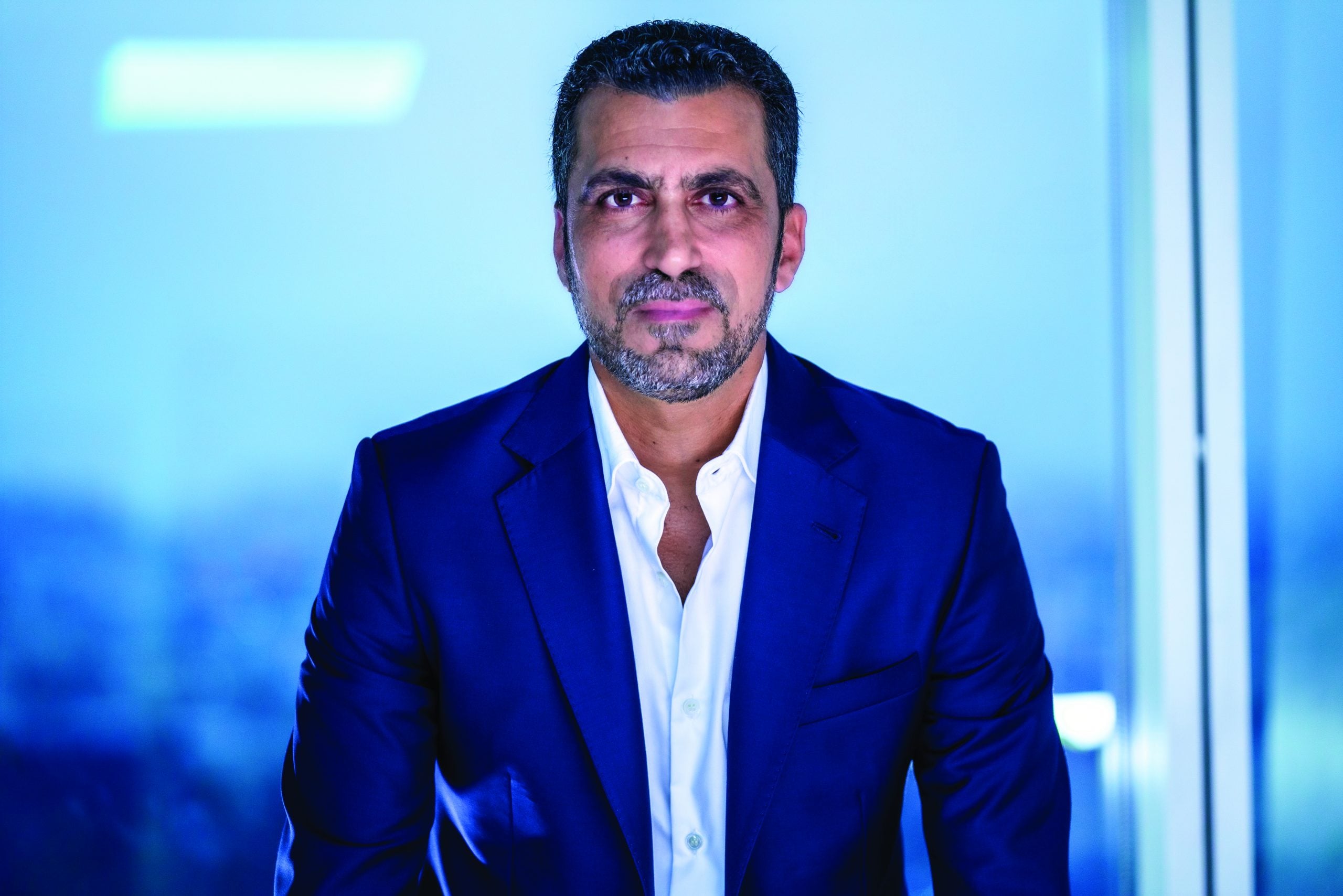
The PR, events and experiential industry in MENA has shifted into a digital-first, influencer-driven landscape. Celebrity-led events and dated PR models are losing traction, while micro-influencers, immersive activations and joint authorship with creators are reshaping campaigns. In this industry snapshot, Cicero & Bernay’s Tariq Al Sharabi explores the strategies driving relevance and results.
How would you describe the current state of the PR/ Events and Experiential industry in the MENA region?
The PR and experiential landscape has moved further into a digital-first mindset, with campaign volumes continuing to grow. This is fuelled by demand for immersive activations and a sustained push for innovation-led experiences. Most of what’s projected to be multi million-dirham influencer marketing spend is now going to micro- and nano-influencers, which is a clear shift toward credibility and relatability over scale, driven by fatigue with repetitive voices online. Events built solely on celebrity appeal or dated, boilerplate messaging are losing traction, particularly in an era of AI-generated sameness. Campaigns without interactivity or story-led content see engagement drop by up to a third, as audiences demand originality and meaningful two-way value.
What kind of PR briefs are becoming more common today?
What we used to know as just PR doesn’t exist anymore. It’s communication, it’s marketing, it’s solving a situation, whether that’s driving sales, building visibility, or creating traction. The old model doesn’t work and shouldn’t exist moving forward. Growth lies in a 360° communication approach built on strategy, insight, data, and analysis, where agencies act as strategic advisors, rather than order-takers.
While full AI adoption isn’t here yet, generative video has accelerated ahead dramatically as a likely game-changer for agencies, creators and the public, alongside data-driven storytelling that builds platform-native narratives and targets audiences with precision in the spaces they already inhabit.
How are you adapting traditional PR strategies for a region that’s increasingly digital-first and influencer-driven?
By adapting strategies to prioritise joint authorship between agencies and digital creators, we’re making campaigns feel more natural and perform better. Ideation and execution work best when developed together. With more and more consumers now trusting influencers over traditional brand messaging, creators can’t be an afterthought. They need to be part of the strategy from the outset. On platforms like TikTok and Snapchat, where visual storytelling has become the new press release, co-creation is the standard for engaging a changing audience.
What role does earned media play in today’s PR mix in the region and is it still considered the ‘gold standard’?
Earned media is still something we all seek, but it can’t be the sole focus. The days of hiring a communication agency purely to “get media coverage” are over, because on its own it won’t deliver the traction, reach or coverage brands expect, especially when even the most credible publications have paywalls, paid packages and partnership requirements.
A well-planned marketing mix that blends earned and paid is essential, with agencies providing holistic counsel so every dollar delivers maximum value. The real task is helping clients move past the idea that PR operates separately from the wider marketing framework. Strategic, integrated solutions deliver value across channels – and that’s where the real results happen – with solid agencies who provide clear rationale.