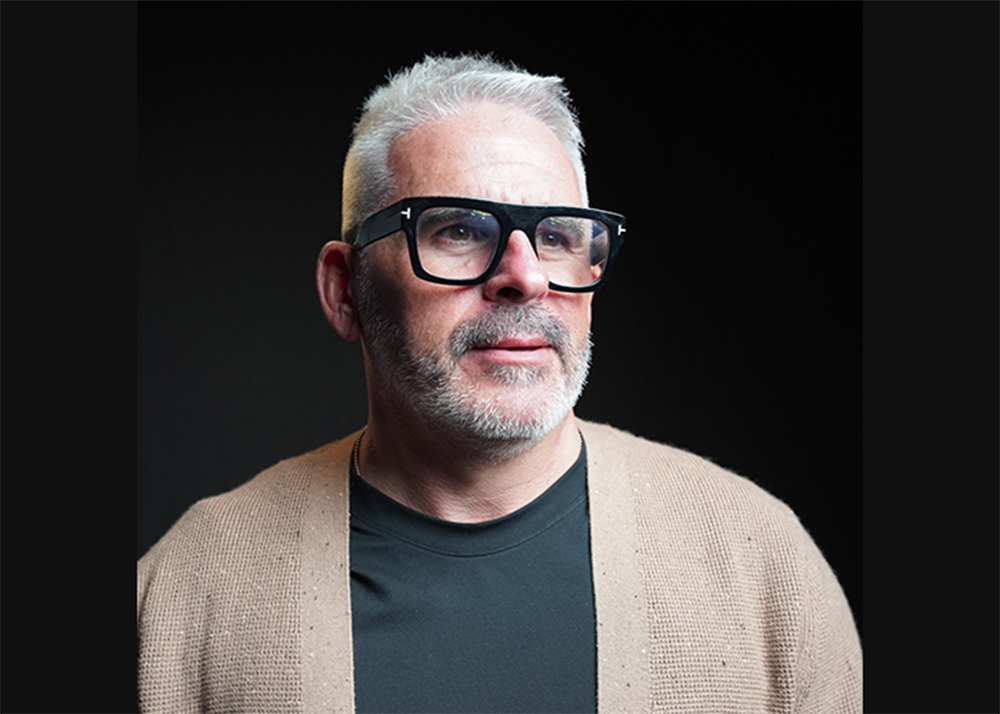
 Matt Butterworth, Founder, thenobullpartners
Most brands are addicted to noise.
They operate on a default setting that rewards immediacy and mistakes visibility for value. Say more, say it faster, say it louder. It’s a desperate scramble for attention, fuelled by the absurd fallacy that if you just shout enough, someone will eventually listen.
Take Sheikh Zayed Road: a plethora of shouting billboards all screaming for your attention, he who shouts loudest gets heard. But guess what, how many billboards do you truly remember, despite all that screaming?
Tickets to Campaign Middle East’s Ramadan Breakfast Briefing & The Year Ahead event are selling out fast. Click here to claim your seat for Friday, 13 February to network with and listen to top clients and agency leaders.
Yet, when you look at the brands that actually endure, the ones that command loyalty and build real equity, they behave differently. They don’t over-communicate. They don’t chase every trend. They don’t shout from the rooftops, They don’t constantly adjust their tone to match the timeline.
They are confidently quiet. And that is precisely what makes them powerful.
A quiet brand isn’t a silent one. It speaks with purpose and intent. Where reactive brands fill every channel with noise, quiet brands are selective. Their restraint isn’t a lack of ideas; it’s a signal that they know which ideas matter.
This is often misread, especially by clients. Quiet is confused with passive, but the two are miles apart. Passive brands withdraw because they lack clarity or conviction. Quiet brands move with precision. They aren’t invisible; they simply aren’t bothered by being everywhere, all the time. They’ve done the hard work of defining their value, so they don’t need to constantly justify their existence. But it takes bravery to be quiet.
From personal experience, this becomes most apparent in categories where trust is the primary currency: education, healthcare, financial services.
When people are making high-stakes decisions for their families, their wellbeing, or their future, they don’t want brands that feel performative. They want stability. They want confidence. They want to feel that the brand on the other side knows what it’s doing and doesn’t need to prove it at every turn.
That is where quiet brands win. Because in those moments, sounding confident matters far less than being credible.
The problem: When noise becomes the enemy
Here’s what most brands don’t understand: the louder you shout, the less people believe you.
We conducted a parental research study for The Scholars School launch, surveying 400 parents in Dubai’s private schools. The findings were brutal. Ninety-three percent feel overwhelmed by school marketing. Ninety-one percent say exaggerated claims reduce their trust. Ninety percent feel schools under-deliver on promises.
In a market saturated with noise, the overwhelming volume of information and polished messaging isn’t building trust, it’s destroying it.
Sixty percent of parents describe themselves as risk-averse when choosing a school. This isn’t weakness. It’s rational. When the stakes are your child’s education and future, caution is appropriate.
But here’s where schools get it wrong: they respond to risk-aversion with more noise. Bigger promises. Bolder campaigns. More claims about transformation and world-class education. They’re shouting louder at people who are already overwhelmed and skeptical.
The insight: Listen first, speak second
When we started working with The Scholars School, we did something most education brands don’t do. We listened.
We asked parents what they wanted from schools. Not what schools thought they wanted. What they wanted.
The pattern was clear. Parents want delivery, not promises. They want proof of outcomes, not aspirational messaging. Seventy-nine percent prioritise track record over innovation. Ninety-nine percent care about real-world outcomes like university acceptances.
Parents wanted schools to be honest about what they do, how they do it, and what the results are. They wanted restraint. They wanted credibility.
Strategic restraint: The opposite of everyone else
We spent six months putting this philosophy into practice for The Scholars School, a new premium British curriculum school in Dubai from Scholars International Group (SIG).
The Dubai education market is crowded, shaped by bold launches, future-facing messaging, and aggressive performance marketing machines. The default strategy is to launch with a bang: big promises, big campaigns, constant visibility.
Doing that would have been easy. It also would have been a huge mistake.
Here was a brand built on 50 years of educational heritage, with a track record of high parent satisfaction and world-class academic accreditations. There was no need to posture or inflate the story. The more effective strategy was to do the opposite of everyone else: be quiet.
We called it “strategic restraint.” We refused to exaggerate and let the substance speak for itself. We focused on clarifying the proof points: the heritage, the High Performance Learning accreditation, the alumni success at universities like Stanford and Oxford.
The result was a brand identity and communications plan that felt calm, confident, and deeply credible. It reassures families by showing them exactly what they’re getting: consistency, care, and a proven track record. It doesn’t shout about being “world-class”; it quietly demonstrates it.
Why quiet branding works
This is the missing piece in brand-building today. Too many organisations confuse energy with impact. They equate agility with authority. But thoughtful brands understand the difference. They know that not every moment is worth reacting to, that consistent action builds more equity than constant communication, and that attention is only valuable if it leads to trust.
Quiet branding isn’t just a tone choice. It’s a structural one. It means aligning your product, experience, and messaging so the brand carries weight even when it isn’t speaking. It means designing systems and stories that don’t rely on hype to feel meaningful. It is about making fewer promises and delivering on every single one of them.
This isn’t the easy route. It’s harder. It takes discipline to do less. It requires real confidence to resist the urge to say more than you can prove. It is always easier to publish than to pause, easier to react than to reflect.
But the brands that protect their clarity and focus, the ones that understand when silence is more powerful than noise, are the ones that stand out.
The paradox of credibility
A brand’s value is defined not by what it says, but by what it has already earned. Quiet brands understand that credibility is cumulative. That influence is built, not broadcast. And that in a world where everyone is talking, the strongest signal often comes from those who only speak when it matters.
When parents feel overwhelmed by marketing, when they’re skeptical of exaggerated claims, when they’re making risk-averse decisions about their children’s futures, they don’t need more noise delivered from people like me. They need clarity. They need proof. They need to feel that the brand on the other side has done the hard miles, work doesn’t need to constantly justify its existence.
That’s what quiet branding delivers.
Quiet doesn’t mean playing small. It means playing the long game.
By Matt Butterworth, Founder, thenobullpartners