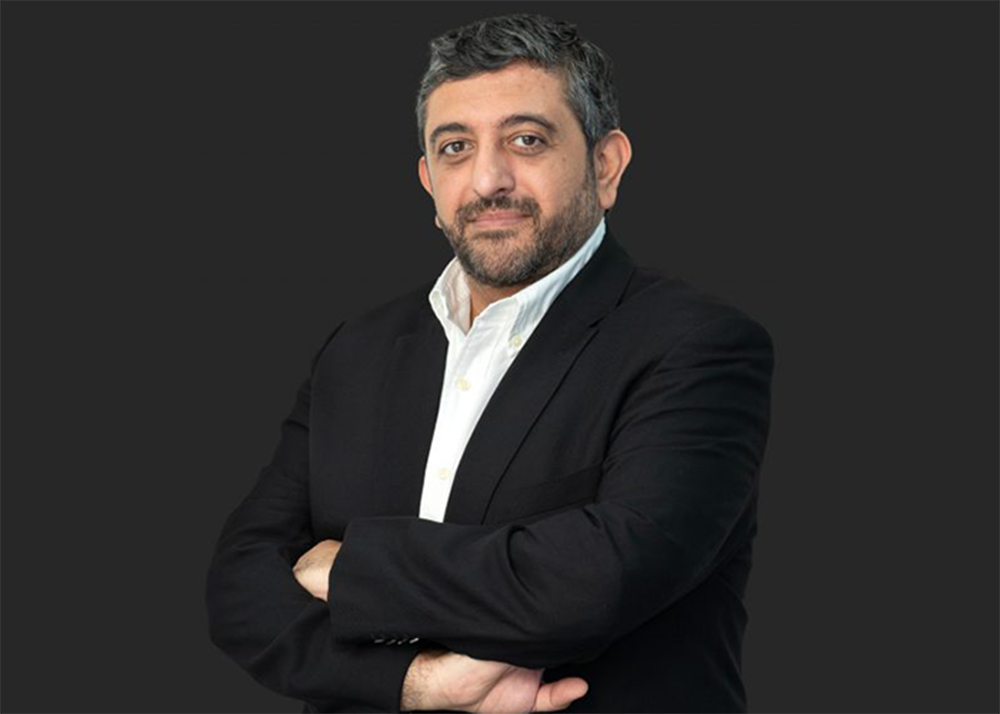
 Roy Nasrallah, Group CEO, Rubicom Agency
At Rubicom, we’ve started changing the titles of the people who sit closest to our clients.
What used to be account managers and client servicing leads are now marketing managers and marketing directors.
On paper, it looks like a simple shift in language. In reality, it forces a different way of thinking about the role, the responsibility, and the value an agency is expected to bring.
We didn’t make the change to modernise titles, we made it because the role of the agency itself has changed. For a long time, agencies were built to deliver. The system was clear: receive a brief, respond to it, manage timelines, coordinate teams, and produce the work. It rewarded people who were organised, responsive, and reliable. Success was measured by how well things moved and how cleanly they were delivered. That model worked when the relationship was largely transactional, the client asked, the agency responded. But that equation doesn’t hold anymore.
Today, growth is harder. Consumer behaviour shifts faster than most organisations can keep up with.
And leadership teams are under constant pressure to prove impact, not activity.
In that environment, brands are not looking for teams that simply keep the work moving. They are looking for partners who can sit in the tension with them understand what is at stake, question direction when needed, and contribute to decisions that shape the business, not just the campaign.
That changes the conversation entirely. When someone operates from a traditional servicing mindset, the discussion stays close to the surface. What needs to be delivered? When is it due? What format, what budget, what scope? Everything revolves around output.
But when that same person shows up as a marketing leader, the conversation moves upstream. What is the brand trying to solve? Where does the product sit in the market? What is the real consumer tension? What actually drives growth here?
The focus shifts from activity to intent. And that shift is not subtle. It is the difference between managing work and influencing direction.
This is where many legacy agency structures begin to break. You cannot expect people to behave like growth partners if their roles are still built around coordination. You cannot ask for strategic thinking from positions that are designed to manage flow.
If the ambition is to contribute at a higher level, then the people closest to clients need to be built and held differently.
A marketing manager should not just move work through the system. They should understand what the business is trying to achieve, what problem the client is actually solving, and whether the work on the table is aligned with that reality.
A marketing director should not simply oversee output. They should be able to engage in conversations around positioning, priorities, and trade-offs and bring judgment when it matters. Not just organisation. Judgment.
This is not about elevating titles for the sake of perception. And it is not about blurring the line between agency and client. It is about ownership.
Ownership changes how you show up. You stop asking only what needs to be done, and start asking why it matters. You connect the work to the outcome. You challenge when something feels off. And you carry a share of responsibility for where the brand is going not just what it produces.
That shift also reshapes the relationship. In the old model, the agency reacts. In the new one, it contributes. In the old model, success is delivery. In the new one, it is whether the work actually moves something forward. In the old model, the agency manages activity. In the new one, it helps shape momentum.
This matters even more in markets like MENA, where growth is fast but rarely linear. Brands need partners who can move quickly, but also think clearly. They need execution, but they also need perspective. They need people who understand that a campaign is not the end product it is one part of a much larger equation.
Agencies that remain structured around delivery will continue to exist. They will do the work. They will meet deadlines. They will be useful.
But they will also be replaceable. The agencies that evolve will earn a different role. Not just the ones who manage the work but the ones who help move the business.
That is where the value is going. Not in doing more. In taking responsibility for what matters.
By Roy Nasrallah, Group CEO, Rubicom Agency.