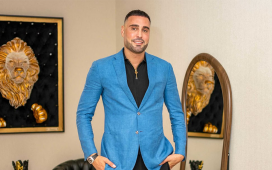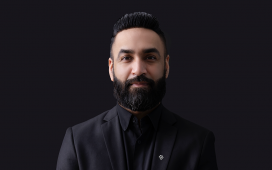



SkyBlu Media Group’s Chairman Dato’ Manikandamurthy Velayoudam discusses with Campaign Middle East the current trends reshaping the regional out-of-home industry, from vertical formats and programmatic to sustainability initiatives.
What new formats or innovations in OOH have caught the most advertiser interest recently?
One of the most exciting shifts in OOH is the move from horizontal to vertical formats, aligning with how audiences now engage with digital and social media platforms like Instagram, TikTok and YouTube Shorts, where audiences naturally engage with vertical storytelling. By adopting vertical screen formats, we’re creating a visual continuity between physical and online platforms – allowing brands to deliver cohesive, cross-channel storytelling that feels natural to today’s mobile-first audience.
How are brands balancing traditional static OOH with digital screens and programmatic buys?
Brands today are striking a smart balance between static and digital OOH by aligning each with their campaign objectives. Static formats continue to play a strong role in long-term brand building, offering scale and presence, while digital and programmatic OOH are increasingly favoured for tactical, short-term activations. They eliminate production costs, deliver wider screen coverage, and offer better efficiency with lower CPMs – making them ideal for brands seeking agility and measurable impact.
How do you see programmatic DOOH changing the relationship between buyers, media owners and technology providers?
Programmatic DOOH is redefining the ecosystem but not replacing relationships – it’s enhancing them. While traditional, relationship-driven agency buys remain central, programmatic introduces greater efficiency, transparency and agility. Technology providers act as crucial enablers, ensuring seamless campaign execution and data-driven delivery.
Has sustainability become a real consideration in OOH production and deployment?
Sustainability has become a core consideration, not just a talking point, in OOH today. Our upcoming 99EV bus fleet with the RTA reflects this commitment – a major step toward greener mobility and cleaner media infrastructure. As part of our business directive, this platform will be offered exclusively to sustainable brands, reinforcing our belief that innovation and responsibility must go hand in hand.
If you could change one thing about the OOH industry today, what would it be?
If I could change one thing, it would be to accelerate the industry’s shift toward technology that drives conversion and measurability beyond traditional branding metrics. OOH has immense potential to connect physical audiences with digital actions – and embracing data, attribution and real-time insights will redefine how brands value and invest in the medium.
Do you feel media spend towards OOH is increasing, and what factors are causing this shift?
Yes, OOH spending is on the rise, driven by a renewed understanding of its role in brand building. Unlike online media, which is often conversion-driven and price-sensitive, OOH creates lasting brand equity and positive perception. Leading digital-first brands like Apple, Netflix and Amazon continue to invest heavily in OOH because they recognise that conversions alone don’t build brands – consistent visibility and trust do.