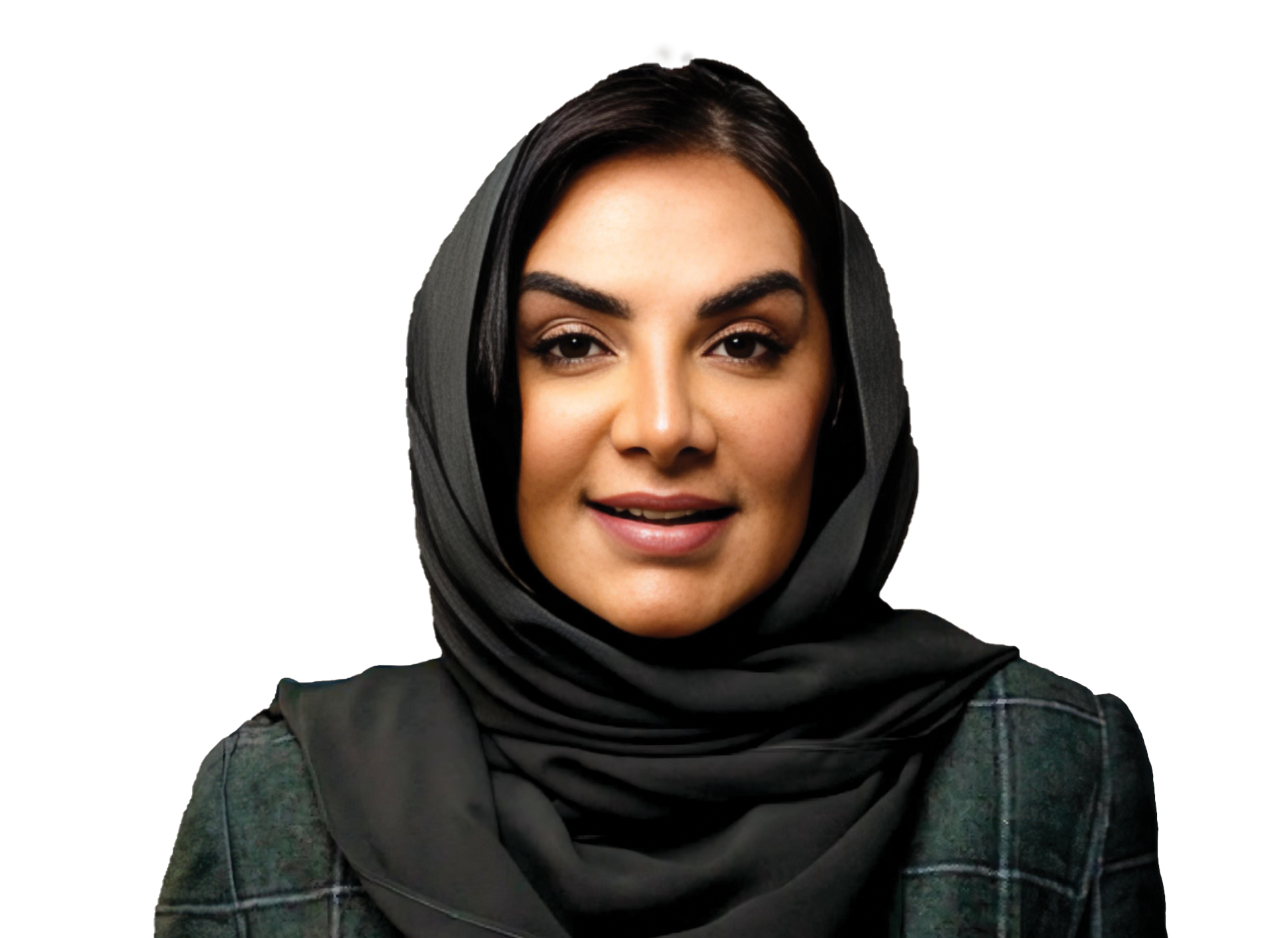
 Ghada AlRumayan, Group's Chief Shared Services Officer at Saudi Arabia’s ROSHN Group.
Saudi Arabia’s ROSHN Group, a leading multi-asset class real estate developer and a Public Investment Fund (PIF) company, which unveiled a new visual identity and strategic focus in November 2024, was recently recognised with the Top Google Cloud Customer Award at LEAP 2025.
Setting the tone for the year ahead, Campaign Middle East spoke to the Group Chief Marketing Officer of ROSHN, Ghada AlRumayan, who was also recognised as the Marketing Leader of the Year at the 2024 Athar Awards in Riyadh.
During the conversation, AlRumayan discussed what marketers should prioritise in 2025, whether AI is a boon or a bane, and her top learnings from A/B testing at scale during 2024.
Here’s are excerpts from the full interview conducted with the Group CMO of ROSHN.
According to you, what should marketers prioritise in 2025 and why?
AlRumayan: Marketers need to prioritise two aspects of their work. First is adopting a data-driven approach, ensuring they leverage the right information to guide their decision-making. Second, they should be able to analyse that data, leveraging consumer insights derived from both qualitative and quantitative research.
By using data to identify demand and understand customer behaviour, marketers can align their strategies with real-time market needs. Add onto this market trends, and you will have the deep understanding required to build campaigns and communications that excite your customers and grow your bottom line.
The universal truth is that the more effectively you leverage data to understand your customers, the more impactful your marketing will become.
With the pressure rising to deliver stronger returns with leaner budgets, is AI a boon or a bane?
AlRumayan: I see AI as a tool that will complement our creativity, and which will enable us to do more in a shorter space of time. Be it text, imagery or video, AI offers us all an opportunity to create differently in addition to being able to better understand our audiences.
However, AI is only as powerful as our own imagination, and we need to ensure that we do not become over-reliant on AI-based tools. There is also the question of bias and how AI tackles this. AI is already part of the marketing mix, we just need to use it sensibly.
What top learnings from A/B testing at scale during 2024 are we taking into 2025?
AlRumayan: There are a number of interesting learnings here, and I would start with AI. We are using AI tools to interpret our customer data, to better predict demand, personalise messaging based on historical data, and optimise our campaign performance.
AI allows us to work at a much faster pace in terms of both testing and analysing marketing effectiveness. The scale at which we can now work will transform marketing.
Another change last year was the Personal Data Protection Law, which came into force. This has had and will continue to have implications for how we all store and use personal data.