C&B’s Ahmad Itani explores why credibility, cultural instinct and market-specific insight are becoming the defining advantages in the Kingdom’s next era of brand-building.
What are global brands still getting wrong about marketing in Saudi?
Most global brands still treat localisation as translation. The tagline is in Arabic, while the rest of the campaign gets lifted from another market. A decade ago, that might have worked. Not today.
Saudi Arabia is no longer just a market to enter. It is an economic, cultural, and regulatory system that is reshaping how companies compete and create value. And the consumers, especially Gen Z, know when a brand has done the work and when it hasn’t. So do the people signing off. The calibre of marketing leadership inside Saudi companies right now is exceptional, and Vision 2030 shapes how these CMOs and heads of communication think about brand-building. They ask harder questions than most international agencies are prepared for. The 2026 RLC Global Forum in Riyadh made it clear: the era of exporting a formula and calling it strategy is finished.
What skills and capabilities will agencies need to develop to stay competitive in the Saudi market?
Two things stand out, and they are connected. The first is reading Saudi audiences with precision, knowing where Riyadh diverges from Jeddah and how Vision 2030 reshapes what a client measures. The second is the data to back it up, starting with first-party audience work and media modelling built around KSA-specific channels.
Budget and ambition are in place. Building those capabilities is not. LinkedIn’s 2026 research found 44 per cent of Saudi talent acquisition professionals say qualified candidates are harder to find, with demand pushing into niche skills. Agencies running these accounts from other countries are already losing ground to teams that live in the market. You cannot advise on a culture you only visit.
The trend that will influence marketing strategies the most over the next few years is …
The move from narrative to substantiation. For years, brands competed on who could tell the best story. That era is coming to an end. AI has made content easy to produce and claims even easier to stress-test. Audiences can sense the emptiness, and they look twice before they trust anything. This is a consumer who is digitally fluent, identity-driven, and harder to impress than most people in this industry realise.
Recent research into young Saudis puts numbers on the shift: brand credibility now outweighs influencer appeal as a purchase driver. The work has moved from persuasion to proof, and that’s a harder discipline than the one most agencies are trained for.
Brands need to be braver about …Having a clear point of view and staying true to it. Most brands operating in the region skip that step. They import a position built for another city and paint it in local colour, hoping no one notices. Audiences do. A point of view isn’t a strategy document. It’s a read on what a market will accept, what it will reject, and why. That judgement comes from years of watching how a product gets talked about in Riyadh versus how it lands in Jeddah or Dammam. An outsider can learn the facts. They can’t develop the instinct. That’s why our Saudi operations will be driven by people who know the market from the inside. Success in this market isn’t about being present. It’s about belonging, and that only comes from people who already do.
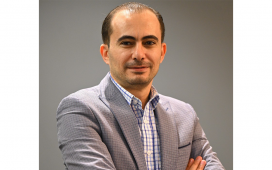
By Ahmad Itani, Founder & Chief Advisor, Cicero & Bernay (C&B).