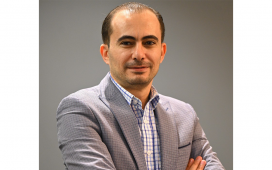


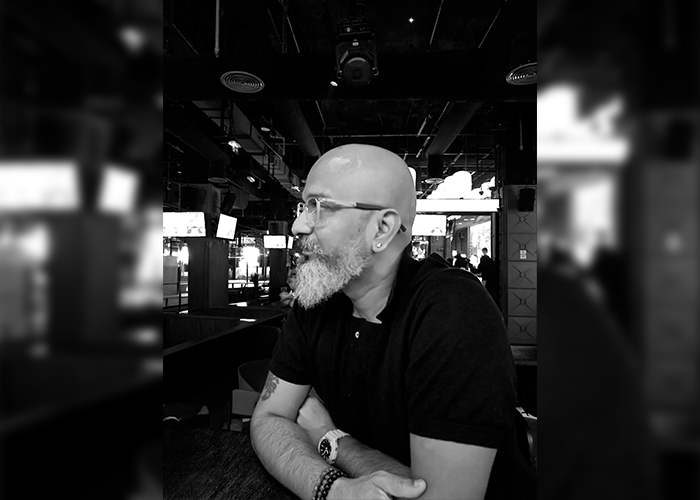
 Nitin Sushilkumar Itkyal, Creative Director, Minutiae Agency.
When I first entered the creative industry over three decades ago, ideas were born in sketchbooks, shaped in late-night discussions and refined through endless iterations. Campaigns were not just built – they were crafted. Each scribble, each rough draft, carried a human fingerprint that could not be duplicated.
Fast-forward to today and creativity feels almost instant. A single AI prompt can generate in seconds what once took teams of designers, writers and illustrators weeks to produce.
The process has never been faster – but has it ever felt more mechanical?
The early days: creativity as a craft
In the 2000s, the Middle East’s creative scene was raw yet vibrant, fuelled by ingenuity and passion.
Typography-led campaigns, hand-drawn illustrations and grassroots ideas dominated. Brainstorming rooms buzzed with energy – writers scribbling, art directors sketching, photographers experimenting – each discipline feeding off the other.
What mattered wasn’t speed, but originality. Imperfections in design gave campaigns their soul. The process itself was as valuable as the final artwork, teaching patience, discipline and collaboration.
Young creatives must not skip the foundations – scribbling, writing, observing. These are the muscles that build originality.
Today: creativity as efficiency
Now, the landscape is unrecognisable. AI has made design effortless. Stock visuals, ready-made templates and machine-generated campaigns dominate. One person at a laptop can now replace entire teams. Brands are producing more content than ever, but much of it looks and feels the same – polished yet predictable.
In the Middle East, where the industry matured from being resource-driven to globally competitive, AI risks undoing the very diversity and cultural nuance we fought to protect. Campaigns once grounded in local insight now risk being reduced to generic outputs from an “AI factory.”
What we’re losing
We are losing the joy of process. The trial and error of drawing a line until it feels right. The spark of an idea born in a heated debate.
The laughter in a brainstorming room that suddenly cracks open a brilliant concept. These experiences shaped not just campaigns but creatives themselves. Machines can replicate the outcome, but not the journey.
I am not against technology. I embrace it. But I believe the true role of a creative director today is to remind teams that creativity is more than execution – it is about emotion, context and meaning.
AI can accelerate work, but it cannot replace human truth. It cannot replicate the subtle details of culture, the empathy in a story, or the originality that comes from lived experience.
Balancing both worlds
The future of creativity lies in balance: respecting the craft of the past while embracing the tools of the present. Young creatives must not skip the foundations – scribbling, writing, observing.
These are the muscles that build originality.
To my peers, let’s not surrender to speed alone. Let’s preserve the human touch that gave this industry its heart. Creativity was never meant to be a factory output; it was and always will be, an act of human expression.
By Nitin Sushilkumar Itkyal, Creative Director, Minutiae Agency.