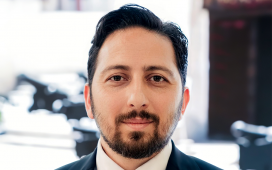
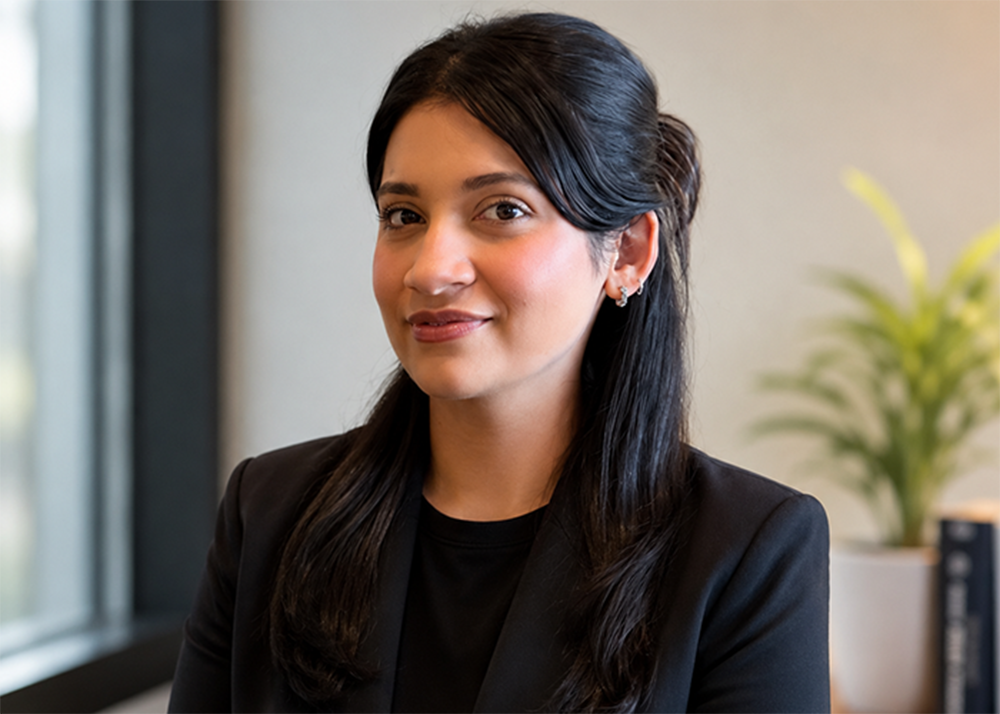
 Divya Bhatia, Senior Communications Executive, HAVAS Red Middle East
Think about how you make decisions today. Chances are you are not relying on just one source. You might start with social media, see what people are saying in the comments, ask ChatGPT, check a creator’s recommendation and then decide. Discovery has become fragmented. And for brands, that changes everything.
Early in my communications career, media relations felt like the foundation of everything. I spent hours reading magazines, studying story angles and looking up journalists to understand what they liked writing about.
The goal seemed simple: build relationships, secure coverage and get brands in front of the right audiences. That thinking was not wrong. But the role of media relations has become something much bigger than that, and the reason is not just that media has evolved. It is because the way audiences discover information has.
Back then, a placement in the right publication felt like a win. Today, that same placement is just one signal among many. Audiences are not arriving at decisions through a single source anymore. They are piecing together information across platforms, conversations and recommendations, and increasingly, AI is doing some of that work for them.
Take e.l.f. Beauty as an example. The brand created more than 200 pieces of content designed to perform across both traditional search and AI-powered platforms. It used search behaviour and consumer conversations to understand what people were actually looking for.
It explored opportunities across emerging platforms and tracked how its content was being surfaced in AI-generated responses. The result placed e.l.f. among the leading consumer brands for AI search visibility. Not because it shouted the loudest, but because it showed up consistently across enough platforms and conversations to become easy to surface, understand and recommend.
That is what modern discoverability looks like. And it is why the PR industry needs to have a bigger conversation about how it measures success.
For years, PR was largely focused on Tier 1 visibility. The objective was to secure coverage, land the feature and get the brand in the best titles. Success was measured by reach, circulation, AVEs and whether a story landed in a publication with a large enough audience. Those things still matter. But they are only part of the picture.
When audiences turn to AI platforms for recommendations, they are not being presented with a list of sources to evaluate. They are receiving a response shaped by information gathered across different platforms, publications and conversations.
A 2025 Muck Rack study found that 82 per cent of citations appearing in AI search responses come from earned sources. That is a significant number. It means earned media is no longer just building awareness. It is directly shaping how brands are discovered.
This is where Generative Engine Optimisation, or GEO, comes in. The concept is straightforward: as audiences move from search-led discovery to answer-led discovery, brands need to think differently about where and how they show up online.
Every article, spokesperson quote, creator mention or niche community recommendation contributes to a wider digital footprint. Individually, these placements can seem small.
Collectively, they form the information ecosystem that shapes how AI platforms understand, evaluate and recommend brands.
Many of the platforms contributing to that ecosystem would never have made it onto a traditional media target list a few years ago. Niche publishers, specialist communities, recommendation platforms, creator channels. They may not carry the reach of a tier-one title, but they carry real authority in the spaces where discovery actually happens.
In some ways, the industry is coming full circle. Before scale became the primary measure of influence, brands worked closely with bloggers, niche publishers and specialist voices that had highly engaged audiences and deep subject-matter authority. Their reach was not always the largest, but they played a meaningful role in how people discovered and evaluated brands. GEO is encouraging that same mindset again.
So what does this mean in practice? It means pitching needs to go beyond circulation figures and UMV scores. It means asking not just where your audience reads, but where they search, who they trust and what platforms are feeding the answers they receive. It means building a media mix that spans traditional publications, emerging voices and the specialist communities where your brand category actually lives.
Tier-one media is not going anywhere. But the brands that win in this next chapter will not be the ones with the loudest presence. They will be the ones showing up consistently across the sources, conversations and platforms that shape how people discover, evaluate and choose.
The question is no longer which publication has the biggest audience. It is which platforms are shaping the answers your audience is already receiving.
By Divya Bhatia, Senior Communications Executive, HAVAS Red Middle East