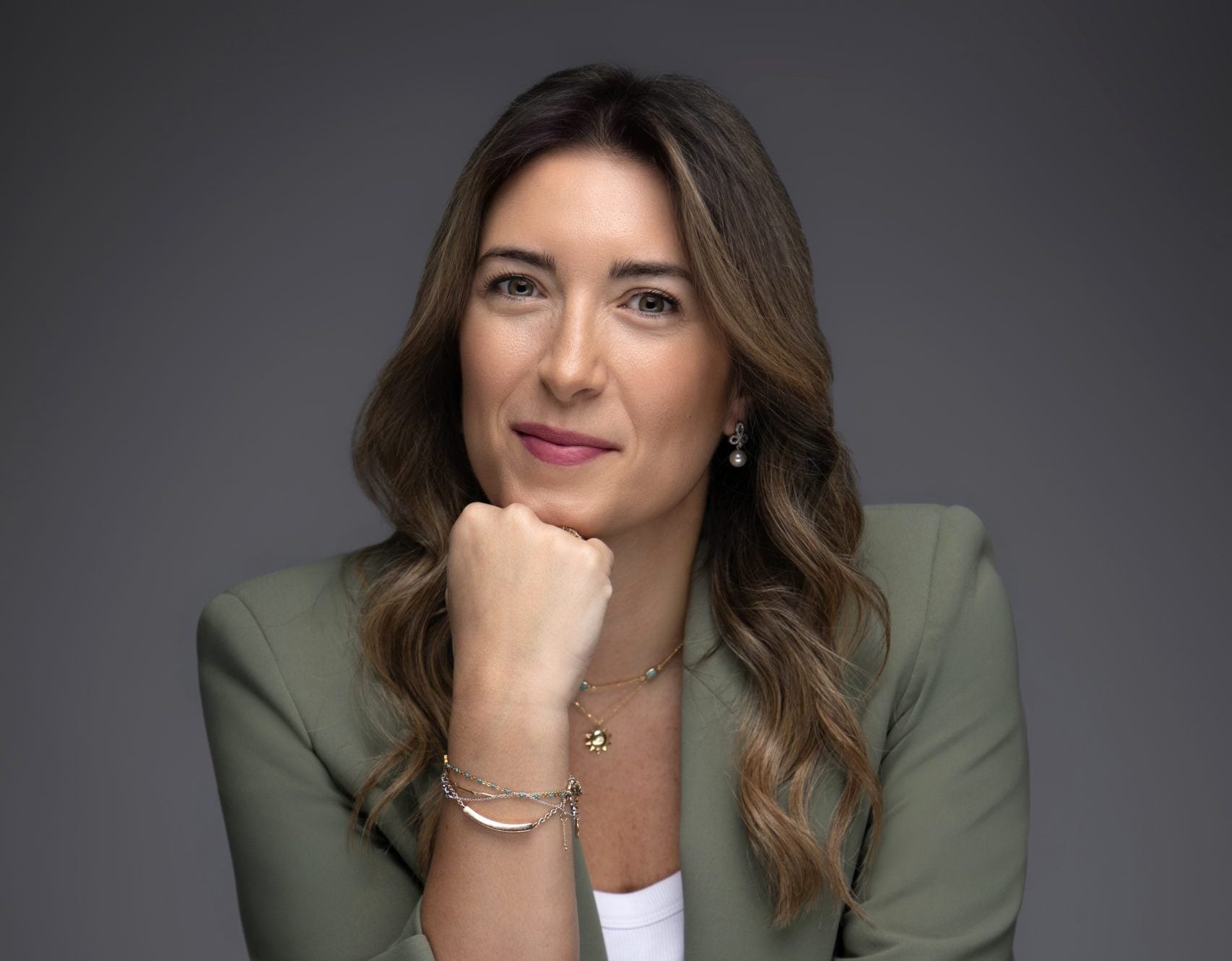
 Layal Takieddine, Head of Marketing, MBC Media Solutions (MMS)
I guess I’ll be forever known as that woman who keeps talking about diversity, equity and inclusion (DEI), and I’m okay with that. Because, let’s be honest, how many more articles can we read about the plight of women in advertising? Or attend another panel discussion about DEI with no real action points?
We’ve all seen the headlines, read the articles and sat in those workshops. We’ve heard the same stories. To a lot of our colleagues, the conversation is getting really tiring. I’ve been in this industry for more than two decades – it doesn’t show, I know! – and while I’m proud to have been a vocal and proud advocate of this topic, I’m also ready to move past the talk and step into real change.
When I first started, DEI was often just a checkbox for companies – a ‘nice to have’. At the time, what DEI meant to me was getting more women in leadership positions and to level the playing field because of the sheer lack of female leaders. It also meant more women-focused trainings and women-only business support groups, among other such initiatives. That’s what felt right at the time because we wanted to fight for our space.
But DEI hasn’t gained enough true traction; the industry is still stuck in the perception that DEI is a women only issue, alienating male counterparts.
What we realise now is that isolated programmes are often counterproductive. DEI initiatives need to be more integrated and inclusive for everyone. They should be about creating an environment where merit and talent are the only things that matter.
Beyond the buzzwords: The real meaning of DEI
DEI has unfortunately become a corporate buzzword, often a marketing stunt for companies to look good on the surface while making little to no genuine internal change. Many companies embrace DEI as a superficial attempt to enhance their brand without true internal transformation.
Recently, a colleague of mine questioned the meaning and importance of DEI. The answer, to me, was clear: DEI adds a richer mix of opinions, a broader range of skill sets, and a multitude of perspectives that lead to greater unity and innovation.
Research from McKinsey & Company, for instance, has consistently shown that companies in the top quartile for racial and ethnic diversity are more likely to have financial returns above their respective national industry medians.
“Let’s stop talking about ‘women in advertising’ and start talking about creating a new advertising industry for everyone.”
The real change starts when everyone – from the top down and the bottom up – is held accountable. It’s about cultivating a culture where diversity of opinion and perspective is genuinely valued. A diverse team brings a wider range of skills and viewpoints, leading to better solutions and a more unified workplace.
We need to create a system where flexibility is the norm, not a special favour. We need to stop seeing parenthood, and motherhood in particular, as a career impediment. This means equal pay, fair bonuses and policies that genuinely support parents of all genders.
The conversation around paternity leave is often met with resistance – but why? Paternity leave isn’t a perk; it’s a necessity that allows fathers to be active partners in raising their children. This, in turn, helps to create a more equitable home life, which allows women to thrive in their careers without being forced to choose.
A collective effort
We can’t do this alone. It’s not just on women to change the system; it’s on all of us, together. We need to challenge the social norms that we perpetuate in our work.
When companies embrace DEI at every level – in leadership, policies and culture – it naturally reflects in the work we produce, from campaigns to communications. I recently hosted a panel where we discussed how internal inclusivity can shape the stories we tell externally. For example, challenging long-standing norms such as detergent ads only featuring mothers can lead to campaigns that genuinely represent all families.
Let’s change the conversation. Let’s stop talking about ‘women in advertising’ and start talking about creating a new advertising industry for everyone – an industry where talent is paramount, where family life is supported for all, and where we don’t have to have these conversations anymore because fairness and equity are simply the standard. My ultimate hope is that one day, DEI will be so ingrained in our industry’s fabric that we won’t even need to discuss it – it will simply be the norm.
By Layal Takieddine, Head of Marketing, MBC Media Solutions (MMS)