Musicians in the Middle East are missing out financially by not registering their work. Simultaneously, businesses in the region risk lawsuits for failing to license music used in audio advertising campaigns.
Brands across the region are increasingly incorporating music and sound in their branding campaigns to connect with a wider audience through multiple channels, giving local musicians a golden opportunity to increase their exposure.
But a lack of awareness when it comes to protecting and licensing musical works potentially puts both musicians and brands at risk.
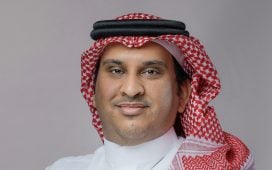
Pierre Carnet, Managing Director of MassiveMusic MENA, said, “Licensing laws and regulations have long existed in markets like the USA and Europe but, here in the Middle East, it’s a work-in-progress. Last year, a number of rights organisations were launched in the UAE, but many are still being implemented, so emerging artists still either register their work with a foreign organisation, or don’t bother at all. This means that when their music is used in regional brands’ campaigns, they are potentially not getting the money and royalties they are entitled to.”

Carnet added, “Businesses that fail to licence music featured in their marketing activity could face problems with their campaigns. At best, a campaign could be taken down from all platforms and subsequently delayed or cancelled due to copyright infringement. At worst, companies risk enormous fines that would cost more than licensing the track in the first place – even if only a few seconds of music is used.”
Recently, several global businesses that used multiple pieces of music without rights-holder approval have incurred multi-million-dollar lawsuits for copyright infringement.
The most prominent example is cookie chain Crumbl, which is currently facing a $24m lawsuit from Warner Music Group for allegedly using 159 pieces of music in social media videos without authorisation. The works include recordings or compositions from major artists like Beyonce, Dua Lipa and Taylor Swift.
Licensing these can be costly and time-consuming, because all rights holders – composers, lyricists, labels, publishers and the artists themselves – must all agree on the payment structure and context in which the music will be used.
“It’s a very technical process involving a lot of people, negotiation, signatures and costs,” said Carnet. “As a result, many of our clients are now requesting us to explore local and regional musical work, or to create a bespoke track that they – and only they – can use in their branding. This is great news for musicians in the region, who deserve to be more in the spotlight – and to get paid for their work.”
MassiveMusic MENA hopes rights organisations across the region continue to develop to allow local musicians to register their work. The company also encourages businesses and brands in the region to ‘think local’ when it comes to sonic identity and music branding.
Carnet concluded, “Going local or creating a bespoke track can bring more authenticity, more uniqueness, faster delivery and better cost-optimization than relying on much-loved, but over-used international tracks. There is a wealth of untapped musical talent in this region, and we continue to encourage brands to discover it.”