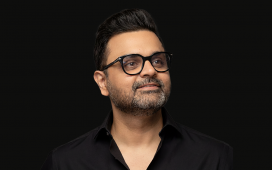
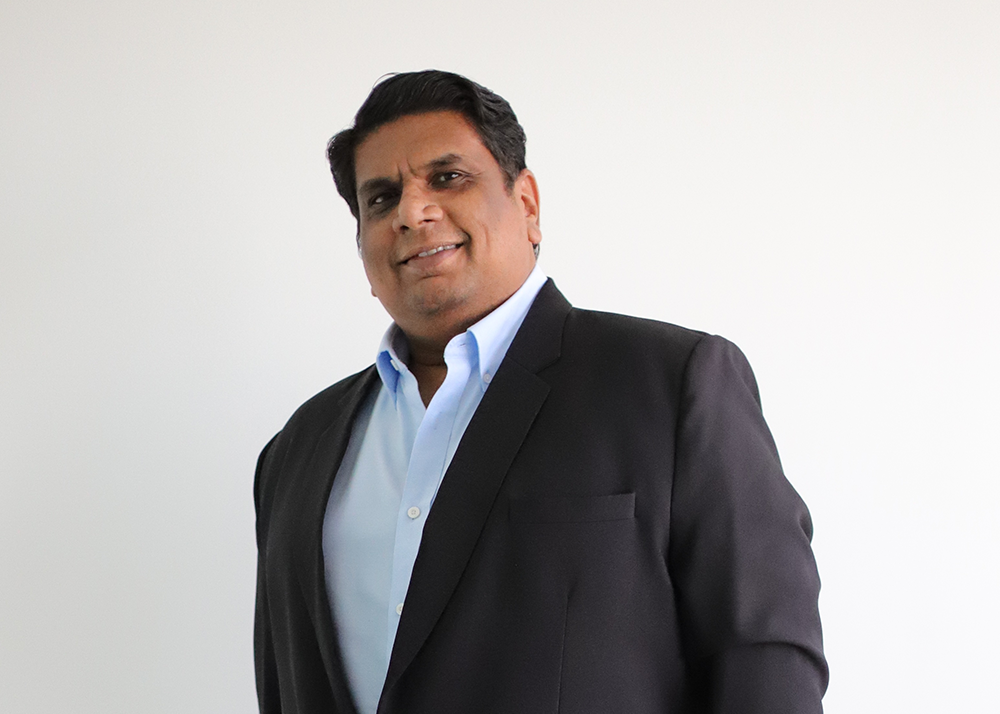
 Trevor Dsouza, Investment Director, Radix Media MENA.
 Regional brands are spending big on sports IP – and most of them are only using a fraction of what they bought.
There is a conversation that happens a lot in boardrooms across Dubai and Riyadh right now. A brand has just signed a significant partnership with a Premier League club, an F1 team, or a marquee global athlete. The deal is done, the press release is written, the CEO photo is taken. And then someone asks: so what’s the activation plan?
And the answer, almost always, is: perimeter boards, a TVC, and a few social posts on match day. That’s not a bad answer. It’s just not the whole answer. And in a market as uniquely wired as the GCC, leaving it there means leaving most of the value untouched.
What the contract actually bought
Here’s a reframe worth sitting with. When a regional brand signs a multi-million dollar sports partnership, the contract is not the asset. The contract is the entry fee. What you’ve actually purchased is access to a pre-existing, emotionally activated community – one with a depth of loyalty, shared identity, and cultural meaning that no paid media channel can manufacture from scratch.
The logo on the jersey is visible. But visibility and presence are different things. Presence is what happens when a brand becomes genuinely embedded in the rituals, conversations, and moments that define how fans actually experience sport. In this region, those rituals look very different from the Western activation playbooks most agencies are still drawing from.
How this market actually watches
The GCC is one of the most digitally connected markets on the planet. According to DataReportal’s Digital 2026: UAE, internet penetration in the UAE sits at 99 percent. Mobile connections run at over 200 percent of the population. There are more social media identities in the country than there are people in it.
What that means in practice, on a match night, is this: the broadcast is on the TV, TikTok highlights are running on the phone before the replay airs, and the WhatsApp group has already broken down the goal before the studio analyst has finished their sentence. The fan isn’t watching a single screen. They’re managing a fluid, multi-platform experience – and the emotional centre of gravity has shifted significantly toward the social and messaging layers.
If a brand’s entire integration lives in the broadcast window, it is present in one layer of a four-layer experience. The other three layers – second screen, group chat, social reaction loop – are where the fan is actually most engaged. And those layers are almost entirely unoccupied by brand presence. This isn’t a criticism. It’s an opportunity. A very large one.
The diaspora multiplier
There’s another dimension to GCC sports fandom that makes this market genuinely unlike anywhere else, and it’s one that most sponsorship briefs don’t account for at all. A significant proportion of the population across the UAE, KSA, Qatar, Kuwait, Bahrain and Oman are expatriates – transient professionals and first-generation residents who are building lives far from where they grew up.
For many of them, watching sport is one of the few consistent rituals that keeps them emotionally connected to home, language, family, and identity.
A Liverpool match on a Tuesday night in a cafe in Karama isn’t content consumption. It’s familiarity. An India-Pakistan game watched in a flat in Business Bay isn’t a broadcast – it’s a phone call to a grandfather, rendered in screen form. The fandom here is portable. People carry it across borders and life stages in a way that makes the relationship more intentional, more emotionally preserved, and more commercially valuable than the inherited, geography-based fandom that most audience frameworks are still built around.
That also means the community around any given sports property in this market is richer and more layered than the audience numbers suggest. A brand entering that community isn’t just buying reach. It’s entering a network of emotional associations that runs very deep.
The athlete-creator model is already here
The other piece of the picture that is moving faster in this region than anywhere else is the athlete-as-creator dynamic. The traditional endorsement model was built on proximity. A local athlete representing a local audience.
A global star lending their image to a product. That model assumed a relatively passive relationship between athlete, brand, and fan. That relationship has fundamentally changed. The most commercially valuable sports personalities in the GCC market today are the ones who move fluidly between competitive performance, content creation, and community building – who can speak to a Pakistani fan in Abu Dhabi, an Egyptian fan in London, and an Emirati fan in Riyadh through the same content strategy and make each of them feel genuinely seen.
That kind of athlete is not an endorser in the traditional sense. They are a cultural access point – an entry into overlapping fan communities that no media plan can architect from scratch. The brief shifts from “which athlete should we sponsor?” to “which communities do we want to participate in, and who is the most credible bridge into them?”
The athlete becomes the mechanism. The community is the asset.
What deeper activation actually looks like
None of this requires abandoning the fundamentals. The perimeter board still has a role. The broadcast spot still has a role. But they work harder when they sit within a broader engagement architecture rather than being asked to carry the whole load.
The brands that are getting this right – and there are some genuinely good examples emerging in this region – are building presence inside the fan ritual rather than above it. Co-created content that lives natively in the athlete’s world. Real-time fan utilities that give something back to the group chat during the match.
Community-level activations that reward the most engaged supporters rather than just the most visible moments.
The question isn’t “how do we get seen?” It’s “what role do we earn inside this community?” Those are different briefs. The second one is harder to write, and significantly more valuable to execute.
The next brief is community-first
There is a genuine first-mover advantage available to regional brands right now. The sports partnerships are being signed at scale. The fan communities are here, emotionally activated, and deeply underserved by the current standard of brand activation.
The infrastructure for deeper engagement – creator-athlete partnerships, second-screen integration, community programming – is accessible and increasingly proven. The brands that move toward participation rather than visibility will compound that investment year on year. The ones that stay at logo level will keep paying premium rates for diminishing returns, as audiences migrate further into the layers the broadcast can’t reach.
The ticket got you into the stadium. The opportunity is everything that happens inside it.
By Trevor Dsouza, Investment Director, Radix Media MENA.