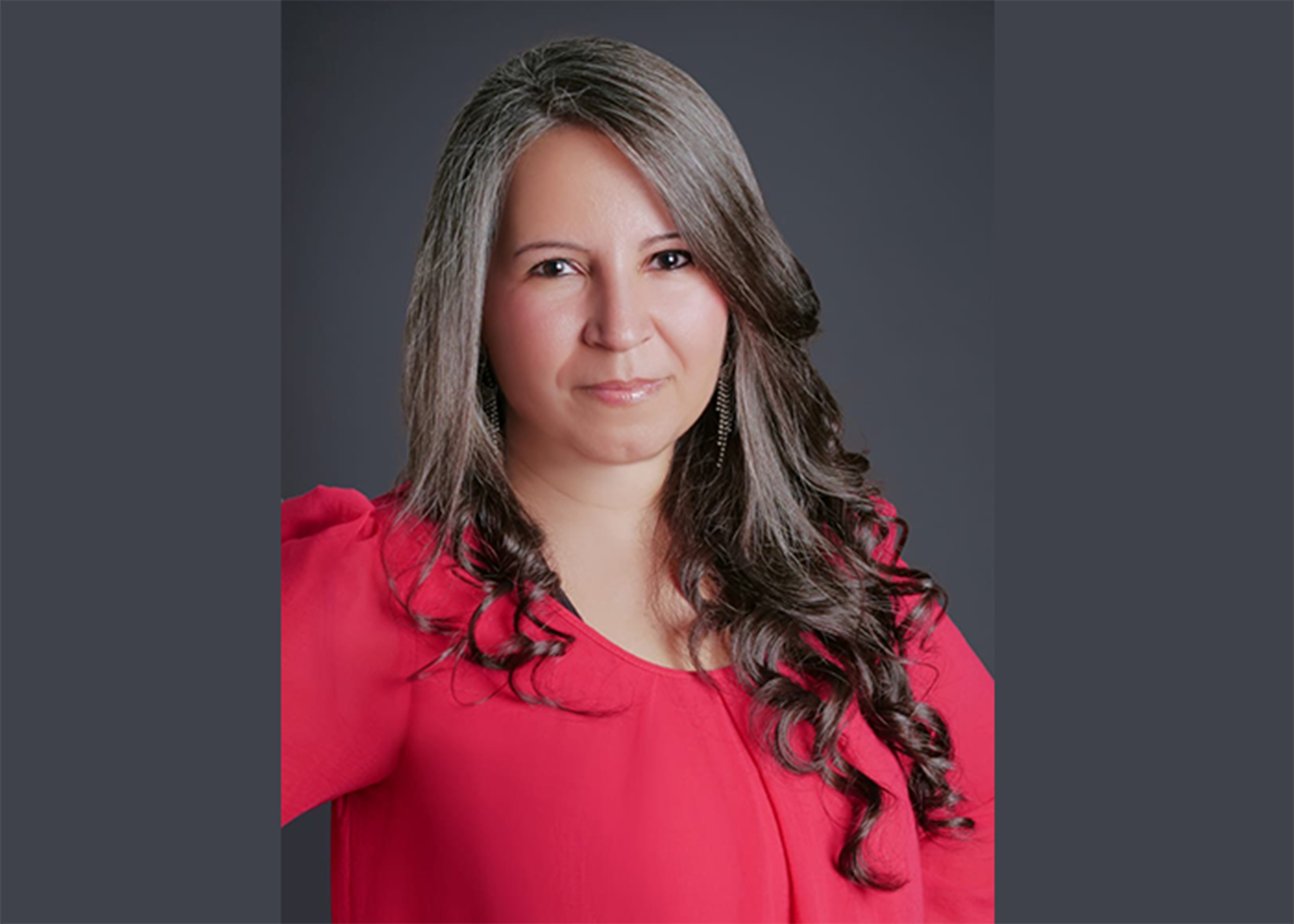
 Reim El Houni, CEO, Ti22 Films
We are calling it the creator economy. But what we’re really witnessing is the attention economy.
A $250bn industry that Goldman Sachs predicts will nearly double to $480bn by 2027. Yet, for all its growth, there’s a fundamental gap that no one is talking about.
It is being built and shaped largely by people in their twenties and thirties. They have mastered how to capture attention, understand the algorithms, and know how to hook an audience within seconds. But is that enough?
Whilst they clearly know how to make a video go viral or win immediate engagement, is that a strategy that can last?
As a CEO who has had to learn how to grow my business, I was taught early on that building a brand and a customer base is about farming, not hunting. It’s about building relationships over time and being the trusted partner that people recognise and respect. Not about the quick sale or the short term win.
In its current form, the creator economy can feel like hunting. It’s missing depth, it’s missing lived experience, it’s missing credible voices, it’s missing the silver economy.
I am referring to leaders aged fifty plus, with the experience and insights that I want to learn from, who have led and grown companies and brands and live to tell the tale. And yet, too many of them are still silent.
Consider this: this same demographic drives trillions in economic activity globally, with markets like the US alone accounting for over $8 trillion.
In markets like the UAE, they represent only a small minority of social media users, estimated at around 3–5%, despite being one of the most experienced and economically powerful segments.
Many remain silent because they don’t believe it is their place. They don’t see the creator economy as a space for leaders to be visible. After all, weren’t we taught to work on the business, not in it?
I have trained many CEOs who have been pushed into this space by their marketing teams, but remain reluctant to participate. They don’t see the correlation between showing up on camera, being present on social media, and driving real business growth or conversion.
The creator economy has a credibility problem because too few experienced leaders are participating in it.
There is a mindset shift that is required. I understand it, because I lived it. It took me decades to realise that adding my voice and being visible is not vanity, it is strategy, and it is data-driven.
Think about the leaders you follow. From Richard Branson to Elon Musk to Steven Bartlett. When the leader is visible, creating content, sharing insights and learnings, that automatically translates to the organisation.
Closer to home, we are seeing examples such as Toufic Kreidieh of Brands For Less, who has taken joining the creator economy very seriously. Watching his Instagram feed is a masterclass in how to engage customers in new ways by creating fun, entertaining content that drives traffic to the store.
Much of it is filmed in the stores themselves, giving the brand ultimate visibility. Game shows are one of the most popular formats that travel globally, and Toufic has understood the importance of gamifying his content, keeping the games simple enough that the audience at home can play along.
What is also interesting is that the Brands For Less feed has its own curated content strategy, while Toufic has understood the importance of becoming more visible himself, whether by hosting a regular podcast or appearing on other platforms to share his insights.
However, Toufic still feels like an exception. There are very few CEOs joining the creator economy and bringing this level of credibility to the space. I see a few more on LinkedIn who understand that sharing insights, documenting, and adding value has a direct impact on company growth.
Mohamed Al Hashemi, CEO of Union Coop, is another strong example. He consistently shares video insights and updates on LinkedIn and Instagram, which makes a brand like Union Coop feel more personable and builds trust in a way an ad simply cannot.
I was fortunate enough to moderate a panel with both Toufic and Mohamed, and I remember Mohamed saying that being active on social media allows him to be part of the conversation. As he put it, “You have a choice to be on the menu or on the table, and I want to be on the table.”
I would love to see a feed full of insights, learnings, shows and podcasts created by established, credible CEOs like Toufic and Mohamed proving that the creator economy is not just for the youth, but a space for leaders of all ages to claim the attention they deserve.
Because the ecosystem is incomplete without experienced voices.
If the creator economy is going to mature, it needs more than attention.
It needs experience.
It needs credibility.
It needs leadership.
By Reim El Houni, CEO, Ti22 Films