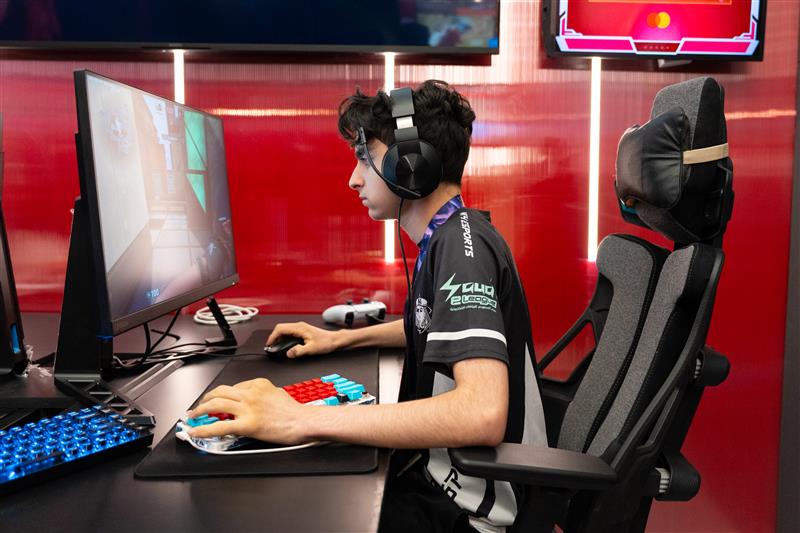
Saudi Arabia has placed gaming and esports at the heart of its Vision 2030 ambitions, creating an industry that already counts more than 23.5 million enthusiasts – nearly two-thirds of the population. For brands, that scale, coupled with a median age of under 30 and one of the most digitised infrastructures in the world, has made Riyadh’s Esports World Cup (EWC) a key platform for youth engagement.
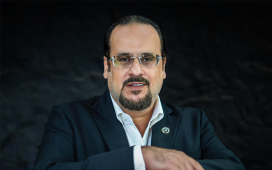
Mastercard is one of the global players betting big on this stage. Having built a portfolio of international esports partnerships, the company sees Saudi Arabia as more than just another market. Speaking to Campaign Middle East, Ahmed Abdel-Karim, Executive Vice President, IMC EEMEA at Mastercard, shares how the brand is combining payments, fandom and experiences to grow its relevance in the region.
“We understand that esports is a passion for many people, especially the young generation. At Mastercard, we are committed to connecting people to their passions by curating priceless experiences that create lasting memories. We are working to make in-game payments easier, deliver fan-first touchpoints and stage truly special moments for gamers to enjoy,” says Abdel-Karim.

Building brand presence through Saudi’s esports growth
Abdel-Karim highlights that the Kingdom offers ideal conditions for Mastercard’s long-term strategy. “Saudi Arabia’s thriving tech ecosystem, youthful population with a median age of 29.6 years, sophisticated digital infrastructure and a high rate of digital penetration help position the Kingdom as a major esports hub. According to the National Gaming and Esports Strategy, more than 23.5 million people in Saudi Arabia – around two-thirds of the population – identify as esports enthusiasts.”
With Riyadh hosting the world’s biggest esports event, Mastercard sees the EWC as more than a tournament. “Its capital Riyadh provides the perfect venue for Esports World Cup, the biggest event of its kind in the world, which has evolved from a tournament into a global cultural platform.”
The EWC allows Mastercard to move beyond visibility into measurable engagement. “For the second year running, we are proud to partner with Esports World Cup as an official event supplier of this global gathering. Our presence at this year’s edition reaffirmed our commitment to driving digital transformation, pioneering game-changing developments in digital payments and inspiring the young generation,” says Abdel-Karim.
Part of that effort involved the Mastercard Gamer Academy, created in collaboration with G2 Esports. Ten applicants were mentored on how to turn their passion into careers, while fans at the booth collected “priceless points” for interacting with activities and players. Mastercard’s equity in gaming is earned through programmes that deliver value rather than one-off sponsorship assets.
Differentiation through utility
With more brands entering esports, Abdel-Karim notes that standing out requires a clear strategy. “We differentiate ourselves with our clear Esports strategy, which focuses on providing innovative offerings to gamers that address their unmet needs and seamlessly integrate into their lifestyles. Bringing players closer to their craft and enhancing their in-person and digital experience with esports gives us a strong competitive edge.”
This strategy is visible in the co-branded card developed with Saudi National Bank (SNB) and the Saudi Esports Federation (SEF). “A prime example of such an offering is our co-branded card with Saudi National Bank (SNB) and SEF. The specially curated payment solution features a range of benefits and privileges, including deals, discounts and rewards as well as access to gaming tournaments and priceless experiences,” says, Abdel-Karim.
The card is positioned as a continuous platform connecting spending, rewards and fandom, embedding Mastercard into gaming culture and reinforcing relevance for the audience.
Understanding Gen Z gamers
Mastercard’s approach is also informed by how Gen Z interacts with brands inside and outside gaming. Abdel-Karim explains that “there is a clear call for more interactive and immersive experiences that seamlessly blend content, competitions and challenges. Today, gamers also value prizes, expressing a strong preference for brands that reward them for their loyalty. This gamification is becoming more prevalent, incentivising gamers to explore new adventures or immerse themselves even more in their favourite games.”
With interactivity and tangible rewards as the core expectations of gamers, Mastercard uses these behaviours to shape youth-focused campaigns and future-facing experiences.
Esports as a cultural platform
Abdel-Karim observes that esports in Saudi Arabia is part of a wider shift in how people engage with sport, entertainment and culture. “As digital transformation continues to reshape Saudi economy and society, digitization is transforming everything from how consumers shop and transact to how they connect with one another and explore their passions. The lines between sports, culture and entertainment are being redrawn, with gaming becoming a sport, as demonstrated by the rise of Esports.”
Through its partnerships and activations, Mastercard aims to create experiences and fan moments that are authentic, culturally relevant and informed by consumer habits. “Ultimately, every single strategic step we take is guided by our commitment to connecting and powering an inclusive digital economy. As part of this mission, we use our partnerships, network and technologies to create experiences and fan moments that are both authentic and culturally relevant, shaped by consumers’ habits and preferences and reflecting what they are most passionate about,” adds, Abdel-Karim.
Gaming as a long-term platform
Mastercard sees esports not just as a marketing vertical, but as a platform to strengthen its connection with young audiences. Abdel-Karim says, “We know that people value experiences that bring them closer to their passions and to each other. We want to create more of these experiences through esports, leaving people feeling uplifted and inspired, and enabling gamers to have a positive impact on their communities and the world. By launching strategic partnerships with future-focused organisations and brands around the world, we aim to enrich cultures and empower youth, using the tools at our disposal to map out more fulfilling journeys for gamers to embark on.”