Through Campaign Middle East’s extensive International Women’s Day coverage earlier this year, leaders across the industry voiced the need to go beyond the typical diversity, equity and inclusion (DEI) conversations to focus on real, lasting change. DEI is often loud, well-meant, yet vague. So, how do we move past the noise? What real, tangible changes can we implement that open doors and walk the talk beyond mere tokenism?
In conversation with women in leadership positions, the phrase ‘take a seat at the table’ comes up frequently. However, these leaders also share the feeling that these ‘tables’ are often non-descript, hidden underground, locked behind a door with a secret password and, quite often, much like Schrödinger’s cat, may or may not be missing altogether.
Clearly, diversity means more than access to an opinion. It also means ensuring that these voices are heard and that they contribute to constructive action. For diversity to be meaningful and truly make an impact, leaders, brands and the wider marketing industry must bridge the gap between intention and effectiveness – and mentorship is key to this shift.
To explore this notion further, we asked industry leaders: How can mentorship be embedded into DEI strategies to support underrepresented talent? How can organisations make mentorship a core part of workplace culture? And what role does mentorship play in creating new pathways for women leaders?
Championing structured change
While it’s true that the time has come to move diversity, equity and inclusion beyond an annual key performance indicator (KPI) or a hiring target, without robust, in-built organisational infrastructures to solidify conversations, it often feels like the industry is throwing stones around within glass houses – mistaking fragile systems for progressive ones.
Real and lasting DEI demands a more grounded and structured approach. And structure begins with mentorship.
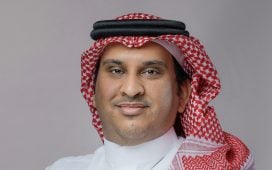
Jaimesha Patel, Chief Executive Office of growth and digital marketing agency créo Global, says, “Championing change in the region’s creative industries is possible only by moving beyond policy. For me, mentorship is at the core of an effective DEI strategy. When done right, it has the power to dismantle barriers and amplify voices that have long been overlooked.”
However, this isn’t about hand-holding or one-off coffee chats. It’s about strong and stable support structures, without which even the most successful women can find themselves – and their expertise – sidelined.
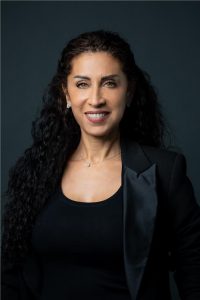
“I didn’t get here alone, and I make sure no one else needs to do so either. As a woman in the C-suite, I see mentorship not as a favour, but as a duty to pull others up with me. I know what it feels like to walk into a room where you’re the only woman, to speak up even when your voice shakes. That’s why I lead by example, because visibility matters, confidence multiplies, and doors open wider when we push together,” says Ghada El-Kari, Chief Strategy Officer, W Group Holding, which includes brands such as media company Hypermedia, digital advertising technology company DXTA and digital-out-of-home tech company AiOO.
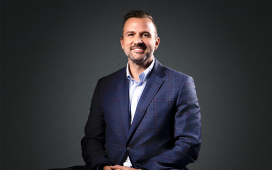
Charney Magri, Co-founder of the sustainability-focused do epic good platform, adds, “Mentorship creates more than opportunity, it empowers us to lead with clarity and purpose, while encouraging our counterparts to champion and respect equity, rather than meet it with resistance.”
From rising numbers and representation to legacy
Diversity means more than representation at the top. It’s the ‘missing link’ between pretty diversity human resource (HR) metrics and unlocking powerful decision-making capabilities.
And yet, while addressing the need for mentorship, there’s also a need to set guardrails that ensure that this conversation – like many other DEI topics – doesn’t get tokenised or relegated to ‘rising numbers’ and ‘representation’.
“Mentorship isn’t an add-on, it should be part of our culture. It’s how we’re rewriting the playbook, creating spaces not just for women to rise, but to lead, shape and thrive. That’s the legacy I want to leave,” says
W Holding Group’s El-Kari.
Sherry Mansour, Managing Director for the Middle East, North Africa and Turkey at contextual advertising company Seedtag, takes this a step further. She states that for mentorship to be truly effective, the way it is actioned must be held accountable.

Mansour adds, “As we witness more women rising to leadership positions, mentorship becomes not just an opportunity, but a responsibility. We must actively invest in pulling others up by sharing access, knowledge, and advocacy.
She says, “Structured mentorship enables emerging female talent to navigate the unspoken codes of the industry, develop leadership confidence and gain visibility where it matters. To truly build new pathways, mentorship must move beyond informal coffee chats and be embedded in leadership KPIs, talent development programmes, and succession planning.”
Real mentorship isn’t about patting backs or ticking boxes. It requires confronting uncomfortable truths – bias, privilege and even failure.
It’s a messy, honest process that challenges both mentors and mentees to grow, unlearn and reshape the culture from the inside out – in a way that is purpose-driven.
Without this raw honesty, mentorship becomes just another surface-level gesture.
Créo Global’s Patel says, “Representation matters, but visibility alone is not enough. As more women rise to leadership, our responsibility is to reach back and extend that ladder with purpose.”
Sure, we’ve reached a stage where women are in the room, even at the table and leading companies, but without mentorship, we only have anecdotal, individual wins – not a DEI legacy.
“If we want a future where inclusion is foundational, not aspirational, then mentorship must be embedded into how we lead, how we grow, and how we reshape leadership for everyone,” says Magri.
Patel adds, “Mentorship plays a critical role in shifting the culture from access to actual advancement. This means opening doors, challenging bias, and creating safe spaces where emerging female professionals can grow with confidence and clarity. Through mentorship, we give the next generation the permission to lead boldly on their own terms.
Without intentional, strategic mentorship, those leadership seats risk becoming isolated victories rather than systemic change.
From success stories to sustainable pathways
With talk of a Devil Wears Prada sequel, there’s renewed fervour to replicate Andrea Sachs, the ambitious woman who broke the mould. But the real revolution isn’t about being the woman at the top – it’s about refusing to be the ‘only one’ or the ‘last one’ at the top.
“When women support women, we build resilience, shift mindsets and model what’s possible. But true transformation happens when mentorship helps all genders to unlearn bias and rebuild culture together,” says Magri.

Mentorship is also about breaking prejudices and going beyond personal branding – where it’s often framed as a benevolent gesture from a senior leader. It should, instead, focus on authentic relationships.
Patel adds, “We must show women that ambition and empathy can coexist,
and that leadership doesn’t have to mirror old models to be effective. When done with intention, mentorship has a ripple effect, building a stronger, more inclusive future for women across the professional landscape.”
She adds, “Mentorship should not be tokenistic or top-down. It is about honest dialogue and a willingness to share both failures and wins. Leaders must genuinely invest time in listening, advocating and co-creating pathways to growth for emerging talent, particularly those underrepresented within our industry.”
True inclusion, therefore, means going beyond highlighting one’s path to the top; it requires creating sustainable pathways for others to follow. Mentorship is meant to be a bridge that transforms token presence into lasting influence.
In its truest sense, mentorship is a nourishing fruit from a tree, which offers a seed to be planted today and, then, goes on to offer shade and fruit for generations to come.
Patel adds,“By pairing mentorship with practical developmental opportunities such as shadowing and skill building, we can ensure that underrepresented creatives aren’t just welcomed, but truly empowered. The result is a creative sector that not only reflects the region’s diversity, but actively harnesses it for wholesome success.”

One of the strongest themes echoed by every leader is that mentorship is no longer optional – it’s essential. If DEI efforts are to move from concept to culture, mentorship should be a channel through which change becomes scalable, credible and lasting.
All in all, industry leaders highlight a strong inclination within the industry to move past surface-level efforts toward fostering genuine opportunities for professional growth.
Leaders advocate for a culture where experienced professionals actively support emerging talent through structured guidance and shared learning, ensuring everyone can contribute fully and confidently.
By prioritising intentional support networks, honest dialogue and systemic change rather than isolated and anecdotal victories, companies can cultivate a truly dynamic environment where diverse perspectives fuel collective advancement and long-term success.