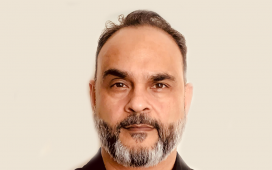


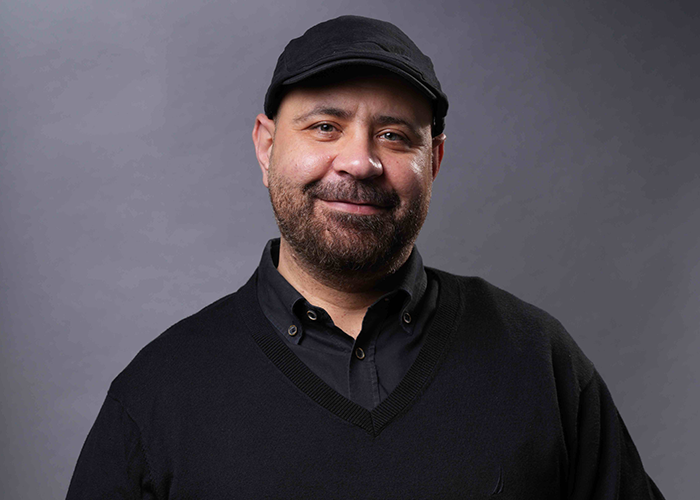
 Rani Amayri, Head of Arabic Copy, Impact BBDO.
It started with: “This feels like a literal translation.” Then: “This looks like Google Translate.” And now, the industry classic: “This must be ChatGPT.” We’ve all heard it. But no matter what tool or era we’re in, one thing doesn’t change: Arabic is a deeply subjective language.
There’s a story I’ve heard about a well-known Arabic writer, considered one of the greatest of all time. He helped his granddaughter with her Arabic essay. When she handed it in, her Arabic teacher gave her … an 8 out of 10. If one of the greats can’t get full marks, what chance do the rest of us have?
Writing is not a science; it doesn’t come with a blueprint. It’s not chemistry or math. It’s like art: some people prefer impressionism, others lean toward surrealism. Clients and the target audience respond to copy the same way. It’s about taste. And with Arabic copy, it gets even trickier because now we’re juggling dialects, cultural references, and different tastes shaped by backgrounds across 22 countries.
But how can we solve it? Well, we cannot. But can we make it better? Definitely. We can at least reduce those comments to a certain extent.
First, we need to start the thinking process in Arabic, absorb the culture and write something relevant that resonates with our target audience. And when we are ‘Arabising’ a line or a piece of content, we should read it, understand it, and then rewrite it in an authentic way. We all see the hunger for Arabic cultural ideas and how they are winning big at award shows.
Secondly, Arabic copywriters in the region deserve more trust. People ask: “Why are GCC commercials less funny and relevant than Egyptian ones?” The answer’s simple. Egyptian creatives and their clients are on the same page, same dialect, same humor, same insights. But in multinational markets, it’s messier. Most projects start in English, and by the time the Arabic version arrives, it has been diluted to please everyone. The result is ‘White Arabic,’ neutral, flavourless, and designed to speak to everyone.
The outcome is a piece of communication that people will skip after 3 seconds or scroll past because it is intended for everyone but relevant to no one.
The fix? More conversations with clients, planners, and creative teams. Decide early on the intention, the campaign objective, and most importantly the target audience. Yes, we already think we do this in every brief, but maybe we need to rethink how we do it.
So back to feedback and subjectivity. When you truly know your target audience, you will speak their language. You will write what is already on their minds. And the feedback will not be ‘Google Translate’ or ‘ChatGPT.’ It will just be a nod, a smile, or maybe even a clap.
By Rani Amayri, Head of Arabic Copy, Impact BBDO