In agencies across the region, one question continues to surface: “How can we help women be more confident?” This is a well-meaning question, but it implies the issue lies within women themselves; that we’re not visible enough, bold enough or assertive enough. But what if we reframed the narrative?
For years, we’ve been told that women need to speak up more, lean in harder and be bolder. But what if the real problem isn’t a lack of confidence, but the environments we’re expected to navigate? Women don’t lack ambition or talent; we’re working within systems that weren’t built for us.
Stop telling women to change or ‘fit in’
Women in advertising in the Middle East are not short on ambition, skill or vision. But the environments we operate in often don’t amplify these strengths.
From how meetings are run, to who’s allowed to fail and try again, to who gets credit for ideas, to the informal networks where influence is built, agency culture can unintentionally reinforce outdated norms that make it harder for women to rise or lead authentically.
When we keep focusing on coaching women to ‘speak up’, we miss a bigger opportunity: rethinking the structures, behaviours and biases that shape how talent excels.
This isn’t about gender politics, it’s about creative performance …and architecture.
In the business of ideas, diversity is not a nice-to-have, it’s a competitive advantage. The best campaigns come from teams who think differently, challenge each other and bring varied perspectives to the table. That can only happen in environments where everyone feels they have permission to contribute fully.
Creative excellence is not just about craft; it’s supercharged by culture. And the most progressive agencies are realising that building inclusive, high-performance environments isn’t a moral imperative – it’s a competitive business strategy.
Just look at the creative leadership reshaping our global industry:
Chaka Sobhani, Global CCO at Leo Burnett, has built Cannes Grands Prix-winning campaigns rooted in emotional insight and cultural relevance.
Swati Bhattacharya, one of India’s most influential creative leaders, uses storytelling to drive both social impact and global recognition.
Susan Credle, Global CCO at FCB, continues to lead breakthrough work that blends strategic clarity with bold creative vision.
These women aren’t just leaders in their field, they’re proof that when inclusive leadership is at the helm, the work is stronger, more resonant and wins big.
Beyond advertising, leaders such as the former Senior Vice President of Apple Angela Ahrendts, and Mina Al-Oraibi, Editor-in-Chief at The National, remind us that when women are trusted to lead at the highest level, brand, business and culture all move forward together.
If we want to build truly modern agencies, which reflect the diversity of our region and the ambition of our industry, we need to evolve how we define leadership, measure impact and create opportunity. That means:
- Rethinking how meetings and reviews are run so contribution isn’t based on who dominates the room.
- Building real sponsorship – not just mentorship – and ensuring emerging talent is advocated for, not just advised.
- Redesigning career pathways to reflect long-term value, especially for parents and caregivers.
- Fostering a culture with true allies – from junior creatives to ECDs, from strategists to studio leads – who think inclusively.
Normalising different styles of leadership – some of the most visionary creative thinkers aren’t loud or linear.
Culture is shaped in these moments. And they accumulate.
A regional opportunity
The Middle East has always been a region of transformation – creatively, commercially and socially. As our industry matures, we have a chance to lead differently. To build creative companies that don’t just include
women, but also actively support and elevate them.
This isn’t about blame – it’s about architecture. We need to stop telling women to change or fit in and continue to work on redesigning the systems that define how we work, grow and lead.
Because if we’re serious about unlocking the full creative potential of this region, we must build cultures where confidence is an outcome, not a prerequisite. That’s how game-changing work happens.
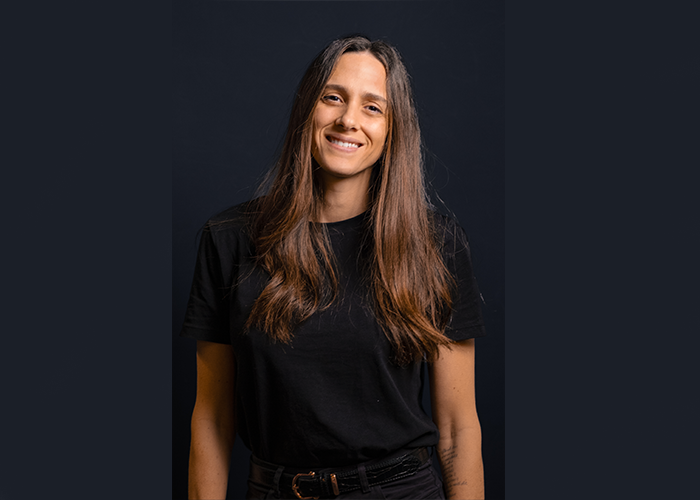
By Jennifer Stephenson, Associate Director of Culture, Create. Group