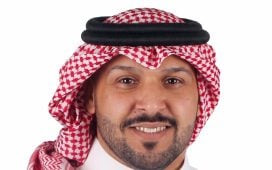


 City Films’ Joyce Hadife says DEI isn't a mood board, and it’s time for the industry to start living DEI in production.
It’s easy to assume that gender gap within the Middle East commercial film production industry is a thing of the past. Sure, women are everywhere now: producing, line producing, running sets and companies. We’re not the exception anymore; in many ways, we’re the engine.
But talk to the women on the ground and the story shifts. It’s less about being seen, more about getting a fair shot; less about progress made, and more about how slowly it’s coming.
The truth? We’re tired. Not the kind of tired from long, tough shoots – that kind we’re built for – this is different. It’s a quiet, heavy fatigue that builds when you keep hearing about DEI, but don’t see it truly lived in the system. When you’re doing the work but not always invited to shape the bigger picture.
Still in the wings
Women producers are everywhere in our region. It’s one of the few parts of the industry where we’ve become the norm. But when it comes to being directors, directors of photography (DPs) and creatives – especially in the bigger, glossier jobs – the default is still male.
The higher you go on the creative ladder, the more the gender gap reappears. It’s shifting, yes, but it’s not there yet. And the frustrating part? It’s not about talent. It’s about trust – or rather, a lack of it.
I’ve seen incredible women talent from the region – smart, creative and battle-tested – consistently get passed over for high-profile gigs in favour of male directors flown in from Europe or the US.
Meanwhile, the briefs are full of buzzwords such as ‘authentic’, ‘inclusive’, ‘local storytelling’, and ‘women-led’. Which is great on paper. But if the crew behind the camera doesn’t truly reflect those values, how real are they?
DEI isn’t a mood board
Too often, we end up producing glossy empowerment campaigns – directed by men, shot by men, but with women holding it all together quietly in the background. Let’s call it what it is: inclusion as a mood board, not a mindset.
Now, I don’t want to sound cynical. There’s a lot of good intent in the industry right now. People do want to do better. But that’s also why we need to be honest about where we’re falling short. Because DEI isn’t just about who’s present – it’s about who’s heard. Who’s trusted. Who’s allowed to steer, not just support. We’ve all sat in those meetings where a woman producer is running the entire show, but the client still asks the male director for final creative input. We’ve witnessed times when women are expected to ‘soften’ the message or keep things polite, even when the conversation needs a bit of friction.
That said, there’s real momentum building. And a lot of it is coming from the next generation. Young women entering the business now are walking in with a different energy.
They’re not waiting to be chosen – they’re claiming space, asking better questions and challenging things we used to just accept. That shift is powerful.
The friction usually comes from the older structures – the ones still operating on outdated hierarchies or unspoken rules about who gets the big jobs. But even that’s starting to crack. Slowly and stubbornly, but surely.
Where do we go from here?
There’s still a lot we need to fix – these are some of the biggest gaps:
Clients still tend to assign ‘high-concept’ or ‘cinematic’ jobs to men. Women are more likely to get the lifestyle, beauty or cause-driven briefs.
Power by default is another persistent issue. The director is still seen as the creative lead, even when a producer has been shaping the project from day one.
We’ve made strides in diversity, but that doesn’t automatically mean inclusion. More women may be on crew lists, but senior and technical roles still lean heavily male.
And then there’s the emotional labour. The quiet work that doesn’t show up in the profit and loss statements (P&L). Women are often expected to do the behind-the-scenes mentoring, mediating, advocating and representing. Yes, it matters, but it’s extra – and it’s rarely acknowledged
Progress means changing all of that and it starts with:
Hiring women because they’re brilliant – not just when the brief asks for a
‘female perspective’.
Giving female producers and crew the space to influence creative, not just execution.
Supporting women directors, DPs and editors early on, so they’re ready when the big calls come.
Normalising women in charge. Not celebrating it every time like it’s a miracle.
DEI can’t be a checkbox. It should be as standard as decent coffee on set or a working comms channel. Progress is when no one blinks at the sight of a woman leading a major commercial shoot in this region.
That’s the bar – and if we’re serious about DEI, it’s time to stop performing progress and start living it behind the scenes – and far beyond the hashtags.
Until then, I’ll keep producing. I’ll keep asking the uncomfortable questions. And I’ll say it clearly: we don’t need another empowerment campaign. We need empowered teams. The momentum is here. Let’s not waste it.
By Joyce Hadife, Executive Producer, City Films, Underground International UAE and KSA.