‘Difficult’, ‘undiplomatic’, ‘confrontational’, ‘patronising’, even downright ‘rude’. A few of the words used to describe me over the course of the past three decades of my career.
In a gender ‘translator or lexicon’ these could translate as demanding, uncompromising, direct, assertive and honest when describing a man.
This is the invisible tax that women pay for being direct. The same behaviour that earns men praise can cost women trust, influence and opportunity.
Growing up, at school and through university, I was never so conscious of this distinction. I lived in a bias-free bubble where I chose to believe that I got to where I wanted based on the effort I put in and based on merit, regardless of my gender. This bubble burst the minute I started interviewing for jobs.
In 2025, this bias is still alive. In fact, in some places, it’s getting worse. Global research shows prejudice against women leaders is rising. Young people in some countries are now less accepting of women in top roles than their parents. While women make up 60 per cent of entry-level roles in the industry, reports show that they hold just 29 per cent of leadership positions. At the current pace, full gender equality is still centuries away.
We’ve made great progress in talking about the problem. We’ve built communities, shared solutions and put equality on the agenda. But talk alone is not enough. Too often, these conversations turn into ‘us versus them’ – women versus men – instead of focusing on what really matters: what each human being brings to the table.
The ladder to leadership is still broken. Women are held to higher standards, face tougher scrutiny, and must continuously prove they deserve their seat at the table. This costs organisations talent, trust and progress. But we must be honest. Diversity and inclusion can’t be a PR exercise. If it’s just lip service, it risks doing more harm than good. Progress happens when acknowledgment turns into action. That means holding everyone to the same rigour, respect and accountability – and backing each other up when it matters.
Our industry is built on influencing perception and behaviour. That means we have both the responsibility and the ability to lead this change. At the 2023 D&AD Festival, brand strategist Lori Meakin pointed out that women don’t need brands to “give” them confidence. “They already have the confidence,” she said. What they need is for us to stop undermining it with stereotypes and tokenism, because how we portray women doesn’t just affect how they see themselves – it shapes how men and boys see and treat them.
If we can change culture through entertainment and advertising, we can change workplace norms and leadership standards. But we have to start at home. Diversity, equity and inclusion can’t just be a line in a brand manifesto. It has to be embedded in how we hire, promote and support talent.
The creative industry can challenge bias and shift how women are seen. Dove’s ‘Real Beauty Redefined for the AI Era’ campaign exposed how generative AI repeats narrow beauty ideals and showed how to make them more inclusive – proving that even technology can be retrained to reflect real diversity.
AXA France’s ‘Three Words’ treated domestic violence as an insurable risk, changing policy so women and children could get safe housing and support within 24 hours – a brand using its core business to remove a barrier to safety and independence.
And it’s not just about policy; creativity can also dismantle stereotypes that limit women’s potential. LUX’s ‘Change the Angle’ called out the objectification of female athletes, demanding they be valued for skill, not appearance.
I’ve worked in this industry for almost 30 years. The higher you climb, the narrower the space – and for women at the top, the scrutiny is greater and the resistance stronger. I used to keep my head down and let hard work speak for itself. Now, I feel a responsibility to speak up, so the next generation of creators won’t have to fight the same battles just to be heard.
Today, I don’t need anyone to ‘cut me some slack’ because I am a woman. At the same time, I also do not want to have to fight twice as hard to prove my worth ‘as a woman’. I am asking to be held accountable to the same standards as any other human.
We need to call out bias when we see it – not later, not in private, but in the moment. We need to mentor and sponsor women without excluding men. We need to design systems that measure performance by results and impact, not by how closely someone fits an outdated leadership mould.
If you lead in the creative industry, or anywhere else, I hope you’ll take this to heart:
- Stop thinking in terms of ‘men versus women’. Start thinking in terms of humans.
- Hold everyone to the same standards, with the same respect and accountability.
- Use your creative power to dismantle the double standards that hold people back.
Because when we’ve got each other’s backs, we all move forward.
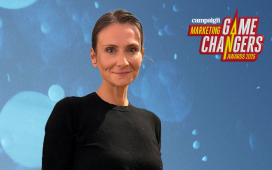
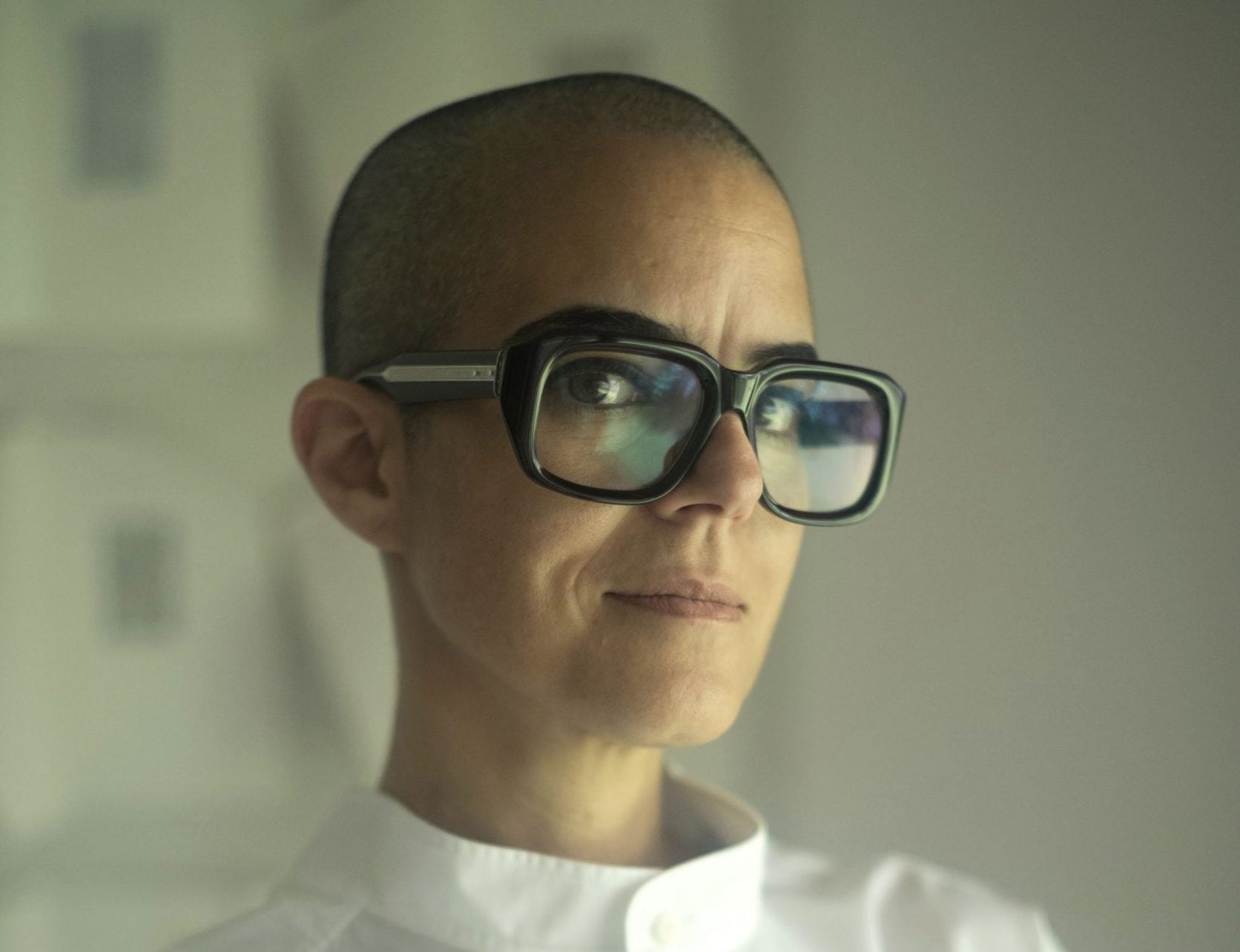
By Lara Assouad, Executive Creative Director, Landor