


There’s a quiet revolution happening in the way brands show up in cities – and it’s not on billboards or in pop-up shops. It’s happening through the hum of trains and the rhythm of daily commuters. Transit media, especially metro branding, is emerging as one of the most compelling tools for brands looking to connect with people where they are, as they move.
When we partnered with Dubai’s Roads and Transport Authority (RTA) to rename Jebel Ali Metro Station to National Paints Metro Station, we weren’t just aiming for visibility. We saw an opportunity to be part of something more meaningful: the movement of people, the flow of life, and the story of a city that’s always on the move. In a city like Dubai, where infrastructure reflects vision and ambition, aligning your brand with the metro system is about becoming part of a shared experience, not just a media plan.
Redefining urban engagement
Branding a metro station offers more than impressions; it offers immersion. Every day, tens of thousands of commuters, including families, workers and entrepreneurs, pass through Dubai’s metro network. And every day, they interact with brands in ways that are subtle but consistent. Unlike traditional advertising that competes for attention, metro branding lives inside the daily routine. That consistency builds not only recognition but also familiarity and trust.
When a brand becomes part of someone’s daily journey – welcoming them as they start their day, accompanying them on their commute, and appearing at their destination – it stops being just an ad on a billboard. It becomes a reference point, a meeting spot and a destination. For brands seeking lasting impact, metro stations offer more than visibility – they offer the rare chance to become part of a city’s identity. This isn’t product placement; it’s place-making.
Movement meets meaning
The beautiful thing about metro branding is that it also allows a brand to move with the city, not just exist within it. And the benefit isn’t limited to those inside the train. Metro stations are prominently located along Sheikh Zayed Road and in other high-traffic areas in Dubai, offering street-level visibility to thousands of drivers commuting across Dubai each day.
This dual exposure gives brands the opportunity to engage with commuters both by rail and by road. The space surrounding the station also opens up creative opportunities for outdoor activations and branded communication that speak directly to passing traffic, reinforcing awareness without adding clutter.
For us at National Paints, this partnership with the RTA was about more than exposure – it was about purpose. As a coatings manufacturer, enhancing and protecting the spaces where people live, work, and connect is central to our mission at National Paints. By contributing to a more connected and people-centric city, we see ourselves as active participants in the country’s progress.
What excites me the most about Metro branding is its ability to humanise the brand experience. It shows up consistently, without disruption, until it becomes part of the landscape and the conversation. It allows a brand to exist not just in the public space but in the public consciousness.
As more cities across the Middle East invest in smart mobility and public transport, I believe metro branding will become a vital platform for meaningful brand engagement. It’s not just about being seen. It’s about being remembered in the flow of a commuter’s day, in the name of a destination and in the stories people share.
Because at its best, good marketing doesn’t just move products. It moves people.
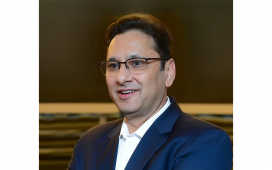
By Samar Sayegh, Head of Marketing, National Paints.