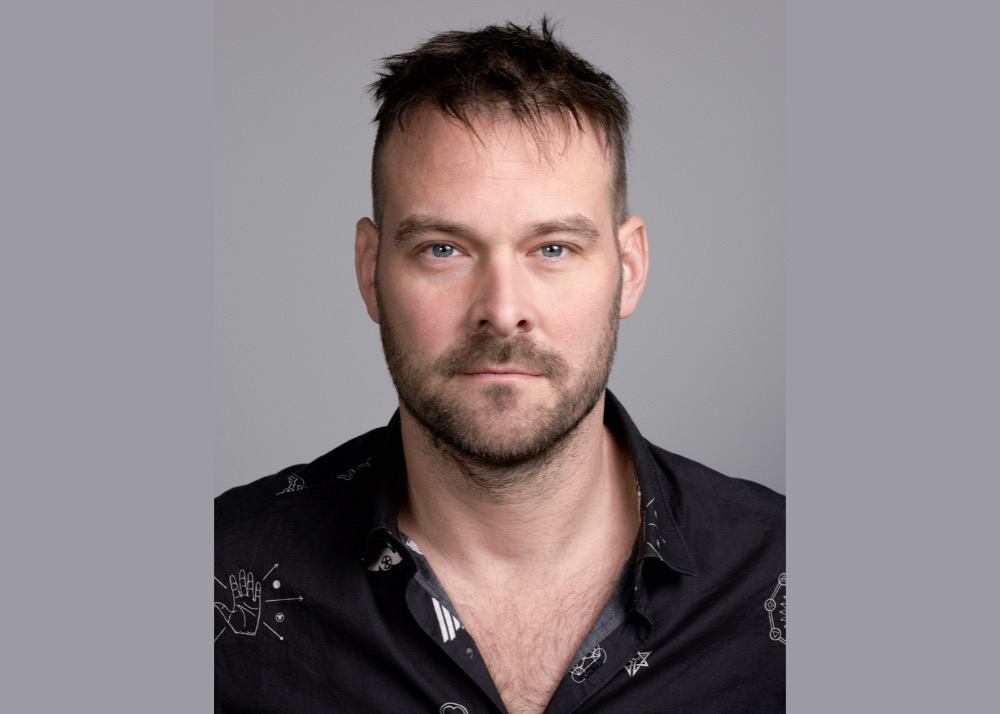
 Dominic Audet, Co-Founder and Chief of Innovation, Moment Factory.
For years, brands and urban destinations have obsessed over visibility, reach, and footfall. However, the attention economy has shifted the discourse on the value of these metrics. The infinite content, game mechanics and ubiquitous screens of the digital age have fundamentally reshaped how we experience and interact with each other.
Destinations do not compete on impressions and clicks, or the behavioural constraints of attention. They aim to generate persistent and cumulative relationships with people – real-world conditions for emotional connection and cultivating a sense of belonging.
Forging connections bring visitors back
After 25 years of Moment Factory designing large-scale public and cultural experiences around the world, we’ve seen a fundamental shift take place. The places people return to, and talk about, are no longer the loudest or most visible. They are the ones that create shared moments, spark emotion, and guarantee to leave a lasting memory.
Attention may get people through the door, but forging connections through authentic shared experience is what makes destinations stand out, making people stay longer and return again. This shift is why some of the world’s most digitally native companies, like Netflix, are now investing heavily in physical, real-world experiences to extend their impact.
Touring was once a promotional tool designed to sell albums; today, streaming fuels live performances. The value shifted from the product to the moment. Cities and brands are now facing the same reality. Being seen is no longer enough. Places need to be lived.
Design principles that integrate emotion
Urban developers and master planners are increasingly recognising this change. Around the world, we’re moving away from single-purpose destinations toward living models where different generations, interests, and activities coexist.
Entertainment and culture are not decorative layers considered at the end of a project, they’ve become anchors. Mixed-use development is creating innovative hybrids, with emotional gravity becoming the driving purpose of destinations that succeed in bringing people together.
Happiness, belonging, and community are no longer abstract outcomes; they are central design principles shaping how places are imagined and built.
At the same time, cities have been reclaiming their public spaces for years, and this continues to redefine modern urban design today. Plazas, gathering places, and shared environments, once pushed aside in favour of circulation and efficiency, are returning to their original role. In a world where everyone can be visible, the true differentiator is how deeply you make people feel connected. Experience design is no longer a layer added at the end of strategy. It is the strategy.
How to craft memorable experiences
People forge memories through shared collective moments. Human connection always comes first. Craft narratives rooted in place, purpose, and audience, using creative and multimedia tools to transform spectators into participants. When people don’t just coexist in a space but actively engage with one another, the emotional impact becomes deeper and more enduring.
The strongest experiences forge bonds: between people, between people and place, and between memory and emotion. Immersion plays a central role in this process. It allows people to connect directly and emotionally with their surroundings, creating a sense of place that goes beyond passive engagement.
Sound and music, in particular, are essential. With our roots in the music world, we know they create the heartbeat of an experience, synchronising emotions and generating collective energy and resonance that transcends language.
Technology, when used well, quietly supports the goal of immersion. We use technology to enhance and modulate reality, not replace it. Technology is a tool, never the objective. The most powerful technologies are often the least visible, seamlessly integrated into their environments. In fact, an analog experience can be just as impactful as a high-tech one. Storytelling, scenography, and sensory design are just as vital as digital systems. Technology works best when it deepens immersion without demanding attention.
The future of entertainment and travel
Looking ahead, cities will increasingly be judged not just by their infrastructure, but by how they make people feel. Belonging, inclusion, and emotional resonance will become key indicators of success. Entertainment and play are powerful enablers of this, lowering barriers, encouraging interaction, and building bridges across cultures and generations to create thriving and active communities. Real-world, shared experiences carry the deepest impact; live experiences and the immediacy of engaging in real-time, whether through sport, play, or narrative worlds, build the social infrastructure and capital that leave an enduring impression.
As we move toward 2026, the mindset shift for brands, developers, and cultural institutions is clear. While the digital world has given us extraordinary tools, it has also reminded us how deeply we crave simplicity and real human connection. Music, dance, and shared rituals are timeless for a reason. The lesson echoed in the world’s ‘Blue Zones’ is simple: belonging sits at the heart of a fulfilling life.
The opportunity ahead is to create spaces that feel like sanctuaries, places where people can truly see one another again. The future of experience design isn’t about capturing attention. It’s about creating memories that stay with us, reminding us that we are part of something larger, together.
By Dominic Audet, Co-Founder and Chief of Innovation, Moment Factory.