We have spent the past two years drowning in AI discourse, predictions, panic, and promises. Beneath the noise, a more practical question keeps surfacing: where is this actually making the work better? Not faster or cheaper, but genuinely better.
At Oui, we have found the answer is clearest in categories where creativity has always been forced to operate without a finished product. Property development is one of them.
It is a sector that has long posed a challenge for creative agencies. You are asked to create desire for something that does not yet exist. There are no doors to walk through, no light to feel, no atmosphere to absorb. You are handed a render, a floorplan, and a dream to sell.
What is very real, however, are the expectations. You must make it feel premium. Considered. Inevitable.
For years, the industry dealt with this problem in predictable ways. Stock footage stitched together with renders. Calm voiceovers promising unmatched lifestyles, prime locations, long-term value. If budgets allowed, CGI would do the heavy lifting. The results were polished, but interchangeable. Drive past a row of property billboards on Sheikh Zayed Road and it was easy to confuse one development for another. Many projects delivered the same emotional outcome.
The issue was not a lack of information. Off-plan launches have always been rich in data. What was missing was feeling. Buyers are not simply purchasing square metres or layouts. They are buying a future version of themselves and the life they imagine unfolding there. That is the real product being sold, and stock footage has always struggled to carry that weight.
This is where the real shift in real estate advertising has occurred.
The shift has less to do with the arrival of new tools and more to do with how early-stage launches are now approached creatively. Instead of filling gaps with placeholders, atmosphere and imagery can be developed much earlier.
At Oui, we have seen this play out clearly in our own work. With BEYOND’s PASSO, the brief was an ambitious one, to not just launch a building but to establish a rhythm and a way of living from day one. One that emphasised movement, calmness, and progression. Those ideas guided everything, from identity through to campaign visuals. Developing that world early meant the launch did not feel interim or speculative. It felt intentional.
The same thinking has shaped our work beyond property. With Vandrel, a new high-end jewellery brand, there were no finished pieces to photograph. The brand existed only as sketches, drawings, and an idea that sat somewhere between art and jewellery. Rather than waiting for production to catch up, AI was used to bring those early concepts to life, creating all the imagery for the brand’s first content calendar. This allowed the brand world to exist before the objects themselves, clearly expressing Vandrel’s core idea of jewellery as art rather than ornament.
What is happening here extends far beyond real estate.
The same challenge exists in fashion before samples are ready, in hospitality before doors open, in automotive before test drives, and in tech before products land. In every category, belief is formed before proof. The brands that succeed are the ones that understand this and design for it deliberately.
When used properly, new creative systems do not exist to make the work cheaper or faster for their own sake. They sharpen it. They remove the bottleneck between “we don’t have enough to show” and “this already feels real”.
For developers, the implications are significant. Emerging brands now have access to tools that allow them to create distinctive ideas early. Established players can evolve without repeating the same luxury formulas that have defined the category for years.
When the product cannot yet carry the story, the responsibility shifts entirely to the work. There is no reality to borrow credibility from. That is the moment when creativity either steps up or becomes mere window dressing.
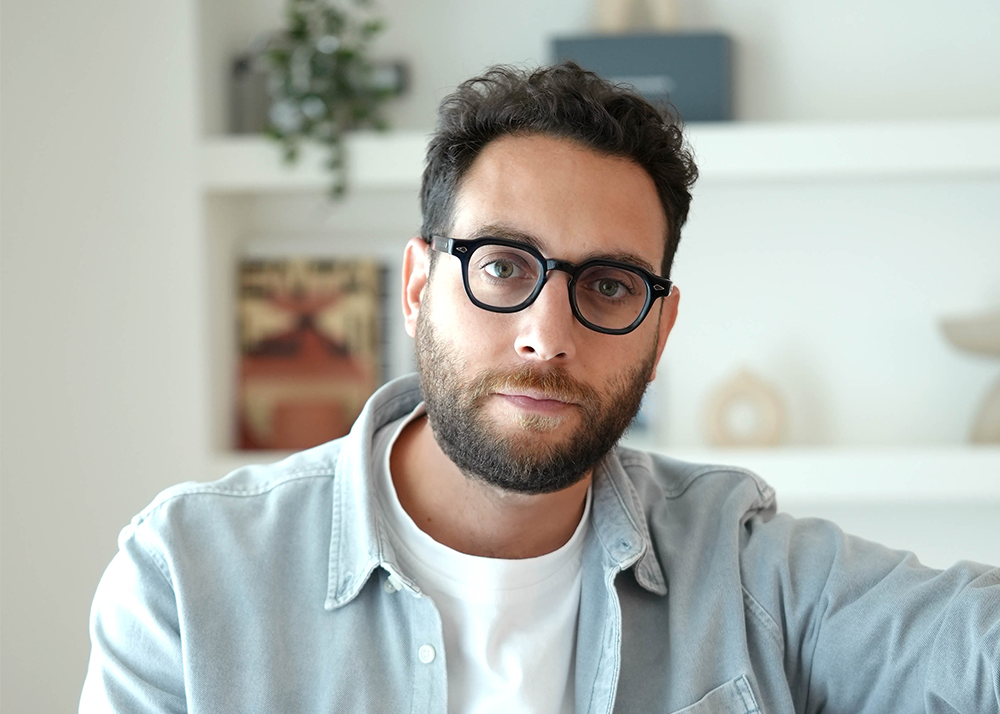
By Remy Abouchakra, Founder & CEO, Oui Agency.