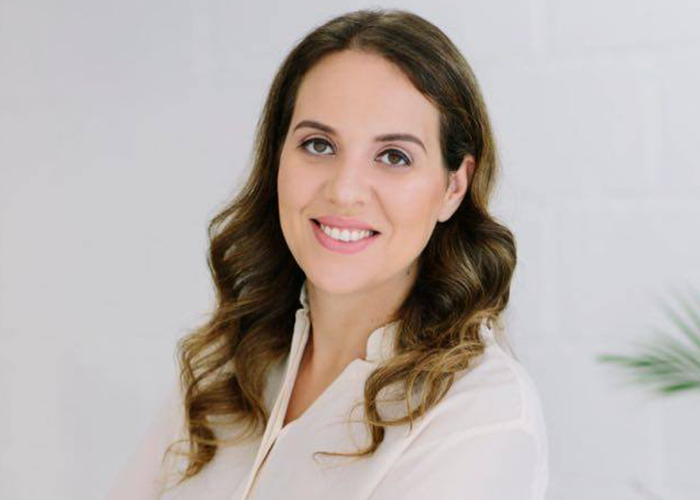
 Ana Elisa Seixas, Head of Marketing at New Balance Middle East, Africa and India.
For decades, marketing was built around reach. It’s been about the biggest billboard, the loudest TV spot and the most visible logo. The logic was simple: if enough people saw you, enough people would buy from you.
Today, that equation is changing, especially across the MENA region. The shift is not just from offline to digital or from traditional to social. It is a shift from broadcast to belonging, from interruption to participation and, more importantly, from attention to trust. Increasingly, trust lives inside communities.
Consumers are navigating more messages than ever before. Between social feeds, streaming platforms, retail media and creator content, audiences are constantly filtering what deserves their attention. What I am seeing today is not necessarily fatigue with marketing itself but fatigue with messaging that feels disconnected from real life. In that environment, authenticity is no longer a nice-to-have but an entry point.
Not surprisingly, globally, around 92 per cent of consumers trust recommendations from friends and family over paid advertising and nearly three quarters say word of mouth directly influences their purchasing decisions. At the same time, social proof is becoming a dominant decision driver. More than 90 per cent of consumers say reviews influence purchases and user generated content is often trusted more than brand-created messaging.
But it’s not just about numbers; it’s really all about behaviour. When someone recommends a coffee spot after a morning run or suggests a running shoe after a run club training session, it carries emotional credibility. It happens inside a context where trust already exists. Marketing becomes part of a conversation rather than an interruption to one. Most importantly, it comes about from experience – from someone who has tried the shoes and has experienced them in real life.
“When done right, community is not a channel you ‘use’. It is an ecosystem we as marketers can help nurture and develop further.”
Across MENA, this shift is also amplified by cultural nuance. Being one of the most diverse regions in the world with layered identities, languages and traditions it is easy to spot that mass messaging rarely lands with equal relevance across markets or even individuals. Communities, on the other hand, naturally localise. They adapt to cultural rhythms whether that is sunset runs during Ramadan, neighbourhood fitness meetups or run clubs after school drops, or even creative collectives that reflect the personality of a city. What is changing now is how brands participate in those spaces.
For a long time, the dominant playbook was takeover marketing with branded environments, heavy logo presence and high visibility at any cost. You literally paid your way into it. However, what is emerging instead is something much more collaborative and a true testament of the power of ‘collaborations’ instead of ‘takeovers’.
Spaces where branding is present but not overwhelming and where the experience leads and the logo just follows. Spaces that are designed together and that honour the space and the community that has been built around it.
Can I claim to have labelled this type of shift first and call it ‘quiet branding’? The truth is that, in many ways, it mirrors the rise of quiet luxury. It is less about visible status markers and more about symbiotic relationships, credibility and intention. In a way, we can also connect it to craftmanship. So, the brand is still there but it does not need to announce itself loudly because its value is understood through experience and relatability.
This also aligns with how creators and influencers are evolving in the region. Authentic storytelling from smaller, community-rooted creators is often more trusted than large-scale endorsement campaigns because it feels closer to real life.
And even macro influencers and content creators are becoming more selective about partnerships, with more than 60 per cent saying they increasingly speak about causes and values they genuinely care about.
As a result, it is especially interesting to watch how the line between owned and earned media is starting to blur. Community members are naturally becoming storytellers, sharing experiences, creating content and shaping brand perception without being formally asked to. When done right, community is not a channel you ‘use’. It is an ecosystem we as marketers can help nurture and develop further.
One would then wonder: what’s the difference between a follower and a community member? It’s obviously becoming harder to tell the difference, but consistency is probably the key word. People need to see that influencers show up regularly, that they listen and that their audience’s feedback shapes what they do next.
This is also where creativity is evolving. The most powerful ideas are no longer the ones that dominate space but the ones that integrate into it. We are seeing brands succeed when they become part of culture rather than trying to sit above it. Whether through sport, art, music or local creative scenes, relevance now comes
from participation.
There is also a broader trust context shaping this shift. In an era of artificial intelligence (AI)-generated content and information overload, people are increasingly questioning what is real. That makes human recommendation and real-world experience even more valuable. Community here becomes a trust filter.
What is clear is this: currently success might not belong to whoever shouts the loudest. It is becoming skewed towards brands and individuals who show up with consistency, creativity and genuine respect for the spaces people care about. As in the end, community is not built through campaigns but through presence.
So, is this permanent? Like most evolutions, it is too early to tell, but I would love to have it stick around.
By Ana Elisa Seixas, Head of Marketing at New Balance Middle East, Africa and India.