I still remember sitting in a boardroom in Jeddah two years ago, watching a colleague marketing director present a campaign that had taken his team six weeks to concept. Today, that same team generates fifty variations of creative in six minutes. The room celebrates the speed. I wonder what we’ve lost along the way.
Across the GCC, we are witnessing an unprecedented transformation. AI has infiltrated every corner of our marketing operations – from media buying that optimises in milliseconds to content engines that spin personalised copy at an impossible scale. The efficiency gains are undeniable. Campaign execution that once required inter-agency diplomacy now happens before your coffee cools. We have eliminated friction. We have industrialised creativity.
And yet. Something is troubling me, and I suspect it troubles my fellow C-suite leaders too – even if we don’t say it aloud. We are optimising ourselves toward irrelevance.
The GCC is not simply another region where global marketing playbooks get applied. We operate in a landscape defined by unique cultural textures, familial trust structures and audiences who can smell inauthenticity from across the Corniche.
Saudi Arabia’s Vision 2030 has unleashed a generation hungry for modern expression – but not at the expense of their identity. The UAE’s population mosaic demands nuance that demographic slides rarely capture. Qatari consumers carry centuries of storytelling tradition into their split-second digital scrolls.
Here is the uncomfortable truth the tech vendors won’t tell you: Artificial intelligence (AI) does not understand context. It understands patterns. It knows what travelled well in Sao Paulo last month and can remix it for Riyadh before breakfast. But it does not know why that worked. It does not carry the memory of how Gulf households gather, how word travels through majlises, how trust is earned here slowly and lost instantly.
I am not advocating for Luddism. Petromin Corporation embraces automation where it serves our objectives. But I have watched too many brands mistake computational output for strategic thinking. They chase engagement metrics that measure thumbs, not hearts. They personalise content to the individual while depersonalising the brand. They achieve remarkable efficiency in delivering messages nobody particularly wanted to receive.
The danger is acute for GCC marketers because we operate in a compressed timeline. Markets here mature faster than talent does. Tools arrive before wisdom. A junior brand manager armed with generative AI can produce what looks like senior-level creative direction – until you scratch the surface and find it holds nothing of the brand’s actual character.
So where does this leave us?
I propose we stop asking what AI can do and start asking what it should do. Efficiency is not a strategy. It is a hygiene factor. The brands that will win the next decade in this region are those that recognise automation as the commodity it has become, and reinvest their saved resources into the one thing machines cannot replicate: genuine human understanding.
This requires a different kind of investment. Not in larger cloud instances or additional software seats. In time. In proximity. In the messy, inefficient work of sitting with customers and actually listening. In hiring creative directors who understand Gulf dialects, not just global aesthetics. In building proprietary insight that cannot be scraped from the public web because it exists nowhere except in the lived experience of
your teams.
The C-suite audience I am addressing understands quarterly reporting. We know the pressure to demonstrate immediate returns. But the greatest threat to our competitiveness is not that we move too slowly. It is that we move so fast toward homogenised efficiency that we become indistinguishable from every other brand running the same algorithms against the same datasets.
AI can tell you what your customer purchased last Tuesday. It cannot tell you who they aspire to become on a Thursday evening, or how your brand fits into the story they tell about themselves at family gatherings. That knowledge still lives in human beings. We are not hiring enough of them, and we are not listening closely enough to the ones we have.
I am not arguing for abandoning technology. I am arguing for remembering what technology is meant to serve. The GCC’s marketing community has an opportunity to demonstrate something the global industry desperately needs: a model where algorithmic power enables human insight rather than replacing it. Where efficiency creates space for emotion. Where automation handles the volume, and people protect the soul.
This is not nostalgic romanticism. It is competitive pragmatism. When every brand can execute flawlessly, execution ceases to be a differentiator. The only remaining advantage is what you believe, what you stand for, and whether anyone believes you mean it.
Our algorithms will never believe anything. That remains entirely up to us.
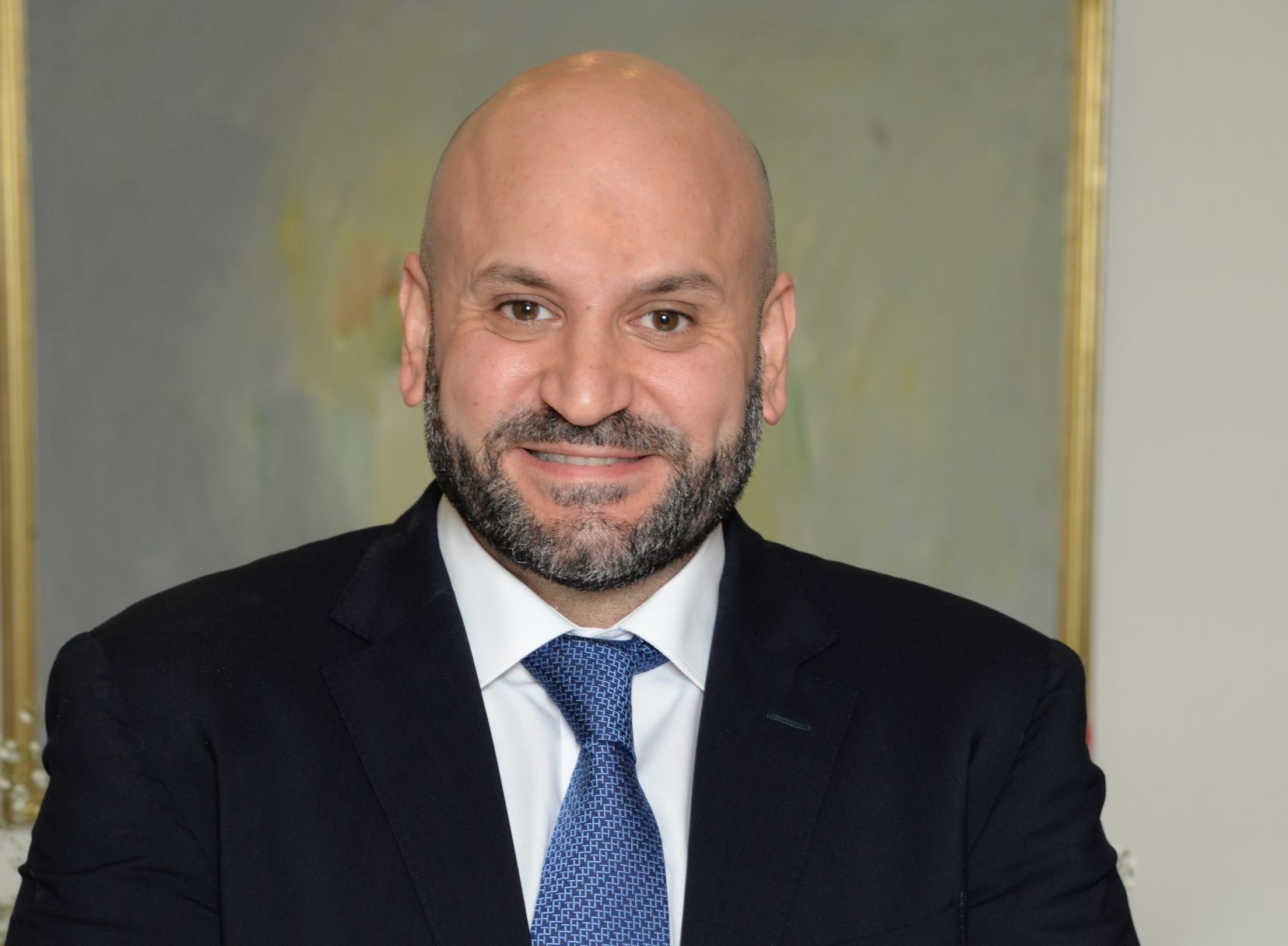
By Hussein M. Dajani, Group Chief Marketing and Customer Centricity Officer, Petromin