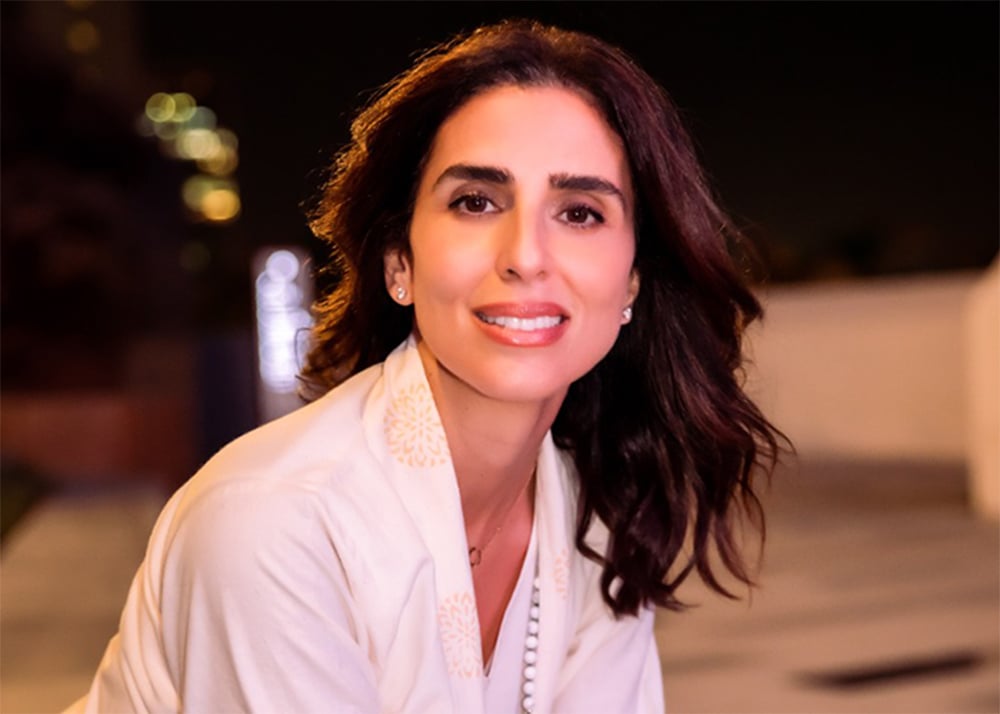
 Nancy Zabaneh, a wellness educator working with industry leaders in the Middle East.
I have lost count of the number of times I’ve sat across executives in this bustling industry and seen the same look in their eyes. It isn’t just fatigue from late nights and tight deadlines. It’s harder and more difficult to name. The sharp presentations, global campaigns, and investor pitches hide an uncomfortable truth: burnout has become the unspoken cost of doing business.
What is striking isn’t just how widespread it is, but how rarely it’s acknowledged.
Leaders are often silent when it comes to their own exhaustion. Often brushed off as a temporary phase, a weakness, or worse, something that “others” deal with. But left unchecked, it’s corrosive. It undermines productivity, suffocates creativity, and quietly drives talent out the door.
The unspoken burnout crisis
The numbers are stark. Gallup’s 2023 report showed that 44 per cent of workers globally feel stressed most of the day.
In the Arab world, the picture is even more concerning. A 2022 pan-GCC McKinsey study of nearly 4,000 employees found that 66 per cent reported mental health challenges such as anxiety, burnout, and distress.
The same research showed that employees exposed to toxic workplace behaviours were seven times more likely to display burnout symptoms.
Regionally, 36 per cent of employees expressed an intent to leave their jobs, more than double the global average of around 16 per cent (People Matters).
Similarly, a PwC survey found that almost half of Middle East employees were considering quitting within two years, citing stress and poor wellbeing as the main reasons.
Behind those figures are human stories of visionary and ambitious leaders running on empty.
I’ve worked in wellbeing for over 20 years. One thing I’ve seen is how the “silent” culture debilitates. In the GCC, success often means showing strength, working nonstop, and never slowing down. Saying you’re tired can be seen as weakness.
The problem? Leaders keep pushing teams harder, thinking burnout is just ‘normal’. But the creativity they depend on slowly fades.
One of my clients is the CEO of two listed companies. In the months leading up to his IPO, he was under relentless pressure; endless meetings with investors, sleepless nights reviewing financial models, and constant scrutiny from stakeholders.
He told me he was “living on adrenaline alone”. Just a few weeks before the launch, he experienced a nervous breakdown and realised it was time to stop. He wasn’t sleeping, was working all the time, and carrying exorbitant levels of stress.
That moment became a turning point, not only for his own wellbeing, but also in how he began to reconsider leadership, sustainability, and the kind of culture he wanted to build within his organisation.
Innovation at risk
The region is home to some of the world’s most ambitious projects, campaigns, and enterprises. But creativity and innovation do not emerge from depleted energy.
When high ambition and relentless pace meet silence around exhaustion, the result is what I call the ‘burnout equation’.
In other words, high ambition with relentless pace and silence equals declining creativity and retention.
I’ve spoken with executives who admit their most talented colleagues are not struggling with ideas, but with energy. They can deliver results, but at a personal cost that eventually pushes them to leave.
In a region where attracting and retaining talent is central to long-term growth, this equation is not just a human issue. It’s a strategic one.
Why leaders don’t talk about burnout
So why the silence? Part of it is image. Leaders in the GCC often feel they must embody strength, never vulnerability. To admit burnout is to risk credibility.
Another part is misconception. Wellbeing is still viewed by some as a “soft” issue, unrelated to bottom lines. But the evidence suggests otherwise.
McKinsey research has shown that employee burnout directly translates into reduced productivity, increased absenteeism, and higher turnover.
Conversely, organisations that prioritise wellbeing see measurable improvements in engagement, innovation, and profitability.
The irony is clear: by ignoring burnout, leaders are not saving face. They’re undermining the very creativity that sustains their industries.
What leaders can do differently
Addressing burnout doesn’t mean lowering expectations or compromising excellence. It means creating the right conditions for innovation and creativity to thrive without being extinguished.
From my work across the region, I’ve seen several shifts make a difference:
- Rethinking success and KPIs: It’s not just about how much you get done. It’s also about keeping your energy up and making sure the team feels okay.
- Talking about stress: When leaders admit they feel stressed too, it makes it easier for everyone else to speak up instead of hiding it.
- Better rules at work: Things like flexible hours, breaks to recharge, and support for mental health aren’t “extras.” They actually help people do their jobs better.
- Showing balance: When bosses take breaks, set limits, or rest when needed, they show that taking care of yourself is smart, not weak.
Another regional CEO I worked with made wellbeing a formal leadership KPI. Under her watch, retention improved, morale strengthened, and the organisation’s creative output became more vibrant and innovative.
Yet even with these successes, the personal cost of leadership eventually took its toll. After years of steering major initiatives in the Gulf, she chose to leave and begin a new chapter by the Mediterranean, seeking a life of greater balance, health, and quality of time. Her story underscores that even the most visionary leaders cannot sustain others if they are not sustained themselves.
Rewriting the equation
If there is one thing I have learned, it is this: innovation does not die from lack of ideas. It dies from lack of energy, lack of safety, and lack of care.
The courage leaders need today is not just the courage to innovate, but the courage to confront silence, their own and their team’s.
In those boardrooms where exhaustion lingers unspoken, there is another possibility waiting. Leaders and senior professionals can rewrite the equation: silence out, wellbeing in.
In doing so, they won’t just protect themselves and their people. They’ll unlock the creativity and resilience that will shape the region’s future.
By Nancy Zabaneh, a wellness educator working with industry leaders in the Middle East.