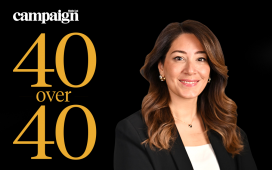
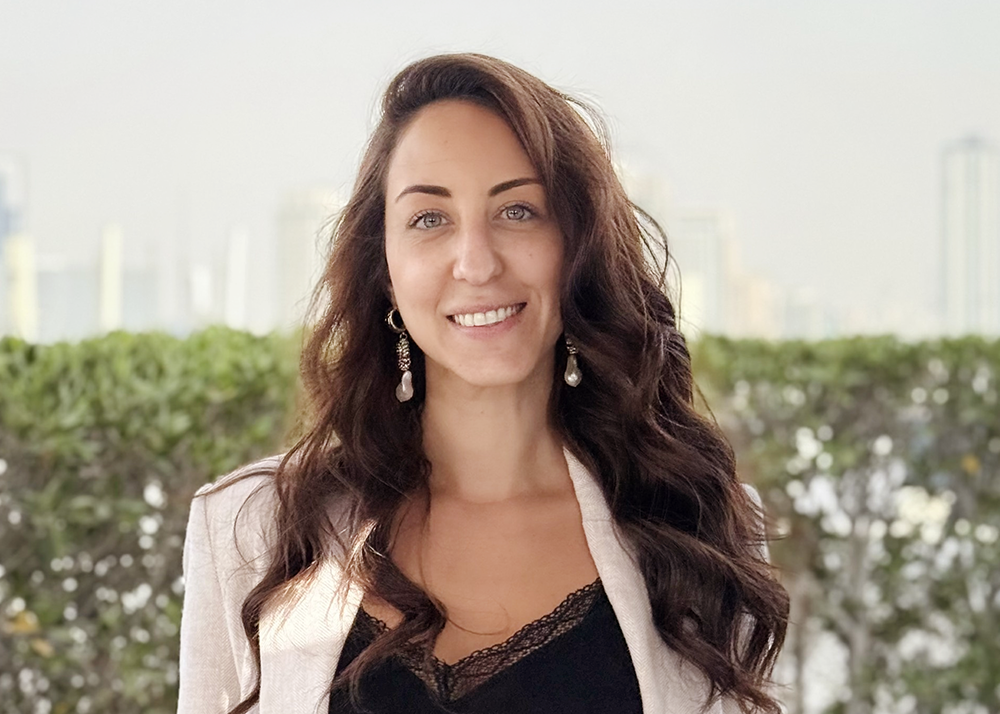
 Stephanie Medlege, Business Director, PHD MENA.
For years, the Middle East was viewed as the growth engine for the luxury marketing landscape. It was a region where global brands could expand quickly, invest in high-visibility retail spaces and rely on aspiration-driven marketing to build demand. That model made sense at the time.
But the market has evolved quickly, and consumer behaviour has changed even faster.
Today, the region is far more mature, sophisticated and influential than it is often given credit for. Consumers across the Middle East and North Africa (MENA) region are well travelled, digitally connected and deeply engaged with global fashion, beauty, hospitality and lifestyle trends.
They have access to the same brands, launches and cultural moments as consumers in Paris, London or New York – often in real time. Many also shop internationally, while travelling or through global e-commerce platforms, which means brands are no longer competing in a regional bubble.
And yet, marketing strategies have not always moved at the same pace.
Luxury communications in the region still prioritises visibility over relevance. Bigger retail footprints, broad awareness campaigns and polished storytelling still have a role to play, but they are no longer enough on their own.
Consumers are asking for something more thoughtful and, in many cases, more personal.
That shift is particularly visible in retail. For years, mega-malls were central to luxury growth in the region, and they remain commercially important. But consumers no longer need to visit a store simply to buy a product. They can do that online from almost anywhere in the world.
Physical spaces need to give people a reason to show up. That does not always mean bigger activations or louder events. In many cases, smaller and more carefully considered experiences are proving more effective. Private previews, cultural partnerships, intimate events and services tailored to local lifestyles often create far more value than large-scale retail theatre.
We are also seeing health and wellbeing become a bigger part of modern luxury, moving beyond traditional spa offerings into spaces centred on longevity and intentional living. The biggest opportunity for brands lies in creating something original for this market, rather than replicating concepts that have already worked elsewhere.
We are already seeing this mindset work particularly well across hospitality and aviation. Etihad Airways and luxury hospitality brands across the region have set incredibly high standards for personalisation and service. Luxury retail brands are increasingly being measured against those experiences.
Discovery has also changed dramatically. Luxury brands were once able to carefully control how consumers discovered them through campaigns, editorial placements and traditional media channels. That journey now looks very different.
Consumers are discovering brands through creators, private communities, niche platforms and, increasingly, through AI-powered recommendations that shape what they see before a brand has a chance to speak for itself.
According to McKinsey & Company, more than 70 per cent of consumers expect personalised interactions. Many luxury brands have access to rich customer data, but few are fully using it to create more relevant experiences. That is where luxury marketing needs to become more practical. It is something we are seeing more often at PHD MENA as brands look for smarter ways to balance heritage with more personalised and culturally relevant engagement.
Client relationship-building should not begin when someone walks into a store. It should start much earlier. If a customer regularly engages with travel, wellness, fashion or art experiences, brands should be thinking about how that informs invitations, partnerships, content and service models that capture demand and deliver business results. Personalisation should feel thoughtful and discreet, not transactional.
Another shift many brands are underestimating is the rise of regional competitors. Across the MENA region, homegrown luxury brands are building real momentum because they understand cultural nuance instinctively. They know how to create products and experiences that feel rooted in the region while still appealing to global audiences.
That does not threaten global luxury brands, but it does raise expectations. Consumers now expect brands to understand local culture in a far more meaningful way. Surface-level localisation is becoming easier to spot and easier to ignore.
The biggest opportunity for luxury brands in the Middle East is not simply to sell more products, but to use this market as a testing ground for what modern luxury looks like next. That means rethinking the role of retail, using data more intelligently and building cultural relevance in a way that feels authentic to the region.
Luxury has always been defined by heritage and craftsmanship, and that remains important. What is changing is how those qualities are brought to life. In the Middle East, consumers are asking brands to be more present, more intuitive and far more culturally aware. Brands also need to recognise the new communities forming across art, wellness, design and hospitality as global audiences increasingly converge in the region.
The brands that respond well will not dilute what makes them iconic. They will make their heritage feel more relevant to how modern luxury is experienced today.
By Stephanie Medlege, Business Director, PHD MENA.